- MALIK SUPER SPECIALITY HOSPITAL HANSI
- info@maliksuperspecialityhospital.com

Protein in Urine: What Does It Mean for Your Health?

High Blood Pressure and Kidney Health: Risks, Signs & Prevention
August 5, 2026
OVARIAN CYSTS: Symptoms, Causes, Types, Diagnosis and Treatment
August 19, 2026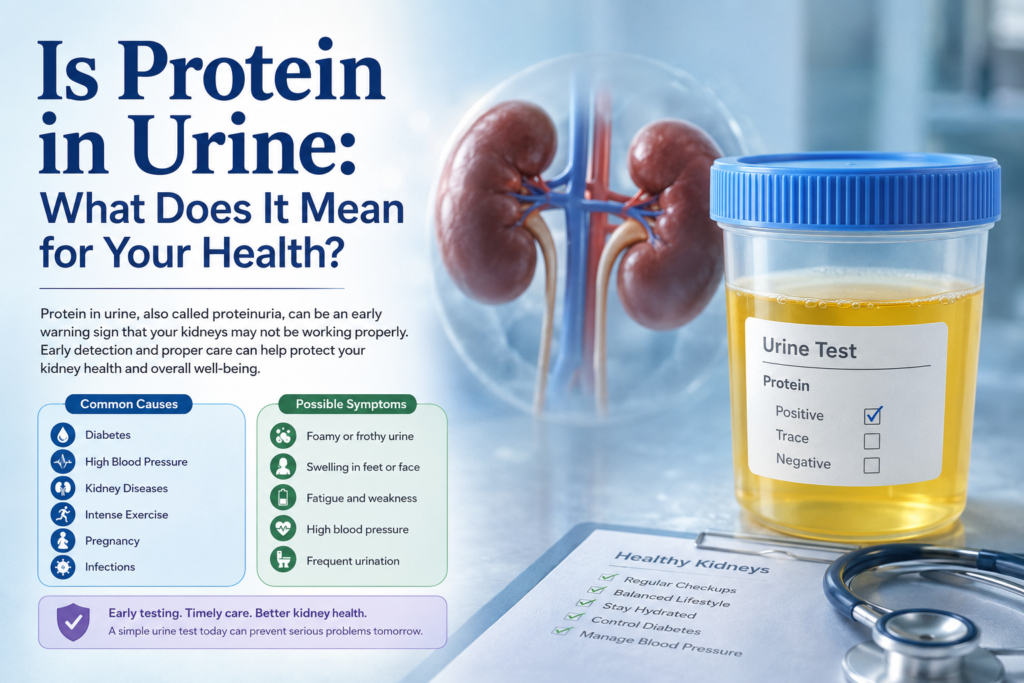
Protein in the urine, medically known as proteinuria, is a condition that should never be ignored. While small amounts of protein in urine can be normal after strenuous exercise or dehydration, persistent protein in the urine may indicate an underlying health problem, particularly involving the kidneys. Since the kidneys play a vital role in filtering waste while retaining essential nutrients like protein, the presence of excessive protein in urine often signals that the kidneys are not functioning properly. Seeking timely medical evaluation from the best urologist & urology care in hansi can help identify the underlying cause early and prevent further kidney complications.
READ MORE : High Blood Pressure and Kidney Health: Risks, Signs & Prevention
Understanding the causes, symptoms, diagnosis, and treatment of proteinuria can help you take timely action and protect your kidney health. At Malik Super Specialty Hospital Hansi, experienced healthcare professionals emphasize early diagnosis and proper treatment to prevent complications and maintain long-term kidney function.
What Is Protein in Urine?
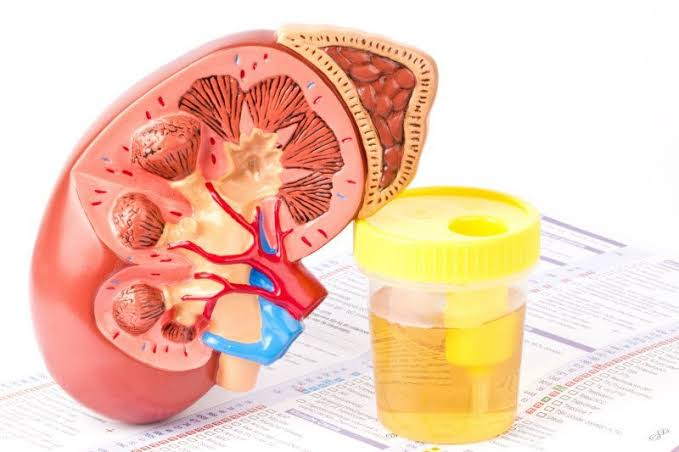
Protein is an essential nutrient that helps build muscles, repair tissues, support immunity, and maintain overall body function. Healthy kidneys filter waste products from the blood while preventing important substances such as proteins from passing into the urine.
When the kidneys’ filtering units (glomeruli) become damaged or stressed, proteins—especially albumin—can leak into the urine. This condition is called proteinuria.
A temporary increase in urine protein is not always serious. However, if protein continues to appear in urine over time, it may indicate chronic kidney disease or another medical condition that requires medical attention.
Common Causes of Protein in Urine
Proteinuria can occur for various reasons, ranging from temporary conditions to serious diseases.
1. Diabetes
High blood sugar levels can damage the tiny blood vessels in the kidneys, leading to diabetic kidney disease. This is one of the most common causes of persistent proteinuria.
2. High Blood Pressure
Uncontrolled hypertension places extra pressure on the kidneys, gradually weakening their filtering ability and allowing protein to leak into the urine.
3. Kidney Diseases
Conditions such as:
- Glomerulonephritis
- Chronic kidney disease (CKD)
- Nephrotic syndrome
- Polycystic kidney disease
can directly affect kidney function and cause proteinuria.
4. Dehydration
Severe dehydration temporarily reduces blood flow to the kidneys, sometimes resulting in increased protein levels in urine.
5. Fever or Infections
Certain infections, particularly urinary tract infections or systemic infections accompanied by high fever, may temporarily increase protein excretion.
6. Pregnancy
Some pregnant women develop proteinuria due to increased kidney workload. However, excessive protein in urine during pregnancy may indicate preeclampsia, a condition requiring immediate medical care.
7. Intense Physical Activity
Heavy exercise can temporarily increase urine protein levels, which usually return to normal after adequate rest.
Symptoms of Protein in Urine
In its early stages, proteinuria often causes no noticeable symptoms. It is frequently detected during routine urine tests.
As kidney damage progresses, symptoms may include:
- Swelling in the feet, ankles, or legs
- Puffiness around the eyes
- Foamy or frothy urine
- Fatigue and weakness
- Loss of appetite
- Frequent urination, especially at night
- Difficulty concentrating
- Muscle cramps
- Shortness of breath in advanced kidney disease
If these symptoms persist, medical evaluation should not be delayed.
Who Is at Higher Risk?
Certain individuals have a greater likelihood of developing proteinuria, including:
- People with diabetes
- Individuals with high blood pressure
- Adults over the age of 60
- People with obesity
- Those with a family history of kidney disease
- Individuals with autoimmune disorders
- Patients suffering from chronic kidney disease
Regular kidney screening is recommended for people in these high-risk groups.
How Is Protein in Urine Diagnosed?
Doctors use several tests to determine whether proteinuria is temporary or persistent.
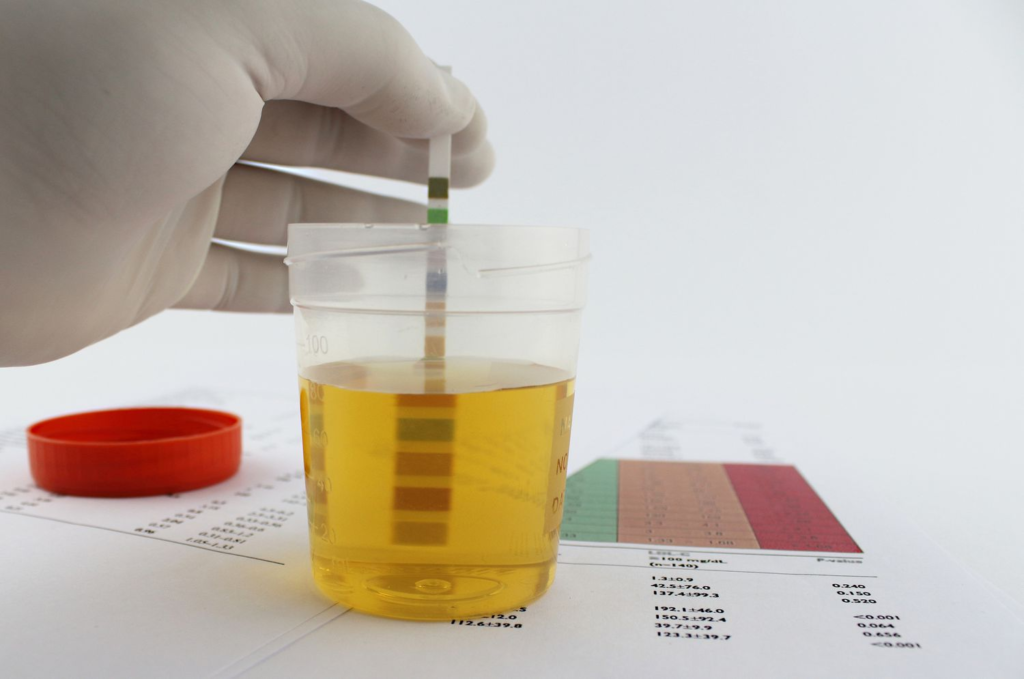
Urine Dipstick Test
A quick screening test that detects protein levels in urine.
Urine Albumin-to-Creatinine Ratio (ACR)
This test measures the amount of albumin in relation to creatinine, helping identify early kidney damage.
24-Hour Urine Protein Test
This test measures the total protein excreted in urine over an entire day and provides a more accurate assessment.
Blood Tests
Blood tests evaluate kidney function by measuring:
- Creatinine
- Blood urea nitrogen (BUN)
- Estimated glomerular filtration rate (eGFR)
Imaging Tests
Ultrasound or CT scans may be recommended to identify structural abnormalities in the kidneys.
Kidney Biopsy
In selected cases, doctors may perform a biopsy to determine the exact cause of kidney damage.
Treatment for Protein in Urine
Treatment depends entirely on the underlying cause.
Managing Diabetes
Good blood sugar control significantly reduces the risk of kidney damage.
Controlling Blood Pressure
Medications such as ACE inhibitors or ARBs help lower blood pressure while reducing protein leakage from the kidneys.
Treating Kidney Disease
Specific medications and lifestyle changes are recommended depending on the diagnosed kidney condition.
Lifestyle Improvements
Doctors often recommend:
- Limiting salt intake
- Maintaining a healthy weight
- Drinking adequate water
- Quitting smoking
- Reducing alcohol consumption
- Exercising regularly
- Eating a balanced diet rich in fruits and vegetables
Regular Monitoring
Patients with persistent proteinuria require periodic urine and blood tests to monitor kidney function and prevent disease progression.
Can Protein in Urine Be Prevented?
Although not every case is preventable, healthy habits greatly reduce the risk.
Helpful preventive measures include:
- Keep diabetes under control.
- Monitor blood pressure regularly.
- Eat a kidney-friendly balanced diet.
- Stay physically active.
- Maintain a healthy body weight.
- Drink enough fluids.
- Avoid excessive use of painkillers without medical advice.
- Undergo regular health checkups if you have risk factors.
Early intervention often prevents mild kidney damage from becoming severe.
When Should You See a Doctor?
Medical consultation is recommended if you experience:
- Persistent foamy urine
- Swelling in the hands, feet, or face
- High blood pressure
- Diabetes with abnormal urine reports
- Repeated positive urine protein tests
- Reduced urine output
- Fatigue accompanied by swelling
Ignoring proteinuria may allow kidney disease to progress silently over time.
Healthcare specialists at Malik Super Specialty Hospital Hansi recommend routine kidney screening for individuals with diabetes, hypertension, or a family history of kidney disorders. Early diagnosis often leads to more effective treatment and better long-term outcomes.

Conclusion
Protein in urine is not a disease itself but an important warning sign that your kidneys may need medical attention. While temporary proteinuria may result from dehydration, exercise, or fever, persistent protein leakage often points to kidney disease, diabetes, high blood pressure, or other health conditions.
Fortunately, early diagnosis, proper treatment, and healthy lifestyle choices can significantly reduce the risk of permanent kidney damage. Regular urine testing, blood pressure monitoring, and blood sugar control play an essential role in protecting kidney health.
If you notice symptoms such as foamy urine, swelling, or have existing conditions like diabetes or hypertension, seeking timely medical advice is essential. Experienced specialists at Malik Super Specialty Hospital Hansi can evaluate the cause, recommend appropriate investigations, and provide personalized treatment to help maintain healthy kidney function for years to come. If your condition requires surgical evaluation, consulting a general surgeon doctor in hansi can ensure timely diagnosis and appropriate treatment when needed.