- MALIK SUPER SPECIALITY HOSPITAL HANSI
- info@maliksuperspecialityhospital.com

Karwa Chauth Fasting Tips: How to Stay Healthy and Energetic

Burning Urination: Common Causes, Symptoms and Treatment
October 13, 2026
First Trimester Pregnancy Care: Diet, Health and Safety Tips
October 22, 2026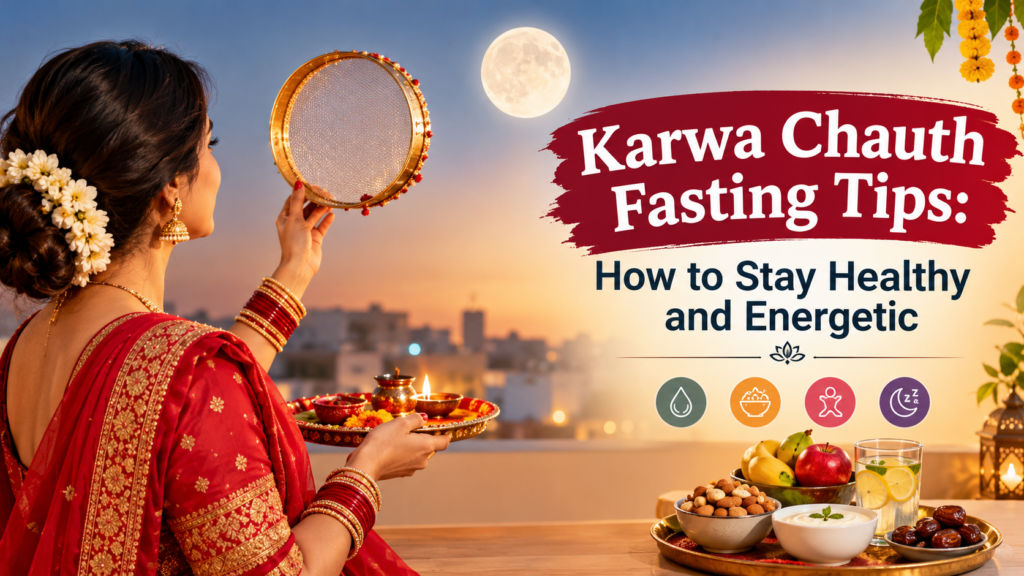
Karwa Chauth is a traditional festival celebrated by many married women, symbolising love, commitment, and togetherness. During this occasion, women traditionally observe a day-long fast, often without consuming food or water from sunrise until moonrise. While the festival holds deep cultural significance, prolonged fasting can sometimes lead to dehydration, weakness, headaches, dizziness, and fatigue. Following appropriate karwa chauth fasting tips can help women prepare their bodies and make informed decisions about their health. Malik Super Speciality Hospital, known for providing comprehensive women’s healthcare services with access to the best gynecologist in Hansi, encourages women to prioritise their well-being while celebrating important cultural traditions with their families and loved ones.
Maintaining energy during fasting requires thoughtful preparation, balanced nutrition, adequate hydration before the fasting period, and sufficient rest. Eating nutritious foods during Sargi, avoiding excessive physical activity, and understanding personal health limitations can make the experience more manageable. Women with diabetes, pregnancy-related concerns, or other medical conditions should consult their healthcare provider before attempting a prolonged fast, particularly one that restricts water.
Read More: PCOS and Pregnancy: Understanding Fertility and Treatment
Why Is Health Preparation Important Before Karwa Chauth?
Karwa Chauth fasting generally involves avoiding food and water for several hours. This prolonged restriction can affect hydration, blood sugar levels, concentration, and physical energy.
Preparing in advance allows individuals to make suitable dietary choices and understand potential health risks. Following healthy fasting tips can also help women avoid unnecessary physical strain.
However, fasting without water is not medically suitable for everyone. Women with diabetes, kidney disorders, low blood pressure, or other health conditions should seek professional advice before participating.
Pregnant and breastfeeding women should also discuss fasting with their healthcare provider because their nutritional and hydration requirements may be different.

1. Karwa Chauth Fasting Tips for Healthy Preparation
Preparing your body before sunrise is important for maintaining energy throughout the day. Following these karwa chauth fasting tips can help you make healthier choices before beginning the traditional fast.
Eat a Balanced Sargi Meal
Sargi is the traditional pre-dawn meal consumed before starting the fast. A balanced meal should include complex carbohydrates, protein, healthy fats, and fibre.
Suitable food options include:
- Whole wheat roti or oats for sustained energy.
- Curd, paneer, or milk for protein and calcium.
- Almonds, walnuts, and seeds for healthy fats.
- Fresh fruits for vitamins and dietary fibre.
- Vegetables for essential nutrients.
Avoid relying entirely on sweets, fried snacks, or refined carbohydrates, as they may contribute to fluctuating energy levels.
Hydrate Properly Before Sunrise
Drink sufficient water during the permitted eating period rather than consuming a large quantity immediately before sunrise.
Milk and water-rich fruits can contribute to overall fluid intake. However, drinking water beforehand cannot eliminate the risk of dehydration during a prolonged waterless fast.
Avoid Excessive Caffeine
Tea and coffee may be part of daily routines, but excessive caffeine can interfere with sleep and may contribute to headaches in susceptible individuals.
Women who regularly consume caffeine should consider gradually reducing their intake before the festival to minimise withdrawal-related discomfort.
2. Create a Balanced Karwa Chauth Diet Plan
A nutritious karwa chauth diet plan should focus on maintaining energy before fasting and restoring hydration and nutrients after moonrise.
Choosing foods that contain protein, fibre, vitamins, and complex carbohydrates is generally more beneficial than consuming only sugary or heavily processed items.
| Meal Stage | Recommended Foods |
| Pre-dawn Sargi | Whole wheat roti, paneer, curd, and fruits |
| Additional nutrition | Soaked almonds, walnuts, and seeds |
| Hydration before sunrise | Water and milk |
| Breaking the fast | Water and a small, easily digestible snack |
| Dinner after fasting | Dal, vegetables, roti, curd, and salad |
Individual dietary requirements may vary depending on age, activity level, medications, and existing medical conditions.
3. Karwa Chauth Fasting Tips to Maintain Energy Throughout the Day
Maintaining energy during a prolonged fast requires careful attention to physical activity and environmental conditions.
These karwa chauth fasting tips focus on reducing unnecessary physical strain and recognising early warning signs of dehydration or weakness.
Avoid Heavy Physical Activities
Strenuous exercise, prolonged standing, and physically demanding household activities can increase fatigue and fluid loss.
Try completing essential preparations in advance and distribute household responsibilities among family members.
Stay in a Comfortable Environment
Spending excessive time outdoors in hot weather can increase sweating and dehydration risk. Remain in a cool, well-ventilated environment whenever possible.
Take Short Rest Breaks
Adequate rest helps conserve energy. Avoid unnecessary exertion and take short breaks whenever you feel tired.
Monitor Your Health
Pay attention to symptoms such as persistent dizziness, severe weakness, confusion, fainting, or unusually reduced urination.
If concerning symptoms develop, stop fasting, seek appropriate medical care, and do not delay treatment to complete the ritual.
4. Common Mistakes Women Should Avoid While Fasting
Even with proper preparation, certain habits can make prolonged fasting more uncomfortable.
Common mistakes include:
- Skipping the pre-dawn meal.
- Eating excessive fried or sugary foods during Sargi.
- Ignoring signs of dehydration.
- Performing strenuous physical activities.
- Taking prescribed medicines without considering fasting-related instructions.
- Continuing the fast despite significant physical discomfort.
Following healthy fasting tips means understanding personal health limitations rather than ignoring symptoms.
Women taking regular medication should consult their doctor beforehand about whether fasting is appropriate and whether medication timing requires adjustment.
5. Who Should Consult a Doctor Before Karwa Chauth Fasting?
Although fasting is an important tradition, certain individuals may face increased medical risks.
Women with diabetes, kidney disease, recurrent dehydration, low blood pressure, or other chronic conditions should obtain medical guidance before observing a prolonged fast.
Pregnant and breastfeeding women require particular consideration because insufficient food and fluid intake may affect their well-being.
Women with a history of fainting, severe headaches, or fasting-related complications should also seek professional advice.
Understanding these precautions is an essential part of following responsible karwa chauth fasting tips while prioritising long-term health.

6. How to Break Your Karwa Chauth Fast Safely
After several hours without food or water, avoid immediately consuming a large, heavy meal.
Start by drinking water slowly. If tolerated, consume a small portion of fruit or another easily digestible food before proceeding to dinner.
A balanced evening meal may include vegetables, dal, whole grains, curd, and moderate portions of traditional festive dishes.
A suitable karwa chauth diet plan should also support gradual rehydration after fasting.
Avoid overeating, consuming excessive sweets, or eating large quantities of oily food immediately after moonrise, as these habits may cause digestive discomfort.
Conclusion
Celebrating Karwa Chauth while maintaining good health requires thoughtful preparation, balanced nutrition, adequate rest, and awareness of individual medical needs. Following practical karwa chauth fasting tips can support better preparation, but no dietary strategy can completely remove the health risks associated with prolonged waterless fasting.
Malik Super Speciality Hospital, recognised for providing comprehensive healthcare services as a Hanshi ortho and medical care hospital, encourages women to prioritise their health and seek professional medical guidance whenever necessary. Women with existing medical conditions, pregnancy-related concerns, or previous fasting complications should consult a qualified healthcare professional before participating. Making informed health decisions can help families celebrate their traditions while placing personal safety and well-being first.