- MALIK SUPER SPECIALITY HOSPITAL HANSI
- info@maliksuperspecialityhospital.com

High Blood Pressure and Kidney Health: Risks, Signs & Prevention

High Blood Pressure and Kidney Disease: Understanding the Connection
July 22, 2026
Protein in Urine: What Does It Mean for Your Health?
August 7, 2026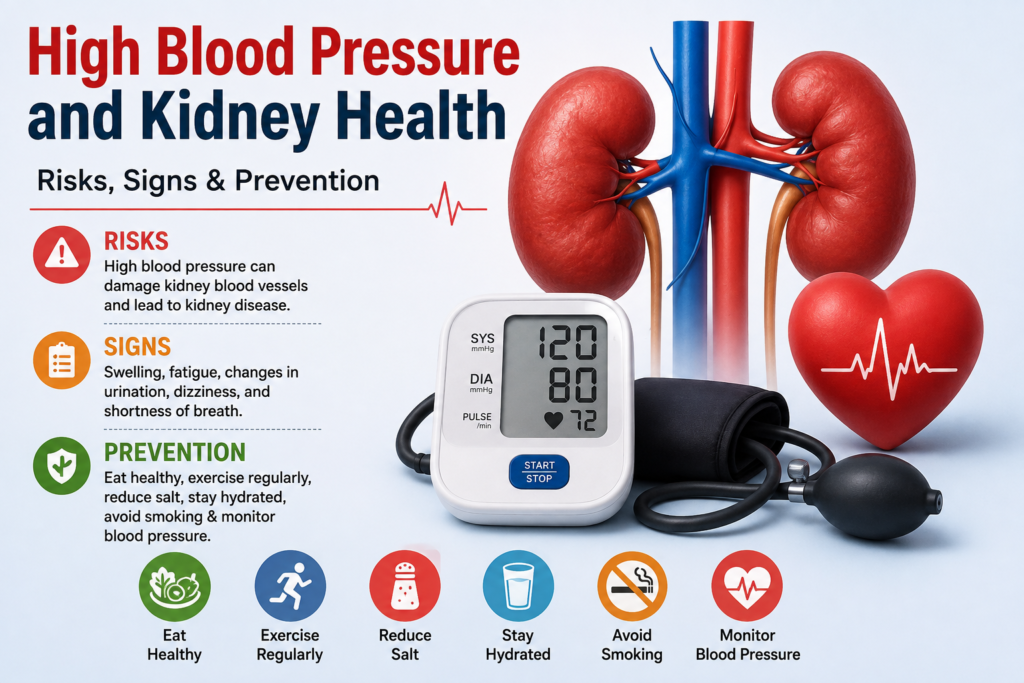
High blood pressure (hypertension) can silently damage your kidneys by affecting the tiny blood vessels that filter waste from the body. If left untreated, it may lead to chronic kidney disease and other serious health complications. Regular blood pressure checks, a healthy lifestyle, and timely treatment are essential for protecting both your heart and kidneys. For advanced critical care and emergency support, choosing the best ICU in hansi can make a significant difference in managing severe hypertension-related complications.

READ MORE : High Blood Pressure and Kidney Disease: Understanding the Connection
Understanding the connection between high blood pressure and kidney health is the first step toward preventing long-term complications. With timely diagnosis, healthy lifestyle choices, and proper medical care, many kidney-related problems can be avoided.
How High Blood Pressure Affects the Kidneys
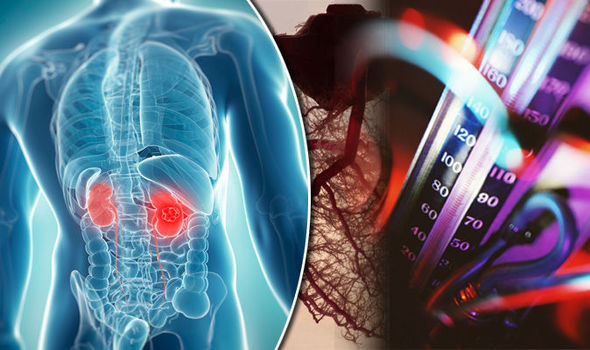
The kidneys contain millions of tiny filtering units called nephrons. These structures rely on healthy blood vessels to remove waste products and excess fluid from the body. High blood pressure causes these blood vessels to become narrow, weak, or damaged. As a result, the kidneys receive less blood, making it difficult for them to filter waste efficiently.
Over time, this damage may lead to chronic kidney disease (CKD), where the kidneys gradually lose their ability to function. If left untreated, kidney disease can progress to kidney failure, requiring dialysis or a kidney transplant.
The relationship between hypertension and kidney disease is two-way. While high blood pressure damages the kidneys, damaged kidneys can also raise blood pressure by disrupting the body’s fluid and hormone balance.
Who Is at Greater Risk?
Although anyone can develop hypertension, certain individuals are at a higher risk of kidney damage.
Common risk factors include:
- Long-standing high blood pressure
- Diabetes
- Obesity
- Smoking
- High-salt diet
- Lack of physical activity
- Family history of kidney disease
- Older age
- High cholesterol levels
People with more than one risk factor should have their blood pressure and kidney function checked regularly.
Warning Signs of Kidney Damage
One of the biggest challenges with kidney disease is that it often develops silently. Many people experience no symptoms during the early stages. As kidney function declines, several warning signs may appear.
Some common symptoms include:
- Swelling in the feet, ankles, or hands
- Frequent urination, especially at night
- Foamy or bloody urine
- Fatigue and weakness
- Poor appetite
- Difficulty concentrating
- Nausea or vomiting
- Persistent itching
- Shortness of breath
- High blood pressure that is difficult to control
These symptoms do not always indicate kidney disease, but they should never be ignored. Early evaluation can prevent further complications.
How Is Kidney Damage Diagnosed?
Doctors use several simple tests to evaluate kidney health. Blood tests measure creatinine levels and estimate the glomerular filtration rate (eGFR), which indicates how well the kidneys are filtering waste.
Urine tests help detect protein leakage, an early sign of kidney damage. Imaging studies such as ultrasound may also be recommended to examine kidney size and structure.
People with uncontrolled hypertension should undergo regular kidney function tests even if they do not have symptoms.
Complications of Untreated High Blood Pressure
Ignoring high blood pressure can affect multiple organs throughout the body. Besides kidney damage, uncontrolled hypertension increases the risk of:
- Heart attack
- Stroke
- Heart failure
- Vision loss
- Peripheral artery disease
- Cognitive decline
- Chronic kidney disease
- Kidney failure
Managing blood pressure early significantly reduces these risks and improves overall quality of life.
Prevention Tips for Healthy Kidneys
The good news is that many cases of kidney damage caused by hypertension are preventable. Small lifestyle changes can make a significant difference.
Monitor Your Blood Pressure
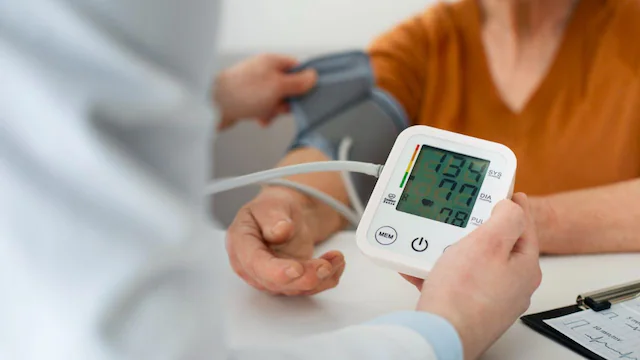
Regular blood pressure monitoring helps detect hypertension before complications develop. Adults should have routine blood pressure checks, especially if they have diabetes or a family history of hypertension.
Eat a Kidney-Friendly Diet
A balanced diet supports both heart and kidney health. Include:
- Fresh fruits and vegetables
- Whole grains
- Lean protein
- Low-fat dairy products
- Healthy fats
- Foods low in sodium
Reducing processed foods, packaged snacks, and excessive salt intake helps keep blood pressure under control.
Stay Physically Active
Exercise improves circulation, lowers blood pressure, and supports healthy kidney function. Aim for at least 30 minutes of moderate physical activity on most days of the week.
Maintain a Healthy Weight
Excess body weight places additional strain on the heart and kidneys. Losing even a small amount of weight can improve blood pressure and reduce kidney disease risk.
Drink Enough Water
Proper hydration supports kidney function by helping remove waste products from the body. Water requirements vary depending on age, climate, and medical conditions, so consult your healthcare provider if you have existing kidney disease.
Avoid Smoking and Excessive Alcohol
Smoking damages blood vessels and accelerates kidney disease progression. Excessive alcohol consumption may also contribute to uncontrolled hypertension. Quitting smoking and limiting alcohol intake provide long-term health benefits.
Take Medications as Prescribed
If your doctor prescribes blood pressure medication, take it consistently. Stopping medicines without medical advice can cause sudden increases in blood pressure, increasing the risk of kidney damage.
Importance of Regular Health Check-Ups
Routine health screenings allow doctors to detect problems before symptoms appear. People living with hypertension should undergo periodic kidney function tests, urine analysis, cholesterol testing, and blood sugar monitoring.
Early detection often allows treatment to begin before permanent kidney damage occurs.
For individuals seeking comprehensive care for hypertension and kidney-related concerns, Malik Super Specialty Hospital Hansi offers experienced healthcare professionals, advanced diagnostic facilities, and personalized treatment plans to help patients manage blood pressure effectively and protect long-term kidney health.
Managing High Blood Pressure Successfully
Successful blood pressure control requires long-term commitment. Lifestyle improvements combined with regular medical supervision provide the best outcomes.
Helpful habits include:
- Taking medications on time
- Following a low-sodium diet
- Managing stress through relaxation techniques
- Sleeping 7–8 hours each night
- Exercising regularly
- Monitoring blood pressure at home
- Keeping regular follow-up appointments
These simple practices reduce complications and improve overall well-being.
When Should You See a Doctor?
Seek medical attention if you experience persistent high blood pressure readings, swelling in your legs, blood in the urine, severe headaches, chest pain, or sudden changes in urination. Individuals with diabetes or a family history of kidney disease should not wait for symptoms before getting screened.
Timely diagnosis allows doctors to slow disease progression and preserve kidney function.
Healthcare providers at Malik Super Specialty Hospital Hansi emphasize preventive care, early diagnosis, and individualized treatment strategies to help patients maintain healthy blood pressure while protecting their kidneys from long-term complications.
Conclusion
High blood pressure and kidney health are closely connected. Uncontrolled hypertension can silently damage the kidneys over many years, often without noticeable symptoms. Fortunately, regular health check-ups, a balanced diet, physical activity, proper medication, and healthy lifestyle choices can greatly reduce the risk of kidney disease. If you experience complications or require surgical evaluation related to kidney or abdominal conditions, consulting an experienced general surgeon doctor in hansi can help ensure timely diagnosis and appropriate treatment.
Recognizing early warning signs and seeking medical care promptly are essential for preserving kidney function. By taking blood pressure seriously today, you can protect not only your kidneys but also your heart, brain, and overall health for years to come.