- MALIK SUPER SPECIALITY HOSPITAL HANSI
- info@maliksuperspecialityhospital.com

Burning Urination: Common Causes, Symptoms and Treatment

Protein in Urine: What It Means and When to Seek Care
October 8, 2026
Karwa Chauth Fasting Tips: How to Stay Healthy and Energetic
October 17, 2026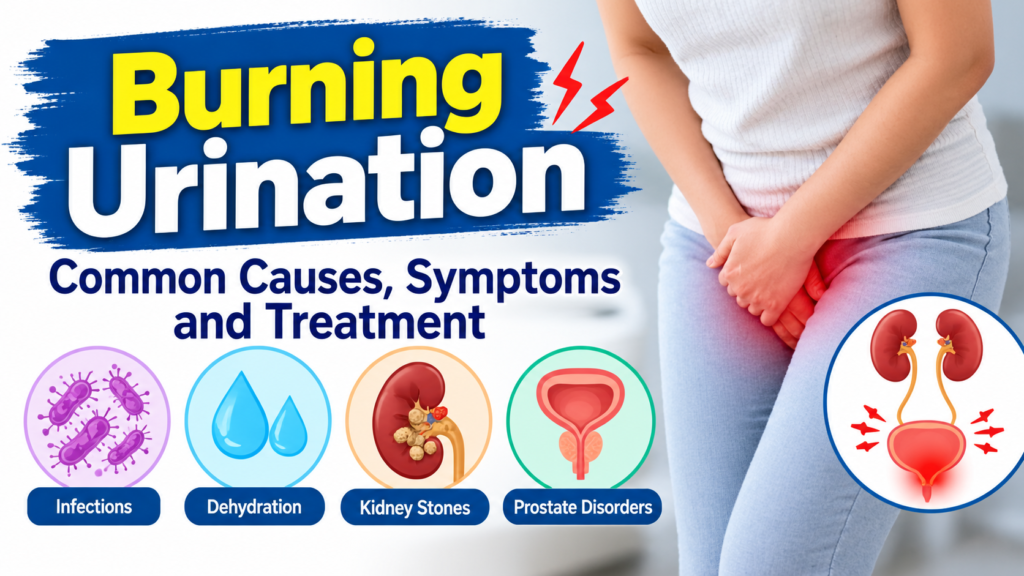
Experiencing pain, irritation, or a stinging sensation while passing urine can be uncomfortable and sometimes concerning. Medically known as dysuria, burning urination is a common symptom that can affect people of different ages. It may occur due to urinary tract infections, dehydration, inflammation, or certain underlying medical conditions. Although occasional discomfort may resolve with appropriate care, persistent symptoms should never be ignored. Malik Super Speciality Hospital provides comprehensive medical evaluation and personalised care for patients experiencing urinary problems. Consulting the best urologist doctor in Hansi can help identify the underlying condition and determine suitable treatment options.
The urinary system plays an essential role in removing waste products and maintaining the body’s fluid balance. When any part of this system becomes irritated or infected, individuals may experience discomfort during urination. Some people also notice frequent bathroom visits, lower abdominal pain, cloudy urine, or changes in urine colour. Understanding the possible reasons behind these symptoms can help individuals recognise warning signs and seek timely medical attention. Early diagnosis is particularly important because untreated urinary conditions may sometimes lead to complications affecting the bladder, kidneys, or other parts of the urinary system.
Read More: Protein in Urine: What It Means and When to Seek Care
What Is Burning Urination?
Burning urination refers to pain, stinging, or irritation experienced while passing urine. The discomfort may occur at the beginning, throughout, or towards the end of urination, depending on the underlying condition.
This symptom can affect both men and women, although urinary tract infections are more common in women because of anatomical differences.
The sensation may originate from inflammation involving the urethra, bladder, prostate, or surrounding tissues. Identifying the exact source of discomfort is essential for selecting appropriate medical care.
Common Causes of Burning Urination
Several medical and lifestyle-related factors can contribute to urinary discomfort. Understanding the causes of burning urination helps patients recognise potential triggers and determine when professional evaluation is necessary.
1. Urinary Tract Infection (UTI)
A urinary tract infection is among the most common reasons for painful urination. It develops when bacteria enter the urinary system and multiply.
Common symptoms include frequent urination, urgency, lower abdominal discomfort, and cloudy urine. Some patients may also notice an unusual urine odour.
2. Dehydration
Insufficient water intake can make urine more concentrated, potentially irritating the urinary tract. Dark yellow urine, reduced urine output, and increased thirst may indicate dehydration.
Maintaining adequate hydration supports normal urinary function.
3. Kidney or Bladder Stones
Mineral deposits can develop inside the kidneys or bladder. These stones may irritate urinary tissues or obstruct normal urine flow.
Symptoms can include painful urination, blood in the urine, and discomfort in the lower abdomen, back, or side.
4. Sexually Transmitted Infections
Certain sexually transmitted infections, including gonorrhoea and chlamydia, may cause inflammation of the urethra.
Associated symptoms can include unusual genital discharge, irritation, or discomfort during urination. Appropriate testing is necessary for diagnosis.
5. Prostate-Related Conditions
In men, prostate inflammation or infection may cause urinary discomfort, pelvic pain, frequent urination, or difficulty emptying the bladder.
These symptoms require medical assessment to identify the underlying prostate condition.
6. Chemical Irritation
Scented soaps, intimate hygiene products, and certain personal care products may irritate sensitive genital tissues.
Such irritation can sometimes produce a stinging sensation when urine comes into contact with the affected area.
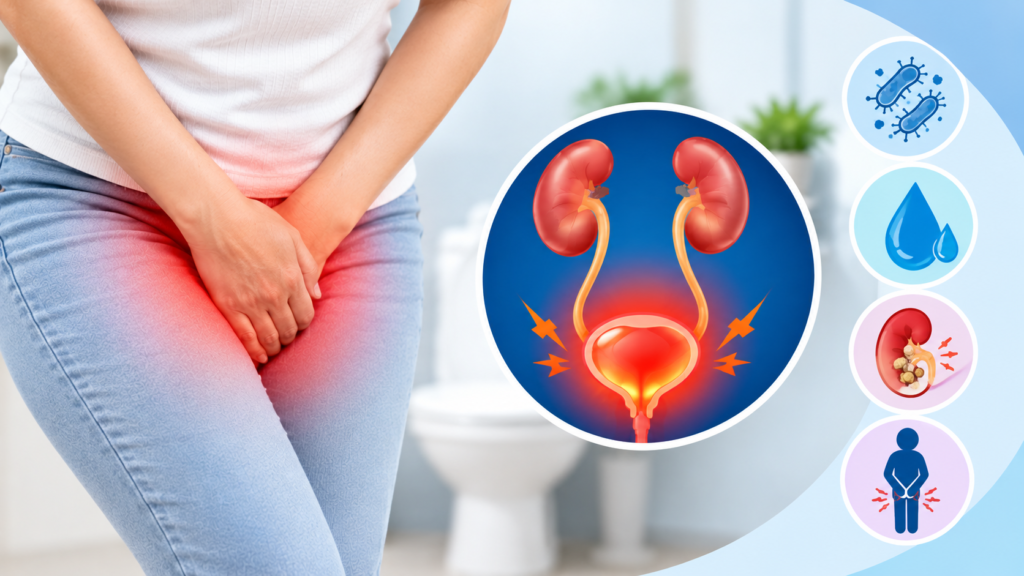
Symptoms Associated With Urinary Discomfort
Apart from burning urination, individuals may experience additional symptoms depending on the underlying cause.
Common associated symptoms include:
- Frequent urge to pass urine.
- Pain or pressure in the lower abdomen.
- Cloudy or unusually coloured urine.
- Difficulty starting or maintaining urine flow.
- Unusual genital discharge or irritation.
- Blood appearing in the urine.
- Fever or general weakness in certain infections.
The combination, severity, and duration of symptoms can help doctors determine which diagnostic investigations may be required.
How Is Burning Urination Diagnosed?
Accurate diagnosis is essential because similar symptoms may occur in several different urinary conditions.
A healthcare professional usually begins by reviewing the patient’s medical history, symptom duration, fluid intake, medications, and associated complaints.
Depending on the findings, diagnostic investigations may include:
Urine Routine Examination: Helps identify abnormalities such as white blood cells, blood, or other indicators of urinary problems.
Urine Culture: Detects bacterial infections and helps determine which antibiotics may be effective.
Blood Tests: May be recommended when doctors suspect kidney involvement or a more serious infection.
Ultrasound Imaging: Helps identify kidney stones, bladder abnormalities, or urinary obstruction.
STI Testing: May be advised when symptoms or medical history suggest a sexually transmitted infection.
Not every patient requires all these investigations. Testing is selected according to individual symptoms and clinical findings.
Treatment for Burning Urination: Medical Options
The appropriate treatment for burning urination depends on its underlying cause rather than the symptom alone. Doctors may recommend different approaches after reviewing examination findings and diagnostic reports.
Antibiotic Treatment
When a bacterial urinary tract infection is confirmed or strongly suspected, doctors may prescribe suitable antibiotics.
Patients should follow the prescribed dosage and duration rather than stopping medication without medical advice.
Managing Kidney Stones
Small stones may sometimes pass naturally with appropriate medical supervision, while larger stones may require specialised procedures.
Treatment depends on stone size, location, symptoms, and the presence of complications.
Managing Prostate Conditions
Prostate-related infections or inflammation may require specific medications and follow-up care based on the diagnosis.
Addressing Chemical Irritation
Avoiding irritating personal care products and maintaining gentle hygiene may help when symptoms result from external irritation.
Self-medication, particularly unnecessary antibiotic use, should be avoided because it may delay accurate diagnosis and contribute to antibiotic resistance.
Home Care and Prevention Tips
Certain everyday habits may help support urinary health and reduce avoidable irritation.
Maintain Adequate Hydration
Drinking sufficient water helps maintain normal urine concentration. Fluid requirements vary depending on activity levels, weather, and individual medical conditions.
Practise Proper Hygiene
Gentle personal hygiene can help reduce irritation. Avoid harsh chemicals, strongly scented products, and unnecessary intimate cleansing solutions.
Avoid Holding Urine for Long Periods
Responding to the natural urge to urinate supports normal bladder habits.
Follow Healthy Bathroom Practices
Women should wipe from front to back after using the toilet to help reduce bacterial transfer towards the urinary opening.
Seek Early Medical Advice
If symptoms continue or repeatedly return, medical consultation is important. Home remedies should not replace appropriate diagnosis or prescribed treatment.

When Should You Consult a Doctor?
Although mild burning urination may sometimes be temporary, certain symptoms require prompt medical attention.
Consult a healthcare professional if discomfort persists, repeatedly returns, or occurs alongside unusual urinary changes.
Seek urgent assessment when symptoms include fever, chills, severe back or side pain, vomiting, visible blood in the urine, or difficulty passing urine. Complete inability to urinate requires emergency evaluation.
Pregnant women, children, and individuals with existing kidney conditions should also seek timely medical advice when urinary symptoms develop.
Conclusion
Understanding the possible reasons behind burning urination can help individuals recognise urinary problems and take appropriate action before complications develop. The condition may result from infections, dehydration, kidney stones, prostate disorders, or external irritation. Accurate diagnosis and timely medical intervention are essential for effective symptom management and long-term urinary health.
For patients seeking professional consultation, Malik Super Speciality Hospital, recognised as a best hospital in Hansi, offers comprehensive diagnostic support and personalised urinary care. If you are experiencing persistent discomfort, consulting an experienced healthcare professional can help identify the underlying problem and determine an appropriate treatment plan.