- MALIK SUPER SPECIALITY HOSPITAL HANSI
- info@maliksuperspecialityhospital.com
First Trimester Pregnancy Care: Diet, Health and Safety Tips

Karwa Chauth Fasting Tips: How to Stay Healthy and Energetic
October 17, 2026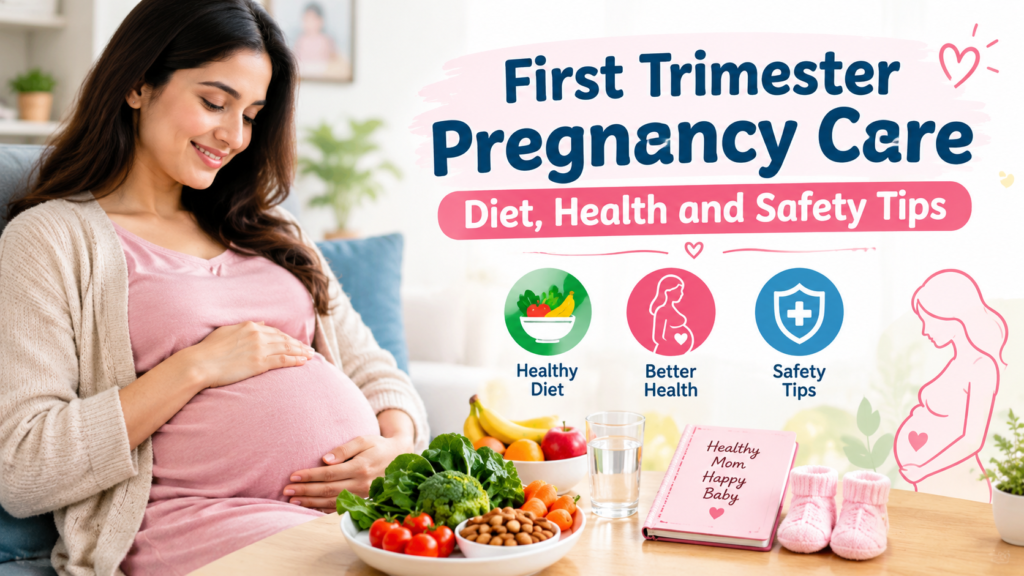
Pregnancy is a beautiful journey that brings excitement, happiness, and several physical and emotional changes. The first trimester, covering weeks 1 to 12, is particularly important because this is when the baby’s major organs and body systems begin developing. At Malik Super Speciality Hospital, expecting mothers can consult the best gynaecologist obstretician in Hansi for professional medical guidance to understand their changing bodies and maintain a healthy pregnancy. Following the right first trimester pregnancy care practices can help mothers manage common symptoms, maintain proper nutrition, and support their baby’s early development.
During these initial weeks, women may experience morning sickness, tiredness, breast tenderness, mood changes, and changes in appetite. Although these symptoms are common, every pregnancy is different and requires individual attention. Eating nutritious meals, getting sufficient rest, attending prenatal appointments, and avoiding harmful substances are essential steps towards a healthy pregnancy. Understanding the importance of early prenatal care also helps expecting mothers make informed decisions about their health and recognise potential warning signs.
Read More:PCOS and Pregnancy: Understanding Fertility and Treatment
Why Is the First Trimester Important?
The first trimester is a crucial stage of pregnancy because the baby’s brain, spinal cord, heart, and other major organs begin developing. During this period, the mother’s body also undergoes significant hormonal changes to support the growing baby.
Proper first trimester pregnancy care involves regular medical consultations, nutritional support, appropriate physical activity, and emotional well-being. Early prenatal checkups help doctors monitor pregnancy development, identify potential complications, and recommend necessary screenings.
Women should schedule their first prenatal appointment as soon as pregnancy is confirmed.
First Trimester Pregnancy Care: Healthy Diet and Nutrition
A balanced diet is essential during pregnancy because the developing baby depends on the mother’s nutritional intake. Maintaining a healthy diet during early pregnancy helps provide important vitamins, minerals, protein, and energy.
Expecting mothers should include different food groups in their daily meals rather than relying on a limited selection of foods.
Foods to Include in Your Pregnancy Diet
- Green leafy vegetables: Spinach, broccoli, and other vegetables provide folate, iron, and fibre.
- Fresh fruits: Oranges, apples, bananas, and seasonal fruits provide vitamins and antioxidants.
- Whole grains: Oats, brown rice, and whole wheat provide energy and dietary fibre.
- Protein-rich foods: Lentils, beans, eggs, dairy products, and thoroughly cooked lean meats support tissue development.
- Dairy products: Pasteurised milk, yoghurt, and cheese provide calcium and protein.
- Nuts and seeds: Almonds, walnuts, and seeds provide healthy fats and essential minerals.
Eating smaller, frequent meals may help manage nausea and maintain energy levels.
Following a healthy diet during early pregnancy also involves drinking sufficient water and limiting heavily processed foods.

Essential Nutrients Required During the First Trimester
Understanding the importance of essential nutrients for pregnant women helps expecting mothers make better dietary choices.
Certain nutrients play a particularly important role during the baby’s early development.
| Nutrient | Importance | Food Sources |
| Folic Acid | Supports neural tube development | Leafy vegetables, fortified cereals |
| Iron | Supports red blood cell production | Lentils, beans, leafy greens |
| Calcium | Supports developing bones and teeth | Milk, yoghurt, fortified foods |
| Protein | Helps develop fetal tissues | Eggs, pulses, dairy products |
| Vitamin D | Supports calcium absorption | Fortified foods, oily fish |
| Vitamin B12 | Supports nervous system development | Dairy, eggs, fortified foods |
Folic acid is particularly important before conception and during early pregnancy. Most pregnant women are advised to take 400 micrograms daily until 12 weeks of pregnancy, although some require a higher prescribed dose.
Doctors may also recommend prenatal supplements based on individual nutritional requirements.
Getting adequate essential nutrients for pregnant women through food and medically recommended supplements supports maternal health and fetal development.
First Trimester Pregnancy Care: Important Health and Safety Tips
Along with nutrition, daily lifestyle habits significantly influence maternal well-being. Following appropriate first trimester pregnancy care recommendations can help women remain comfortable and reduce avoidable health risks.
1. Attend Regular Prenatal Checkups
Regular prenatal appointments allow healthcare professionals to monitor maternal health and pregnancy development.
Doctors may recommend blood tests, urine examinations, ultrasound scans, and other screenings depending on the pregnancy stage and medical history.
2. Get Sufficient Rest
Fatigue is particularly common during early pregnancy because of hormonal changes.
Expecting mothers should maintain a consistent sleeping routine, take short breaks when necessary, and avoid excessive physical strain.
3. Stay Physically Active
Light physical activities such as walking, stretching, and pregnancy-appropriate yoga may help maintain flexibility and improve overall well-being.
Women should consult their doctor before beginning or continuing an exercise programme, especially when experiencing pregnancy-related complications.
4. Avoid Harmful Substances
Smoking, alcohol consumption, and recreational drugs should be avoided during pregnancy.
Caffeine intake should generally remain below 200 mg daily. Medicines, herbal products, and supplements should also be discussed with a healthcare professional before use.
5. Maintain Personal Hygiene
Proper hygiene reduces exposure to infections. Wash hands regularly, clean fruits and vegetables thoroughly, and avoid unpasteurised dairy products, raw meat, and undercooked eggs.
These precautions are an important part of first trimester pregnancy care and help protect both maternal and fetal health.
How to Manage Common First Trimester Symptoms
Early pregnancy often brings physical discomfort because of hormonal fluctuations. Understanding these symptoms can make daily activities easier.
Morning Sickness: Eating small, frequent meals, avoiding strong smells, and consuming bland foods may help reduce nausea.
Fatigue: Prioritise sleep, maintain hydration, and avoid unnecessary physical exertion.
Constipation: Include fibre-rich foods, drink adequate water, and remain physically active when medically appropriate.
Breast Tenderness: Wearing a comfortable, supportive bra may reduce discomfort.
Mood Changes: Emotional support, relaxation techniques, and adequate rest can help manage changing emotions.
Although these symptoms are common, persistent vomiting, dehydration, or worsening discomfort requires medical attention.
Warning Signs That Require Immediate Medical Attention
Recognising unusual symptoms is another important aspect of first trimester pregnancy care.
Expecting mothers should seek prompt medical evaluation if they experience:
- Heavy vaginal bleeding or severe abdominal pain.
- Severe or persistent vomiting with an inability to retain fluids.
- Dizziness, fainting, or shoulder-tip pain.
- Fever or symptoms suggesting an infection.
- Severe weakness or unusual physical discomfort.
These symptoms do not always indicate a serious complication, but timely medical assessment is essential. Severe pain, heavy bleeding, or fainting warrants emergency care.

Importance of Emotional Well-Being During Pregnancy
Pregnancy involves emotional changes alongside physical development. Some women experience anxiety, irritability, or uncertainty, particularly during their first pregnancy.
Open communication with family members, adequate relaxation, and emotional support can help expecting mothers feel more comfortable.
Women experiencing persistent sadness, anxiety, or difficulty managing everyday activities should discuss their concerns with their healthcare provider.
Maintaining emotional wellness is an essential component of first trimester pregnancy care, alongside nutrition and regular prenatal monitoring.
Conclusion
The first trimester establishes an important foundation for a healthy pregnancy. A nutritious diet, adequate rest, regular prenatal consultations, safe physical activity, and awareness of warning signs can help expecting mothers navigate these initial weeks confidently.
Following appropriate first trimester pregnancy care practices also encourages early identification of potential health concerns and supports informed decisions throughout pregnancy.
For professional pregnancy guidance, prenatal consultations, and comprehensive maternity services, visit Malik Super Speciality Hospital, a trusted choice for women looking for the best hospital in Hansi. With dedicated obstetrics and gynaecology services, the hospital provides personalised medical attention, pregnancy monitoring, and expert guidance to support mothers throughout their pregnancy journey.