- MALIK SUPER SPECIALITY HOSPITAL HANSI
- info@maliksuperspecialityhospital.com
PCOS and Pregnancy: Understanding Fertility and Treatment

Kidney Function Tests: Creatinine, eGFR and Urine Tests
September 19, 2026
Vaginal Discharge: Common Causes, Symptoms and Treatment
September 24, 2026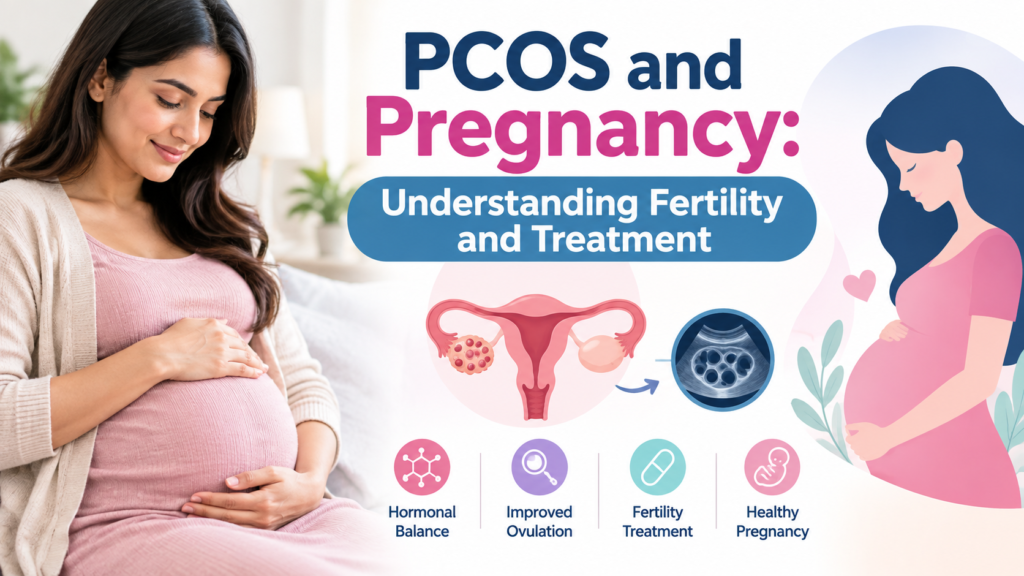
Polycystic ovary syndrome (PCOS) is a common hormonal condition that can affect menstrual cycles, ovulation, metabolism, and fertility. For many women, PCOS and Pregnancy can raise questions about conception, healthy pregnancy, and available treatment options. While PCOS may make ovulation irregular, it does not necessarily mean that pregnancy is impossible. With appropriate medical guidance, many women with PCOS can conceive and have healthy pregnancies. Understanding how PCOS affects reproductive health can help women make informed decisions about fertility care and pregnancy planning. Malik Super Speciality Hospital, with support from an experienced best gynaecologist in Hansi, provides specialized medical guidance for women seeking care for hormonal, fertility, and reproductive health concerns.
When considering PCOS and Pregnancy, it is important to understand the relationship between irregular ovulation and conception. Some women may ovulate less frequently, which can make it harder to predict fertile days. However, fertility can often be supported through lifestyle changes, ovulation tracking, medications, and other treatments when needed. Early consultation with a qualified healthcare professional can help identify individual concerns and create an appropriate care plan.
Read More : Best Time to Plan a Pregnancy: Tips for Healthy Conception
How PCOS and Pregnancy Can Affect Fertility
Polycystic ovary syndrome (PCOS) is a common hormonal condition that can affect ovulation and menstrual cycles. Some women with PCOS experience irregular periods because ovulation does not occur regularly. Since ovulation is important for natural conception, irregular ovulation can make it harder to identify fertile days.
PCOS and Pregnancy are therefore closely connected to ovulation patterns. Some women may ovulate occasionally, while others may need medical assistance to stimulate ovulation. The effect of PCOS varies from person to person, so fertility concerns should be evaluated individually rather than assuming that conception will be difficult for everyone.
Other factors can also influence fertility, including age, body weight, insulin resistance, thyroid problems, sperm health, and other reproductive conditions. A healthcare professional may recommend appropriate examinations to understand the overall fertility picture.
PCOS and Pregnancy: Improving the Chances of Conception
Managing overall health can be an important part of preparing for pregnancy. A balanced diet, regular physical activity, adequate sleep, stress management, and maintaining a healthy weight may support metabolic and reproductive health.
For women concerned about PCOS fertility, doctors may first assess menstrual patterns, ovulation, medical history, and other factors affecting conception. Depending on the situation, treatment may include medicines that help induce ovulation. Fertility specialists may also discuss additional options if pregnancy does not occur after appropriate initial treatment.
Tracking menstrual cycles and identifying possible ovulation can also provide useful information. However, irregular cycles may make traditional calendar-based fertility tracking less reliable. Medical monitoring can provide a clearer understanding of ovulation when needed.
Pregnancy With PCOS: What to Expect
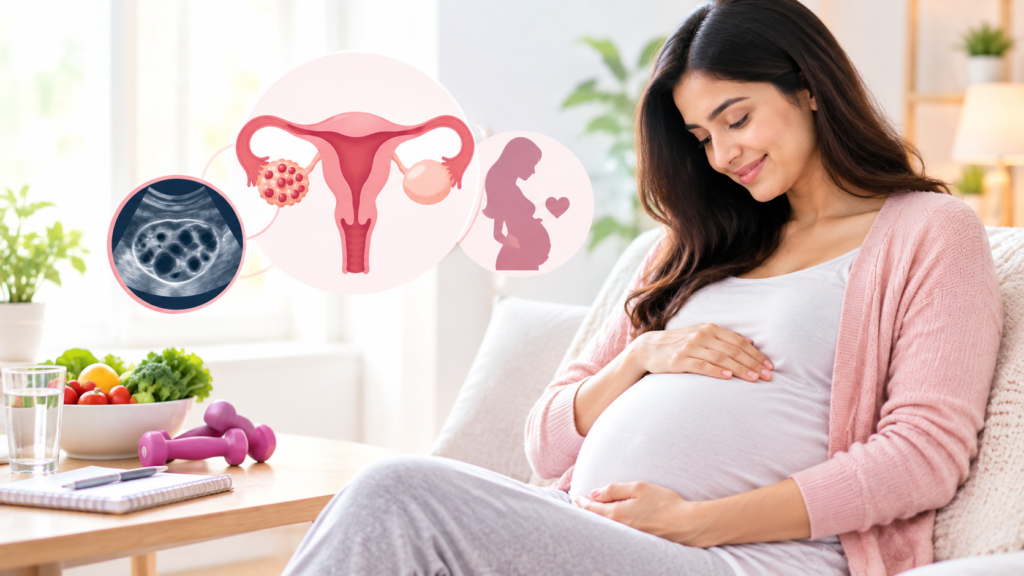
Pregnancy with PCOS is possible, but some women may have a higher risk of certain pregnancy complications. These can include gestational diabetes, high blood pressure, and other complications depending on individual health factors. This does not mean that every woman with PCOS will develop these problems.
Once pregnancy occurs, regular prenatal appointments are important. Doctors may monitor blood pressure, blood glucose, fetal growth, and other aspects of maternal and fetal health according to the individual’s needs.
Women should also inform their healthcare provider about any medicines or supplements they are taking before or during pregnancy. Some medications used before conception may need to be changed after pregnancy is confirmed.
Treatment Options for PCOS-Related Fertility Concerns
Treatment depends on whether the immediate goal is pregnancy, menstrual regulation, or management of other PCOS symptoms. When conception is the goal, healthcare professionals may focus on improving ovulation.
Lifestyle management may be recommended alongside medical treatment. For some women, medications designed to support ovulation may be considered. If these approaches are unsuccessful or if other fertility factors are present, assisted reproductive techniques may be discussed.
Treatment should always be individualized. Self-medication or taking fertility medicines without professional supervision can be unsafe. A healthcare provider can determine which approach is appropriate after reviewing medical history and test results.
Managing Health During Pregnancy
Pregnancy with PCOS may benefit from consistent prenatal care and attention to metabolic health. Following recommended appointments allows healthcare professionals to identify potential concerns early and provide appropriate support.
Healthy nutrition is important throughout pregnancy. Meals should provide a balanced combination of protein, whole grains, vegetables, fruits, and other nutrients according to individual dietary requirements. Physical activity may also be beneficial during pregnancy when medically appropriate.
Women should follow their doctor’s recommendations regarding prenatal vitamins, blood sugar testing, blood pressure monitoring, and other assessments. Any unusual symptoms should be discussed promptly rather than ignored.
When to Seek Fertility Guidance
Women with irregular periods, absent periods, or difficulty identifying ovulation may benefit from an early medical consultation. Seeking guidance does not necessarily mean fertility treatment will be required. It can simply help identify possible causes and provide a clearer understanding of reproductive health.
For women planning PCOS and Pregnancy, discussing health conditions, medications, lifestyle factors, and previous menstrual patterns with a healthcare professional can help create an appropriate preconception plan. Women who have been trying to conceive without success should also consider professional fertility evaluation.
Preparing for a Healthy Pregnancy
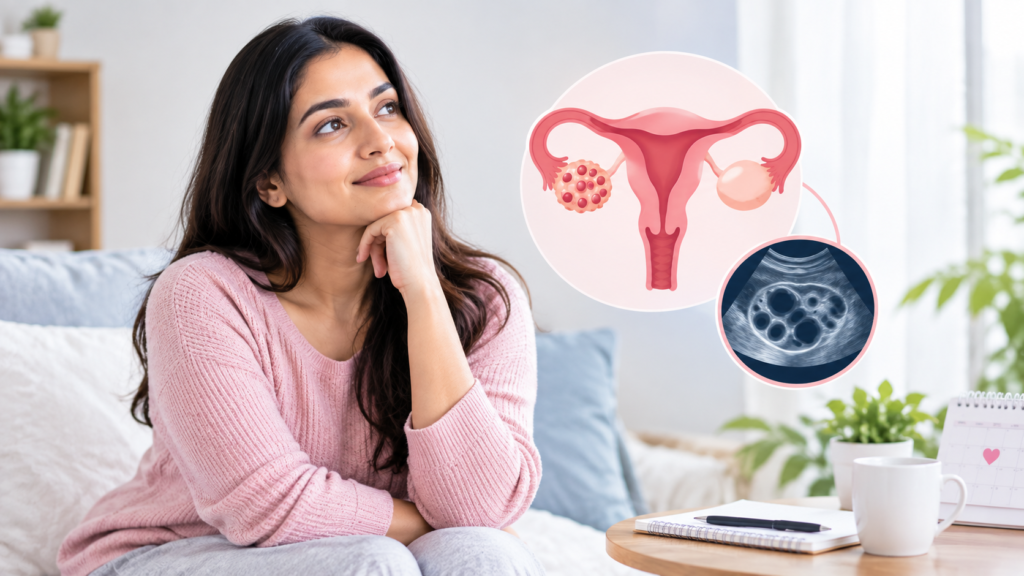
Preparation can begin before conception. Managing existing health conditions, reviewing medications, maintaining healthy habits, taking recommended prenatal supplements, and attending preconception consultations can all contribute to better preparation.
Understanding PCOS and Pregnancy can also reduce unnecessary worry. PCOS is a manageable condition, and fertility outcomes differ significantly between individuals. With appropriate evaluation and care, many women with PCOS can move forward with pregnancy planning.
Women should focus on their individual health rather than comparing their fertility journey with others. A healthcare professional can help determine whether lifestyle changes, ovulation support, fertility treatment, or additional monitoring is appropriate.
Conclusion
PCOS and Pregnancy can involve challenges related to irregular ovulation, hormonal changes, and pregnancy-related risks, but many women with PCOS are able to conceive and experience healthy pregnancies with appropriate care. Understanding PCOS fertility, maintaining healthy habits, monitoring reproductive health, and seeking timely gynaecology treatment in Hansi can make pregnancy planning more manageable. Individual treatment may range from lifestyle measures and ovulation support to fertility treatments when necessary. Women who are planning a pregnancy or experiencing difficulty conceiving should discuss their situation with a qualified healthcare professional. Malik Super Speciality Hospital can provide medical guidance and support for women seeking evaluation and care related to PCOS, fertility, and pregnancy.