- MALIK SUPER SPECIALITY HOSPITAL HANSI
- info@maliksuperspecialityhospital.com

Vaginal Discharge: Common Causes, Symptoms and Treatment

PCOS and Pregnancy: Understanding Fertility and Treatment
September 23, 2026
Life During Dialysis: Tips for Better Health and Comfort
October 1, 2026
Vaginal discharge is a normal part of the female reproductive system and helps keep the vagina clean, healthy, and protected from infections. Its amount, texture, and color can naturally change throughout the menstrual cycle because of hormonal fluctuations. Clear or white discharge without a strong odor is generally considered normal, particularly around ovulation, before periods, or during pregnancy. However, changes in appearance, smell, or consistency may sometimes indicate an underlying concern. Understanding these changes can help women recognize when medical advice may be appropriate. Women experiencing persistent or unusual symptoms can consult a gynaecologist in Hansi for proper evaluation and guidance. At Malik Super Speciality Hospital, patients can receive professional gynecological care based on their individual health needs.
While occasional changes are common, Abnormal Vaginal Fluid may occur due to infections, hormonal changes, or other gynecological conditions. Symptoms such as itching, burning, pelvic discomfort, pain during urination, or an unpleasant odor should not be ignored. Recognizing Vaginal Health Symptoms early can support timely diagnosis and appropriate treatment. This article explains common causes, symptoms, treatment options, and practical care measures to help women better understand changes in vaginal health.
What Is Vaginal Discharge?
Vaginal discharge is fluid produced by glands in the cervix and vaginal walls. It contains mucus, cells, and natural microorganisms that help maintain the vagina’s normal environment. Healthy discharge can vary from thin and watery to slightly thick or sticky depending on the menstrual cycle.
The color may range from clear to milky white. A mild natural odor can also be normal. However, a sudden change in discharge accompanied by discomfort may require medical evaluation.
Normal Changes During the Menstrual Cycle
Hormonal fluctuations can affect discharge throughout the month. Around ovulation, it may become clearer, wetter, and more stretchy. Before or after menstruation, it may become thicker or less noticeable. These changes are usually part of normal reproductive function.
Common Causes of Vaginal Discharge
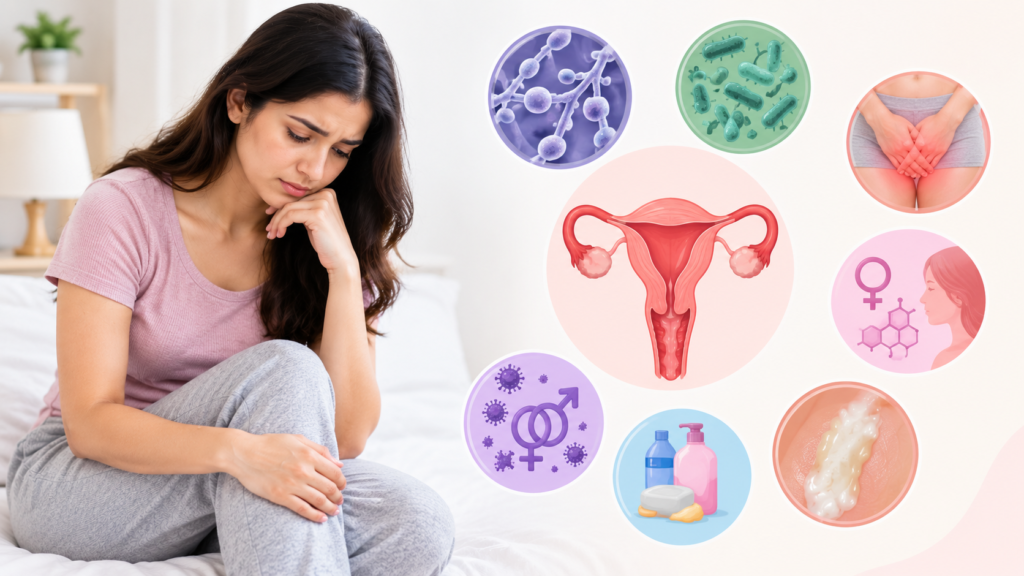
Several factors can influence changes in vaginal discharge. Common causes include:
1. Bacterial Vaginosis
Bacterial vaginosis occurs when the normal balance of vaginal bacteria changes. It may cause thin, grayish-white discharge along with a noticeable fishy odor. Some women may have few or no other symptoms.
2. Yeast Infection
A vaginal yeast infection is commonly associated with an overgrowth of Candida. It may lead to thick, white discharge that can resemble cottage cheese. Itching, redness, irritation, and soreness are also common.
3. Sexually Transmitted Infections
Certain sexually transmitted infections can cause unusual discharge. Some may produce yellow or green discharge, unpleasant odor, pelvic discomfort, or pain while urinating. Because some infections cause minimal symptoms, testing may be important when there is a potential exposure.
4. Hormonal Changes
Pregnancy, hormonal contraceptives, menopause, and changes in estrogen levels can affect vaginal secretions. Increased discharge does not always indicate an infection and should be considered alongside other symptoms.
5. Irritation
Scented soaps, vaginal washes, bubble baths, or certain personal-care products can irritate sensitive tissues. This irritation may contribute to changes in discharge or cause itching and burning.
Symptoms That May Need Attention
Not every change requires treatment, but certain Vaginal Health Symptoms may indicate an infection or another condition. These can include:
- Strong or unpleasant odor
- Yellow, green, gray, or unusual-colored discharge
- Thick or curd-like discharge
- Persistent itching or burning
- Redness or swelling
- Pain during urination
- Pelvic or lower abdominal pain
- Pain during sexual activity
- Unexpected vaginal bleeding
Abnormal Vaginal Fluid that continues for several days, repeatedly returns, or occurs with pain and fever should be evaluated by a healthcare professional.
How Is Vaginal Discharge Diagnosed?
A healthcare professional may ask about the symptoms, menstrual cycle, medications, sexual health, and any recent changes in personal-care products. A physical examination may be recommended when necessary.
Depending on the symptoms, testing may include a vaginal swab, microscopic examination, urine testing, or tests for sexually transmitted infections. Identifying the underlying cause is important because different conditions require different treatments.
Treatment Options for Vaginal Discharge
Treatment depends on the specific cause. Bacterial infections may require prescribed antibiotics, while yeast infections may be treated with antifungal medication. Sexually transmitted infections require appropriate testing and treatment, and sexual partners may also need evaluation depending on the infection.
Hormonal or non-infectious causes may not require medication but can benefit from medical guidance. Women should avoid self-medicating based only on the appearance of discharge because similar symptoms can occur with different conditions.
When to See a Doctor
Medical attention is recommended when symptoms are persistent, severe, recurrent, or associated with pelvic pain, fever, sores, bleeding, or pregnancy. Prompt evaluation can help identify the cause and prevent complications.

Tips for Maintaining Vaginal Health
Good hygiene and healthy habits can support normal vaginal health. Helpful measures include:
- Wash the external genital area gently with water or mild, unscented products.
- Avoid douching because it can disturb the natural vaginal balance.
- Wear breathable cotton underwear.
- Change out of wet clothing promptly.
- Keep the genital area dry and clean.
- Practice safer sex and use appropriate protection.
- Avoid unnecessary antibiotics and self-treatment.
- Seek medical advice for persistent or unusual symptoms.
Conclusion
Vaginal discharge is often a normal bodily function, but noticeable changes in color, odor, texture, or amount can sometimes signal an infection or another gynecological concern. Paying attention to accompanying symptoms and seeking timely medical advice can support appropriate diagnosis and treatment. Maintaining good hygiene, avoiding irritants, and following safer sexual practices can also help protect vaginal health. For women experiencing persistent or unusual symptoms, Malik Super Speciality Hospital, a best hospital in Hansi, can provide professional gynecological evaluation and appropriate care based on individual needs.