- MALIK SUPER SPECIALITY HOSPITAL HANSI
- info@maliksuperspecialityhospital.com

Kidney Function Tests: Creatinine, eGFR and Urine Tests

Chronic Kidney Disease Stages: Causes, Symptoms and Care
September 16, 2026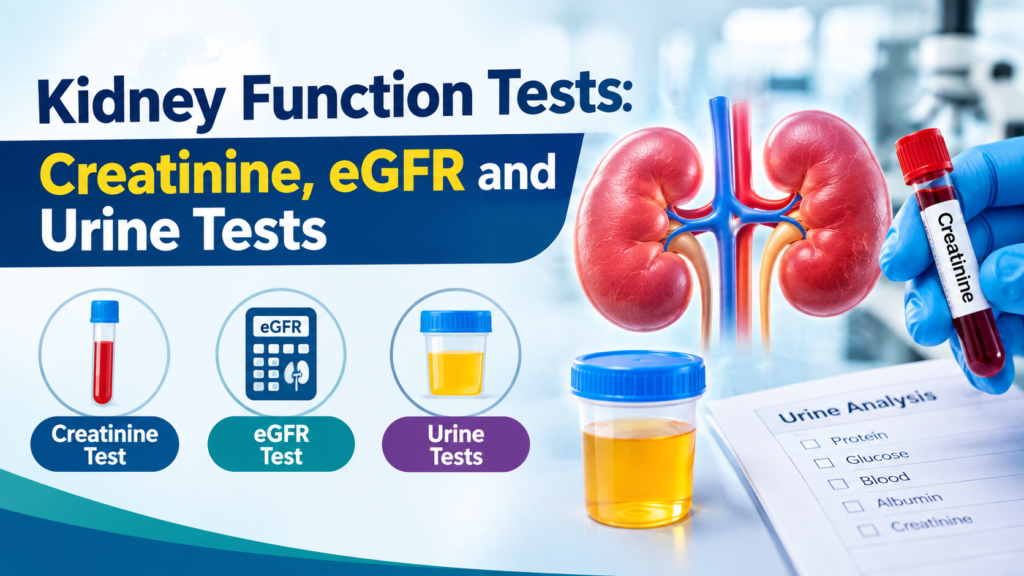
Healthy kidneys play an important role in filtering waste from the blood, balancing fluids, controlling minerals, and supporting several essential body functions. When kidney health is affected, early changes may not always cause noticeable symptoms. This is why kidney function tests are commonly used to assess how well the kidneys are working and to identify possible problems at an early stage. These tests may include blood tests, urine tests, and other investigations depending on a person’s symptoms and medical history. If you have concerns about kidney health or abnormal test results, consulting a qualified best urologist doctor in Hansi can help with proper evaluation, diagnosis, and guidance based on your individual condition.
A creatinine test can help assess waste levels in the blood, while an eGFR test provides an estimate of how efficiently the kidneys filter blood. Doctors may recommend these tests for people with diabetes, high blood pressure, a family history of kidney disease, or other risk factors. Malik Super Speciality Hospital provides medical evaluation and diagnostic support for patients who need assessment of kidney health and related conditions.
Why Are Kidney Function Tests Important?
The kidneys continuously filter the blood and remove waste products through urine. They also help maintain the body’s fluid, electrolyte, and mineral balance. If kidney function gradually declines, waste products can build up in the bloodstream.
Kidney function tests help doctors evaluate kidney performance and monitor changes over time. They may be recommended during routine health assessments or when a person has symptoms such as swelling, changes in urination, fatigue, or unexplained changes in blood pressure.
Early testing can be particularly useful because some kidney conditions develop gradually without obvious symptoms.
What Does a Creatinine Test Measure?
Creatinine is a waste product produced naturally by muscles. Healthy kidneys normally remove creatinine from the blood and eliminate it through urine. When kidney filtration becomes reduced, blood creatinine levels may increase.
A creatinine test is generally performed using a blood sample. The result is interpreted alongside other information because creatinine levels can also be influenced by factors such as muscle mass, age, diet, and certain medications.
Understanding Creatinine Results
A creatinine result that is outside the expected range does not automatically mean that a person has kidney disease. Doctors consider the result together with symptoms, medical history, and other laboratory findings.
In some cases, urine creatinine measurements may also be used as part of a broader assessment.
What Is an eGFR Test?
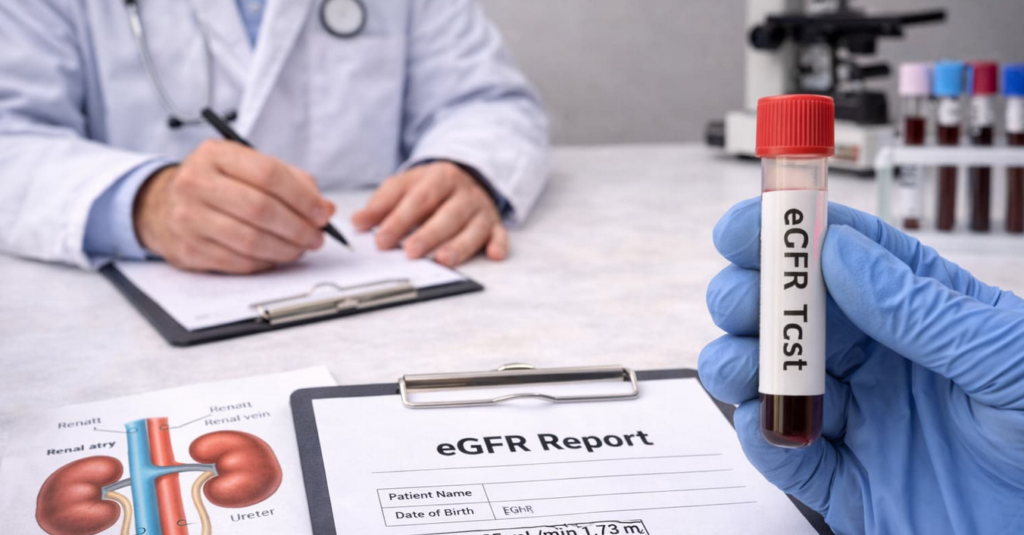
The estimated glomerular filtration rate, commonly called eGFR, is an estimate of how effectively the kidneys filter blood. It is generally calculated using blood creatinine along with factors such as age and sex, depending on the equation used by the laboratory.
An eGFR test is not usually a separate blood sample by itself. Instead, the estimated value is calculated from relevant information and laboratory results.
Why eGFR Is Useful
eGFR can help healthcare professionals understand the level of kidney filtration and monitor kidney function over time. A persistently reduced eGFR may require further evaluation.
However, a single eGFR result should not be interpreted in isolation. Temporary changes can occur, and healthcare professionals may repeat testing to understand whether a change is persistent.
Urine Tests for Kidney Health
Urine can provide valuable information about kidney health. Normally, the kidneys prevent significant amounts of protein and blood from passing into urine. Changes in urine composition may therefore provide clues about certain kidney problems.
Common urine investigations can include:
- Routine urinalysis
- Urine protein testing
- Urine albumin testing
- Albumin-to-creatinine ratio
- Tests for blood or other abnormalities
Urine Albumin and Protein
Albumin is a type of protein found in the blood. When increased amounts of albumin are detected in urine, it may indicate that the kidney’s filtering barrier is not functioning normally.
Doctors may recommend urine albumin testing, particularly for people with conditions such as diabetes or high blood pressure.
Other Tests Used to Assess Kidney Function
Depending on a person’s health condition, doctors may recommend additional investigations. These can include blood urea nitrogen, electrolyte measurements, blood pressure monitoring, imaging studies, and other specialized tests.
The choice of testing depends on symptoms, medical history, age, medications, and existing health conditions.
When Should Kidney Function Be Checked?
Regular assessment may be recommended for people who have a higher risk of kidney problems. Important risk factors can include:
- Diabetes
- High blood pressure
- Heart disease
- Family history of kidney disease
- Previous kidney problems
- Long-term use of certain medications
- Older age
People experiencing persistent swelling, changes in urination, blood in the urine, unusual fatigue, or unexplained changes in blood pressure should discuss these symptoms with a healthcare professional.

How to Prepare for Kidney Tests
Preparation depends on the specific investigation. Some blood tests may not require special preparation, while certain tests may have particular instructions.
Patients should inform their healthcare provider about prescription medicines, supplements, existing medical conditions, and recent illnesses. They should also follow any instructions provided by the laboratory or doctor.
It is important not to stop prescribed medication without medical advice simply because a kidney test is planned.
Understanding Your Test Results
Laboratory results should be interpreted according to the reference range provided by the testing laboratory and the individual’s overall health. A result outside the reference range does not always indicate a serious condition.
Doctors may compare current results with previous reports to identify trends. For example, changes in creatinine, eGFR, or urine albumin over time can provide more useful information than one isolated result.
Further testing may be recommended when results suggest a possible kidney problem.
Conclusion
Kidney function tests are valuable tools for assessing kidney health and identifying changes that may require further evaluation. Blood measurements such as creatinine and estimated filtration rates can provide information about kidney performance, while urine tests can detect substances such as protein or albumin that may indicate kidney-related changes. Regular assessment can be especially important for people with diabetes, high blood pressure, a family history of kidney disease, or other risk factors. Anyone concerned about abnormal results or persistent symptoms should consult a qualified healthcare professional rather than interpreting laboratory values independently. Malik Super Speciality Hospital, recognized among patients seeking a best hospital in Hansi, provides medical consultation and diagnostic support for patients seeking evaluation and ongoing care related to kidney health.