- MALIK SUPER SPECIALITY HOSPITAL HANSI
- info@maliksuperspecialityhospital.com

URINARY INFECTIONS IN WOMEN: SYMPTOMS, PREVENTIONS AND TREATMENT

OVARIAN CYSTS: Symptoms, Causes, Types, Diagnosis and Treatment
August 19, 2026
Contraception Options for Women: Types, Benefits & Safety Guide
August 25, 2026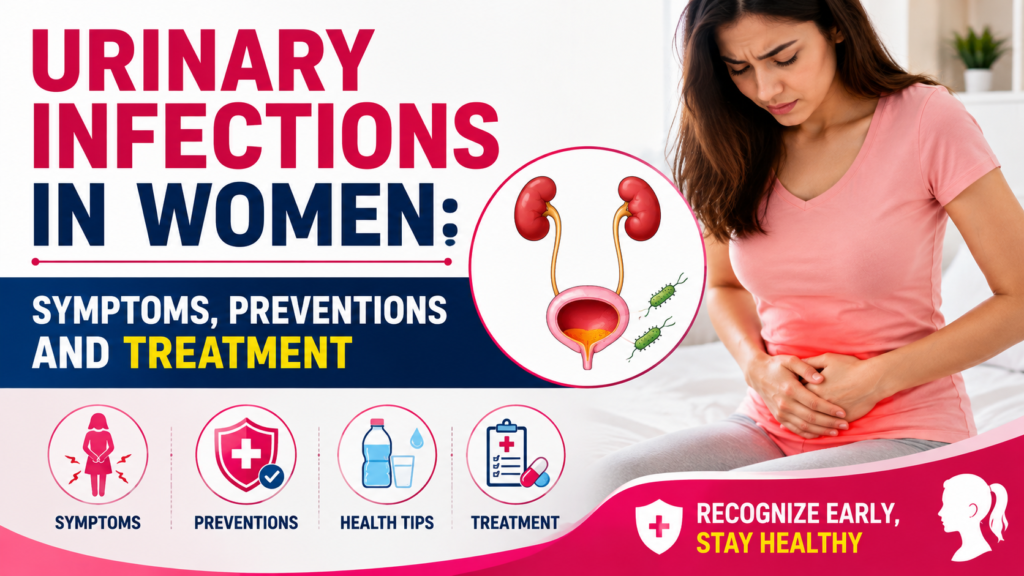
Urinary tract infections (UTIs) are common health problems that can affect different parts of the urinary system, including the urethra, bladder, ureters, and kidneys. Women are particularly susceptible to urinary infections because the female urethra is shorter, providing bacteria with a shorter route to the bladder. Consulting a best urologist doctor in Hansi can help women receive proper evaluation and guidance for urinary health concerns.
Bladder infections are among the most common types of UTI and are usually caused by bacteria entering and multiplying in the bladder. Recognizing symptoms early, understanding possible causes, following healthy prevention habits, and receiving appropriate treatment can help reduce discomfort and lower the risk of complications.
What Is a Urinary Tract Infection?
A urinary tract infection occurs when microorganisms, most commonly bacteria, enter the urinary system and multiply. Most UTIs affect the lower urinary tract, particularly the bladder and urethra.
A bladder infection may cause burning or pain during urination, a frequent need to urinate, lower abdominal discomfort, and changes in the appearance or smell of urine. If bacteria travel from the bladder to the kidneys, the infection can become more serious and may cause fever, chills, nausea, vomiting, or pain in the back or side.
Not every urinary symptom is necessarily caused by a UTI. Other health conditions can produce similar symptoms, which is why proper medical evaluation is important when symptoms persist, return frequently, or become severe.
Common Symptoms of Urinary Infections in Women
The symptoms of a urinary infection can vary depending on which part of the urinary tract is affected. Common bladder infection symptoms include:
- Burning or pain while urinating
- Frequent need to urinate
- A strong or sudden urge to urinate
- Passing only a small amount of urine
- Pain or pressure in the lower abdomen
- Cloudy urine
- Strong-smelling urine
- Blood in the urine
- General discomfort during urination
Some women may experience several symptoms at once, while others may notice only one or two. Persistent urinary symptoms should be discussed with a healthcare professional instead of being treated based only on assumptions.
Symptoms That May Indicate a Kidney Infection
A bladder infection can sometimes spread to one or both kidneys. Kidney infections require prompt medical attention because they can become serious if treatment is delayed.
Possible symptoms of a kidney infection include:
- Fever
- Chills
- Pain in the back or side
- Pain in the groin
- Painful urination
- Frequent urination
- Nausea or vomiting
- Feeling unusually weak or unwell
Women who experience urinary symptoms together with fever, chills, vomiting, or significant back or side pain should seek medical care promptly.
What Causes Urinary Infections in Women?
Bacteria are the most common cause of bladder infections. Bacteria from the digestive tract can enter the urethra and travel toward the bladder, where they may multiply and cause an infection.
Several factors can increase the likelihood of developing a urinary infection. These may include previous UTIs, sexual activity, certain contraceptive methods, pregnancy, menopause-related changes, and difficulty completely emptying the bladder.
Some women may experience urinary infections repeatedly. In such cases, a healthcare professional can review the woman’s medical history and identify possible contributing factors.
How Are Urinary Infections Diagnosed?
A healthcare professional may begin by discussing symptoms, medical history, and previous urinary infections. A physical examination and laboratory tests may also be used to determine whether an infection is present.
Urine testing can help identify signs of infection. In certain situations, a urine culture may be recommended to identify the bacteria responsible and help determine which antibiotic may be appropriate.
Women with recurrent or complicated urinary infections may require additional tests. Depending on the symptoms, a healthcare professional may recommend imaging or other investigations to look for an underlying urinary tract problem.
Because several health conditions can cause symptoms similar to a UTI, self-diagnosis is not always reliable.
Treatment for Urinary Infections
Treatment depends on the cause and severity of the infection. When a bacterial bladder infection is diagnosed, antibiotics are commonly prescribed by a healthcare professional.
The choice and duration of treatment can vary depending on the type of infection, medical history, allergies, previous infections, pregnancy status, and other individual factors.
Antibiotics should only be taken as prescribed. Patients should follow their healthcare professional’s instructions and complete the prescribed course. Using incorrect antibiotics or stopping treatment without medical advice can contribute to antibiotic resistance and make future infections more difficult to treat.
Treatment Options for Urinary Infections
Antibiotic Treatment
Bacterial bladder infections are generally treated with antibiotics. A healthcare professional chooses the appropriate medication based on the individual’s circumstances and, when necessary, laboratory results.
Women should avoid using leftover antibiotics or taking medication prescribed for someone else. The appropriate treatment depends on the specific infection and the patient’s health history.
Staying Hydrated
Drinking enough fluids can help maintain hydration and support normal urinary function. Water is generally a good choice. However, women with certain conditions, such as kidney or heart problems, may need individualized fluid recommendations from their healthcare professional.
Managing Discomfort
A healthcare professional may recommend appropriate pain-relief measures when necessary. A warm heating pad placed on the lower abdomen or back may also help relieve some discomfort.
Prevention of Urinary Infections
Although not every urinary infection can be prevented, healthy daily habits may help reduce the risk.
Drink Enough Water
Adequate fluid intake supports normal urinary function. Water is generally the best choice for hydration. The amount of fluid a woman needs can vary depending on her health, activity level, climate, and medical conditions.
Do Not Hold Urine for Too Long
Women should use the bathroom when they feel the need to urinate. Regularly holding urine for long periods is not a healthy bladder habit and may contribute to urinary problems.
Wipe From Front to Back
After using the toilet, wiping from front to back can help reduce the movement of bacteria from the bowel area toward the urethra. This simple hygiene practice can support urinary health.
Empty the Bladder Completely
Women should take enough time when urinating and avoid rushing. Properly emptying the bladder is an important part of maintaining healthy urinary habits.
Urinate After Sexual Activity
Urinating after sexual activity may help flush away bacteria that may have entered the urethra. Maintaining appropriate personal hygiene can also support urinary health.
Wear Comfortable Clothing
Loose-fitting clothing and breathable underwear may help reduce moisture around the genital area. Choosing comfortable clothing can support good personal hygiene and urinary health.
Recurrent Urinary Infections
Some women experience urinary infections repeatedly. Recurrent infections should be evaluated instead of simply treating each episode without identifying possible contributing factors.
A healthcare professional may review previous urine tests, medications, contraceptive methods, symptoms, and other medical conditions. Additional testing may sometimes be required to determine why infections continue to return.
For women around perimenopause or menopause who experience recurrent bladder infections, a healthcare professional may consider specific preventive options. These may include low-dose vaginal estrogen in appropriate cases. Such treatment is not suitable for everyone and requires professional assessment.
Can Cranberry Products Treat a UTI?
Cranberry juice and cranberry supplements are often promoted for urinary health. However, cranberry products should not be considered a treatment for an existing bladder infection.
Women experiencing UTI symptoms should not delay professional evaluation or prescribed treatment while relying on cranberry products, home remedies, or supplements.
Urinary Infections During Pregnancy
Pregnancy can bring changes to the urinary system, and urinary infections during pregnancy should be taken seriously. Pregnant women who experience burning during urination, frequent urination, lower abdominal discomfort, fever, or back pain should contact their healthcare professional.
Women should not self-medicate with antibiotics during pregnancy. A healthcare professional can recommend appropriate testing and treatment based on the pregnancy and suspected infection.
When Should Women See a Doctor?
Medical evaluation is recommended when urinary symptoms persist, become severe, or repeatedly return. Symptoms such as burning urination, frequent urges, lower abdominal discomfort, cloudy urine, or blood in the urine should not be ignored.
Prompt medical attention is particularly important when urinary symptoms occur with fever, chills, vomiting, or pain in the back or side. These symptoms may indicate that an infection has reached the kidneys.
Women who experience recurrent infections should also discuss their symptoms with a healthcare professional. Identifying the underlying cause can help determine a suitable treatment and prevention strategy.
Maintaining Good Urinary Health
Good urinary health involves more than treating infections when they occur. Regular hydration, healthy bathroom habits, appropriate personal hygiene, and paying attention to changes in urination can help women recognize potential problems earlier.
Women should avoid ignoring repeated urinary symptoms. Changes such as increased urinary frequency, difficulty starting urination, urine leakage, or a feeling that the bladder is not completely empty may require professional evaluation.
People with existing medical conditions should follow individualized advice from their healthcare professional because general hydration and prevention recommendations may not apply equally to everyone.
Conclusion
Urinary tract infections are common in women, but symptoms should not be ignored, particularly when they persist or become more severe. Women seeking professional evaluation and appropriate care can consult Malik Super Speciality Hospital for urinary health concerns.
Burning during urination, frequent urges, lower abdominal discomfort, cloudy urine, strong-smelling urine, or blood in the urine can be signs of a bladder infection. Fever, chills, vomiting, and back or side pain may indicate a kidney infection and require prompt medical attention.
Healthy habits such as drinking enough water, avoiding prolonged urine holding, wiping from front to back, fully emptying the bladder, and urinating after sexual activity may help support urinary health.
When a bacterial infection is diagnosed, antibiotics may be required. They should be taken exactly as prescribed, and women should avoid self-medicating with leftover or unsuitable antibiotics.
Early recognition, appropriate diagnosis, and professional treatment can help manage urinary infections effectively and reduce the risk of complications.