- MALIK SUPER SPECIALITY HOSPITAL HANSI
- info@maliksuperspecialityhospital.com

Protein in Urine: What It Means and When to Seek Care

Kidney-Friendly Diet: Foods to Eat and Avoid for Better Health
October 7, 2026
Burning Urination: Common Causes, Symptoms and Treatment
October 13, 2026
Malik Super Speciality Hospital emphasizes that changes detected in a urine test should not be ignored, especially when they involve protein. Normally, the kidneys filter waste products from the blood while keeping essential substances, including proteins, inside the bloodstream. When protein appears in urine, it may sometimes be temporary and harmless, but persistent findings can indicate that the kidneys are not filtering properly. Understanding why this happens can help people recognize when medical evaluation is needed. Protein in urine can occur after strenuous exercise, dehydration, fever, or illness, but repeated or significant protein loss may be associated with kidney disease, diabetes, high blood pressure, or other health conditions. If persistent protein levels are detected, consulting the best urologist doctor in Hansi can help with appropriate evaluation and guidance based on the underlying cause.
The amount of protein detected can vary, and a single abnormal urine test does not always mean that a person has kidney disease. Doctors may recommend repeating the test or performing additional investigations to understand the cause. These may include urine protein measurements, blood tests for kidney function, blood pressure monitoring, and other evaluations based on individual symptoms and medical history. Early assessment is important because kidney problems may progress gradually without obvious warning signs. Knowing the possible causes, symptoms, diagnostic methods, and treatment options can help individuals take appropriate action and protect their kidney health.
Read More:Kidney-Friendly Diet: Foods to Eat and Avoid for Better Health
What Does Protein in Urine Mean?
Protein in urine means that an amount of protein has been detected in the urine. Healthy kidneys contain tiny filtering structures called glomeruli that prevent most proteins from passing into urine. When these filters become temporarily affected or damaged, protein can leak through and become detectable.
A small amount may occur temporarily due to:
- Dehydration
- Intense physical activity
- Fever or infection
- Emotional or physical stress
- Exposure to very cold temperatures
- Certain temporary illnesses
However, persistent protein loss deserves medical attention. Repeated findings can sometimes indicate an underlying kidney condition. The significance depends on the amount of protein, how frequently it appears, and whether other abnormalities are present.
Causes of Proteinuria
The causes of proteinuria can range from temporary conditions to chronic diseases affecting the kidneys. Some common causes include diabetes, high blood pressure, kidney inflammation, urinary tract problems, and certain infections.
Diabetes can gradually damage the small blood vessels within the kidneys, reducing their ability to retain proteins. Similarly, uncontrolled high blood pressure can place excessive pressure on kidney blood vessels and contribute to progressive kidney damage.
Other possible causes include glomerulonephritis, polycystic kidney disease, autoimmune disorders, heart conditions, and certain medications. Pregnancy can also be associated with protein loss in urine, particularly when it occurs alongside elevated blood pressure. In such cases, prompt medical assessment is important.
Symptoms of Proteinuria
In mild cases, symptoms of proteinuria may not be noticeable. Many people discover the condition only after routine urine testing. This is one reason regular health checkups can be valuable, especially for people with diabetes, hypertension, or a history of kidney problems.
When protein loss becomes more significant, possible signs may include:
- Foamy or unusually bubbly urine
- Swelling around the eyes
- Swelling in the feet, ankles, or legs
- Unexplained weight gain due to fluid retention
- Tiredness
- Changes in urination patterns
These symptoms can also occur with other medical conditions, so they should not be used alone to determine the cause.
How Is It Diagnosed?
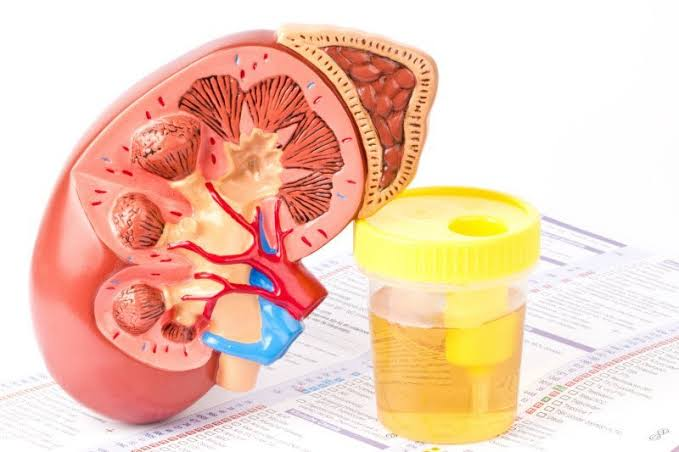
Doctors generally begin with a urine test. A routine urinalysis can identify whether protein is present, while additional testing can determine the amount being lost.
A urine albumin-to-creatinine ratio may be recommended to assess albumin leakage. Depending on the results, a doctor may also request blood tests to evaluate creatinine and estimated kidney function.
Other assessments may include:
- Blood pressure measurement
- Blood glucose testing
- Kidney ultrasound
- Additional urine tests
- Tests for autoimmune or inflammatory conditions
If protein continues to appear in urine, the doctor may consider the person’s age, medical history, medications, symptoms, and other test results before deciding whether specialist evaluation is required.
When Should You Seek Medical Care?
An isolated abnormal urine test may not always indicate a serious problem. However, medical advice is recommended when protein is repeatedly detected or when it occurs together with swelling, high blood pressure, reduced urine output, blood in urine, or unexplained fatigue.
People with diabetes or hypertension should be especially attentive because these conditions can affect kidney health over time. Pregnancy-related protein loss should also be assessed promptly, particularly when accompanied by high blood pressure, headaches, vision changes, or sudden swelling.
Seeking care early can help identify potentially reversible causes and reduce the risk of complications.
Treatment and Management
Treatment depends on the underlying reason for protein leakage. If dehydration, fever, or intense exercise is responsible for a temporary abnormal result, the finding may resolve once the triggering factor improves.
When an underlying disease is involved, treatment may focus on controlling that condition. For example, people with diabetes may need better blood glucose management, while those with hypertension may require lifestyle changes and prescribed blood pressure medicines.
Doctors may also recommend medications that help protect kidney function in appropriate patients. Dietary guidance can sometimes be useful, particularly when kidney disease has been confirmed. The right amount of protein, salt, fluids, and other nutrients should be determined according to individual kidney function rather than following a restrictive diet without medical guidance.
Regular monitoring is important because kidney conditions can change over time. Follow-up urine and blood tests can help determine whether treatment is working.
How Can You Protect Kidney Health?
Maintaining healthy habits can support kidney function and reduce the risk of conditions that contribute to kidney damage. Important measures include:
- Keep blood pressure within the recommended range.
- Manage blood glucose if you have diabetes.
- Stay adequately hydrated unless your doctor has advised fluid restriction.
- Avoid unnecessary use of painkillers and other medicines that may affect the kidneys.
- Maintain a healthy body weight.
- Exercise regularly.
- Avoid smoking.
- Follow a balanced diet with appropriate salt intake.
- Attend recommended medical checkups.
People who already have kidney disease should follow personalized advice from their healthcare professional.
Understanding Your Urine Test Results
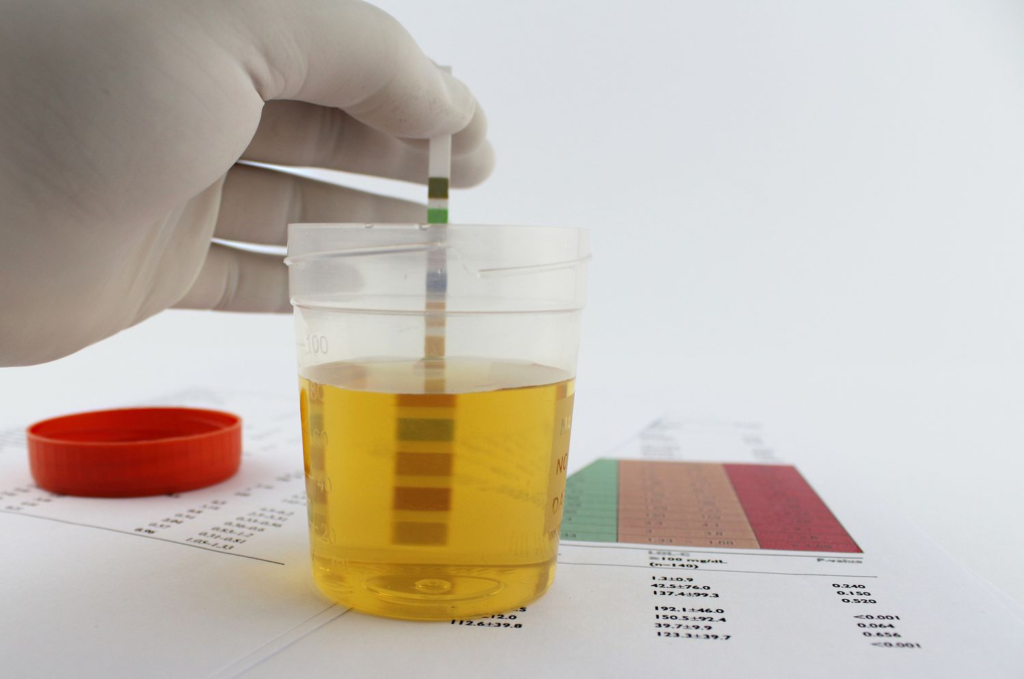
Urine test results should always be interpreted in context. The presence of protein does not automatically mean permanent kidney damage. Doctors consider the quantity of protein, whether it persists over time, and whether other findings are present.
For example, protein detected during a temporary illness may disappear after recovery. In contrast, consistently elevated protein levels may require further evaluation for chronic kidney disease.
Keeping track of blood pressure, blood sugar, kidney function tests, and urine results can help doctors identify trends and intervene when necessary. Patients should also inform their healthcare provider about supplements, prescription medicines, and over-the-counter drugs they regularly use.
Conclusion
Protein in urine can have many explanations, from temporary dehydration or strenuous exercise to conditions that affect kidney filtration. While one abnormal result does not necessarily indicate serious disease, persistent protein should be evaluated, particularly when it is accompanied by swelling, changes in urination, high blood pressure, or other concerning symptoms. Early diagnosis can help identify the underlying problem and allow appropriate treatment before kidney function becomes significantly affected. For people seeking timely evaluation of persistent urinary or kidney-related concerns, consulting the best hospital in Hansi can provide access to appropriate medical assessment and guidance. Maintaining healthy blood pressure and blood glucose levels, staying appropriately hydrated, eating a balanced diet, exercising regularly, and attending routine health checks can all support kidney health. If you notice repeated abnormal urine results or have risk factors for kidney disease, consulting a qualified healthcare professional is an important step. For comprehensive evaluation and guidance regarding kidney and urinary health, Malik Super Speciality Hospital can help patients understand their test results and receive appropriate medical care.