- MALIK SUPER SPECIALITY HOSPITAL HANSI
- info@maliksuperspecialityhospital.com

Kidney-Friendly Diet: Foods to Eat and Avoid for Better Health

Kidney Failure Treatment: Options, Care and Recovery Guide
October 3, 2026
Protein in Urine: What It Means and When to Seek Care
October 8, 2026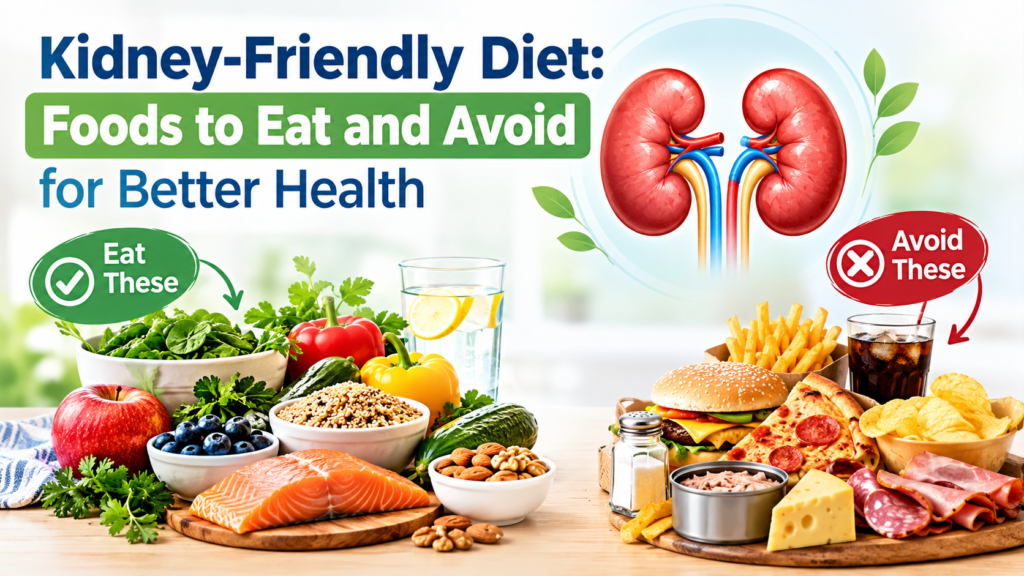
Kidney health plays an important role in removing waste and maintaining fluid and mineral balance in the body. When kidney function is affected, dietary choices may become an important part of managing overall health. A kidney-friendly diet is designed according to an individual’s kidney function, medical condition, and nutritional needs. People with kidney disease may need to pay attention to nutrients such as sodium, potassium, phosphorus, protein, and fluids. At Malik Super Speciality Hospital, patients can discuss their kidney health concerns with qualified healthcare professionals and receive appropriate guidance from the best urologist doctor in Hansi based on their individual needs.
The right kidney-friendly diet is not identical for everyone. Dietary recommendations can change depending on the stage of kidney disease, whether a person receives dialysis, and whether other health conditions are present. Understanding which foods may be suitable and which foods may need to be limited can help people make more informed choices. A doctor or renal dietitian can provide personalised recommendations rather than relying on a general food list.
What Is a Kidney-Friendly Diet?
A kidney-friendly diet is a way of eating that may help reduce the dietary burden on the kidneys while providing adequate nutrition. The exact plan depends on kidney function and individual health requirements.
People with reduced kidney function may need to monitor certain nutrients. Sodium is commonly limited because excessive sodium can contribute to fluid retention and increased blood pressure. Depending on kidney function and laboratory results, potassium and phosphorus may also need to be controlled.
Protein requirements can vary as well. Some people with chronic kidney disease may receive different protein recommendations from those undergoing dialysis. Therefore, dietary changes should be made with professional guidance.
Why Diet Matters for Kidney Health
The kidneys help remove waste products and excess substances from the bloodstream. When kidney function declines, the body may have difficulty maintaining appropriate levels of certain minerals and fluids.
Making appropriate food choices can support an overall treatment plan. However, diet alone does not cure kidney disease. Medication, monitoring, lifestyle changes, dialysis, or other treatments may be required depending on the underlying condition.
A balanced approach can include fresh foods, appropriate portions, adequate calories, and careful attention to nutrients recommended by a healthcare professional.
Foods to Include in a Kidney-Friendly Diet
The foods included in a kidney-friendly diet depend on individual nutritional requirements. In general, choosing fresh and minimally processed foods can help reduce unnecessary sodium and additives.
Fresh Fruits and Vegetables
Some fruits and vegetables can be part of a kidney-conscious eating pattern. However, people with high potassium levels may need to limit certain produce items.
The best choices depend on individual blood test results and medical recommendations. Portion size can also make a difference.
Appropriate Protein Sources
Protein is important for maintaining muscles and supporting the body’s functions. However, the appropriate amount may vary according to kidney function and treatment status.
Eggs, fish, poultry, and other protein sources may be included according to an individual’s dietary plan. People receiving dialysis may have different protein requirements compared with people who are not on dialysis.
Whole and Minimally Processed Foods
Fresh foods and minimally processed ingredients can make it easier to control sodium intake. Reading food labels can help identify products with high levels of salt, phosphorus additives, or other ingredients that may need to be limited.
Foods for Kidney Health
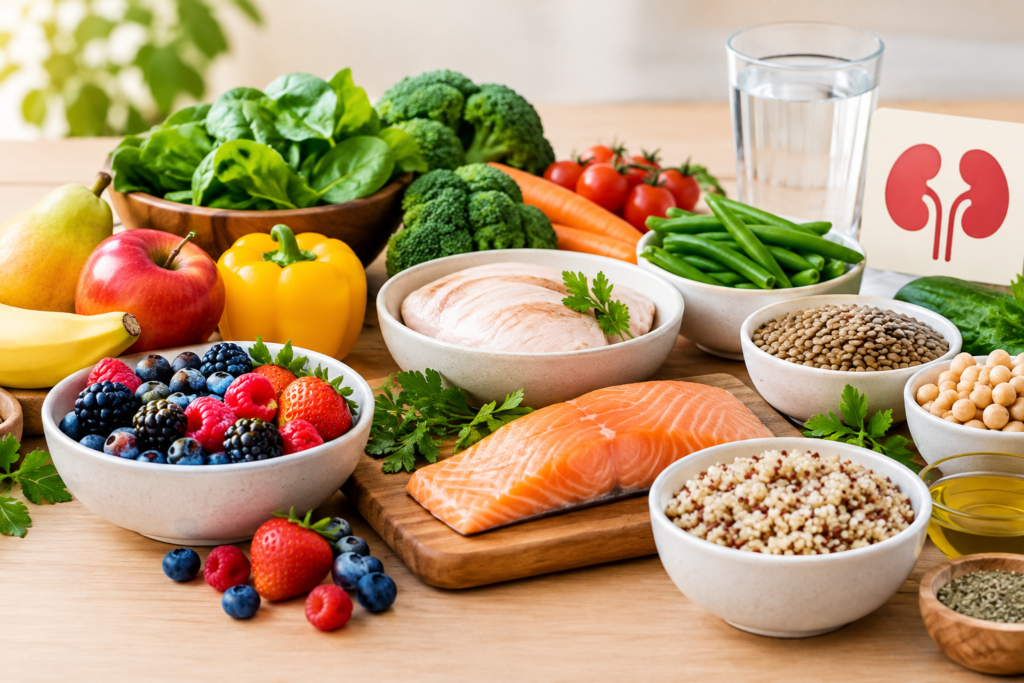
Choosing appropriate foods for kidney health should be based on individual needs rather than following a universal list. Foods naturally lower in sodium and prepared without excessive salt can be useful choices for many people.
Fresh ingredients, suitable portions of fruits and vegetables, and appropriate protein sources can form part of a balanced eating pattern. However, some foods considered generally healthy may not be suitable in large amounts for people with specific kidney-related concerns.
For example, potassium restrictions may be necessary for some individuals but not for others. This is why personalised dietary advice is important.
Foods to Limit or Avoid
Certain foods may need to be reduced because they contain high amounts of sodium, phosphorus, potassium, or other nutrients that can become problematic when kidney function is impaired.
High-Sodium Foods
Processed meats, packaged snacks, instant foods, canned products with added salt, pickles, sauces, and fast foods can contain considerable amounts of sodium.
Reducing salt during cooking and avoiding unnecessary processed foods may help people follow their prescribed dietary recommendations.
Foods With Added Phosphorus
Phosphorus can build up in the blood when the kidneys cannot remove enough of it. Some processed foods contain phosphorus-based additives.
Reading ingredient labels and discussing phosphorus intake with a healthcare professional can help individuals understand which foods may need to be limited.
High-Potassium Foods When Restricted
Potassium is an essential mineral, but some people with kidney disease may develop high potassium levels. Depending on laboratory results, certain high-potassium foods may need to be reduced.
However, potassium should not be restricted unnecessarily. A healthcare professional should determine whether restriction is appropriate.
Foods to Avoid for Kidney Disease
The term foods to avoid for kidney disease can be misleading because dietary restrictions differ from person to person. Some foods may be restricted for one patient but allowed in moderation for another.
Highly processed foods, foods with excessive sodium, and products containing certain phosphorus additives may need to be limited. People with potassium restrictions may also need to monitor specific fruits, vegetables, and other foods.
Rather than completely eliminating foods without professional advice, individuals should follow recommendations based on their kidney function, blood tests, medications, and treatment plan.
Managing Fluids and Sodium
Fluid intake can become an important consideration for some people with advanced kidney disease or those receiving dialysis. The appropriate amount depends on factors such as urine output, kidney function, swelling, blood pressure, and treatment.
Excessive sodium can increase thirst and contribute to fluid retention. Therefore, reducing heavily salted foods may be recommended for some patients.
People should not dramatically increase or restrict fluid intake without medical advice. Their healthcare team can provide guidance based on their specific condition.
Reading Food Labels
Food labels can be useful when planning meals. Look for sodium content and check ingredient lists for additives containing phosphorus.
Comparing similar products can help identify lower-sodium alternatives. Preparing meals at home can also make it easier to control the amount of salt and other ingredients used.
Portion sizes are equally important. Even foods that fit within a dietary plan can contribute excessive amounts of certain nutrients when eaten in large quantities.
Tips for Following a Kidney-Friendly Eating Plan
Following a kidney-friendly diet can become easier when changes are introduced gradually. Useful strategies include:
- Plan meals in advance.
- Choose fresh ingredients when possible.
- Limit highly processed foods.
- Read nutrition labels carefully.
- Avoid adding excessive salt.
- Follow individual potassium and phosphorus recommendations.
- Maintain appropriate protein intake.
- Follow fluid guidance provided by the healthcare team.
- Keep regular medical appointments.
- Ask a renal dietitian about suitable food choices.
It is also important to remember that dietary needs can change over time. Regular blood tests and medical assessments may lead to adjustments in the eating plan.

Personalised Dietary Guidance
A kidney-friendly diet should always be personalised. Kidney disease can have different causes and stages, and nutritional requirements may change as the condition progresses.
People undergoing dialysis may have different dietary needs from those with earlier-stage kidney disease. Individuals with diabetes, high blood pressure, heart disease, or other conditions may also require additional dietary considerations.
A doctor or registered renal dietitian can review medical history, laboratory results, medications, kidney function, and treatment status before recommending dietary changes.
Conclusion
A kidney-friendly diet can be an important part of managing kidney health when it is designed according to an individual’s specific medical needs. Choosing appropriate foods, limiting excessive sodium, monitoring potassium or phosphorus when advised, and following suitable fluid recommendations can support a broader kidney-care plan. Patients can also discuss their dietary concerns and overall kidney health with healthcare professionals at the best hospital in Hansi for appropriate guidance based on their individual condition.
There is no single diet that works for every person with kidney disease. Some foods may need to be restricted for certain patients while remaining suitable for others. Professional guidance is therefore essential before making major dietary changes. By working with their healthcare team and making informed food choices, patients can develop a practical eating routine that supports their overall health. Malik Super Speciality Hospital can provide appropriate medical guidance for individuals seeking evaluation and professional support for kidney-related concerns.