- MALIK SUPER SPECIALITY HOSPITAL HANSI
- info@maliksuperspecialityhospital.com

Life During Dialysis: Tips for Better Health and Comfort

Vaginal Discharge: Common Causes, Symptoms and Treatment
September 24, 2026
Kidney Failure Treatment: Options, Care and Recovery Guide
October 3, 2026
Living with kidney disease and undergoing regular dialysis can require changes in daily routines, diet, fluid intake, physical activity, and medical care. Life During Dialysis can become more manageable when patients understand their treatment schedule and follow the recommendations provided by their healthcare team. Dialysis helps remove waste products and excess fluid from the blood when the kidneys are no longer able to perform these functions adequately. Patients may experience tiredness, changes in appetite, muscle cramps, or other symptoms, although experiences can vary from person to person. Malik Super Speciality Hospital supports patients with medical guidance and ongoing care to help them manage their condition safely. For patients who require prompt medical attention or critical care support, access to 24 hours ICU in Hansi can be an important part of comprehensive healthcare.
Following the prescribed dialysis schedule, taking medicines correctly, monitoring fluid intake, choosing suitable foods, protecting vascular access, and attending regular medical appointments are important parts of care. Emotional well-being is also important because long-term treatment can affect mood and everyday activities. With proper guidance and consistent self-care, patients can work toward maintaining comfort and quality of life.
Read More:Dialysis Procedure Step by Step: Complete Guide
Life During Dialysis: Understanding Daily Care
Life During Dialysis involves more than attending dialysis sessions. Patients need to follow a care plan that considers their kidney function, dialysis type, other medical conditions, medications, nutritional needs, and individual treatment goals.
The dialysis team may recommend specific limits for fluids, sodium, potassium, phosphorus, and other nutrients depending on the patient’s condition and laboratory results. These recommendations should not be followed in a generalized way because dietary needs can differ significantly between patients.
Keeping a regular daily routine can make treatment easier to manage. Patients should maintain a record of dialysis appointments, medicines, weight changes, symptoms, and any concerns they want to discuss with their healthcare team.
Follow the Dialysis Schedule
Missing or shortening dialysis sessions without medical advice can increase the risk of fluid and waste buildup. Patients should attend scheduled sessions and inform their dialysis center in advance if they are unable to attend.
It is also useful to plan transportation and other daily responsibilities around dialysis appointments. Having a consistent routine may reduce stress and make treatment easier to incorporate into everyday life.
Dialysis Patient Care and Vascular Access
Dialysis Patient Care includes protecting the access used for treatment. Depending on the type of dialysis, access may involve an arteriovenous fistula, graft, or catheter.
Patients should follow their healthcare team’s instructions for keeping the access clean and protected. They should regularly check for changes such as swelling, redness, warmth, unusual pain, bleeding, or discharge.
For a fistula or graft, patients may be advised to check for the expected vibration or “thrill” as instructed by their care team. They should also follow specific precautions regarding blood pressure measurements, blood draws, lifting, and pressure on the access arm.
Any unusual change in the access site should be reported promptly. Fever, chills, significant redness, drainage, sudden bleeding, or loss of the expected access sensation can require urgent medical assessment.
Nutrition and Fluid Management
Food and fluid choices can have an important role in Life During Dialysis. However, there is no single diet suitable for every dialysis patient. A renal dietitian can help create a plan based on laboratory results, dialysis type, medications, nutritional status, and other health conditions.
Watch Fluid Intake
Some patients need to limit the amount of fluid they consume between dialysis sessions. Too much fluid can contribute to swelling, high blood pressure, breathing difficulties, or excessive weight gain between treatments.
Patients should follow the fluid target given by their healthcare team rather than adopting an arbitrary limit. Remember that foods such as soups, ice cream, and certain fruits can also contribute to overall fluid intake.
Choose Foods Carefully
Patients may need to monitor sodium, potassium, and phosphorus depending on their individual treatment plan. Reducing excess sodium can help control thirst and fluid retention. Protein requirements may also differ according to dialysis treatment and nutritional status.
Instead of making major dietary changes independently, patients should discuss food choices with their nephrologist or renal dietitian.
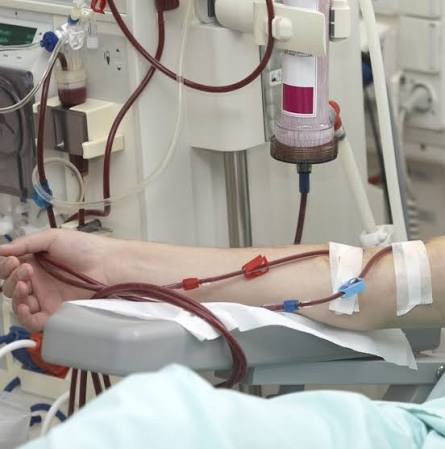
Healthy Life During Dialysis
Maintaining a Healthy Life During Dialysis involves balancing treatment with physical activity, rest, nutrition, social connections, and emotional support. Patients who are medically stable may be encouraged to remain physically active within their individual limitations.
Gentle walking, stretching, or other suitable activities can support mobility and overall well-being. However, exercise plans should be discussed with the healthcare team, particularly if the patient has heart disease, anemia, low blood pressure, bone problems, or other medical concerns.
Rest is equally important. Some people feel tired after dialysis, so planning demanding activities for times when energy levels are better may make daily life easier.
Manage Fatigue
Fatigue can occur for several reasons, including anemia, kidney disease, sleep problems, medications, nutritional issues, or the dialysis process itself. Persistent or worsening fatigue should be discussed with a healthcare professional because some causes may be treatable.
Patients should avoid assuming that severe tiredness is always an unavoidable part of dialysis.
Medicines and Regular Monitoring
Life During Dialysis also requires careful attention to medicines. Patients may take medications for blood pressure, anemia, mineral and bone disorders, diabetes, or other conditions.
Medicines should be taken according to the prescribed schedule. Patients should not stop, increase, or add medicines, including over-the-counter pain medicines or supplements, without consulting their healthcare provider. Some medicines may require dose adjustments in people with kidney disease.
Regular blood tests help the healthcare team monitor factors such as hemoglobin, electrolytes, mineral levels, and other measures relevant to treatment. Patients should attend recommended appointments and discuss abnormal symptoms or test results with their care team.
Emotional Health and Social Support
Long-term dialysis can affect emotional well-being. Patients may experience frustration, anxiety, sadness, changes in confidence, or concerns about work and family responsibilities.
Talking openly with family members, friends, doctors, nurses, counselors, or support groups can help patients cope with these challenges. Maintaining social connections and continuing appropriate hobbies can also provide a sense of normality.
If feelings of sadness, hopelessness, anxiety, or loss of interest continue or interfere with everyday life, patients should discuss them with a healthcare professional. Emotional health is an important part of comprehensive kidney care.
When Should Dialysis Patients Seek Medical Help?
Patients should contact their healthcare team when they notice new or worsening symptoms. Warning signs may include:
- Difficulty breathing or severe shortness of breath
- Chest pain or significant discomfort
- Sudden swelling or rapid unexplained weight gain
- Persistent vomiting or inability to keep fluids down
- Severe weakness, fainting, or confusion
- Fever or chills
- Redness, swelling, pain, or discharge around dialysis access
- Unusual or uncontrolled bleeding
- Significant changes in urination when relevant
- Severe muscle weakness or other sudden symptoms
Some symptoms can indicate complications that require prompt evaluation. In an emergency, patients should seek immediate medical attention rather than waiting for their next dialysis session.
Building a Comfortable Daily Routine
Dialysis Patient Care becomes easier when patients establish practical routines. Preparing meals according to the recommended diet, organizing medicines, planning appointments, monitoring weight when instructed, and keeping emergency contact information accessible can reduce day-to-day stress.
Family members can also help with transportation, meal planning, appointment reminders, and communication with healthcare professionals. However, patients should remain involved in their own care whenever possible.
Small adjustments can make daily routines more manageable. Patients can plan activities around dialysis sessions, take adequate rest, and discuss work or travel plans with their healthcare team in advance.

Healthy Life During Dialysis: Long-Term Wellness
A Healthy Life During Dialysis does not mean following the same routine as someone without kidney disease. It means finding a sustainable balance between treatment requirements and everyday life.
Patients should focus on the areas they can control, including following their treatment schedule, taking prescribed medicines, maintaining suitable nutrition, monitoring fluids as advised, protecting dialysis access, staying active within their limits, and communicating changes in health.
Every patient’s situation is different, so recommendations should be personalized by the treating nephrologist and healthcare team.
Conclusion
For many patients, Life During Dialysis requires ongoing adjustments, but consistent care and professional guidance can make treatment easier to manage. Following dialysis schedules, protecting vascular access, taking medicines correctly, making appropriate food and fluid choices, staying physically active when advised, and paying attention to emotional health are all important aspects of long-term care. Patients should also recognize warning signs and contact their healthcare team when symptoms change or become more severe. Access to a best intensive care unit Hansi can also be important when patients require close monitoring and specialized medical support. Dietary and lifestyle recommendations should always be individualized because dialysis needs vary from one person to another. Regular communication with nephrologists, nurses, dietitians, and other healthcare professionals can help patients make informed choices about their daily routine. Malik Super Speciality Hospital can provide medical support and guidance for patients who need ongoing care related to kidney disease and dialysis.