- MALIK SUPER SPECIALITY HOSPITAL HANSI
- info@maliksuperspecialityhospital.com

Contraception Options for Women: Types, Benefits & Safety Guide

URINARY INFECTIONS IN WOMEN: SYMPTOMS, PREVENTIONS AND TREATMENT
August 21, 2026
Best Time to Plan a Pregnancy: Tips for Healthy Conception
August 26, 2026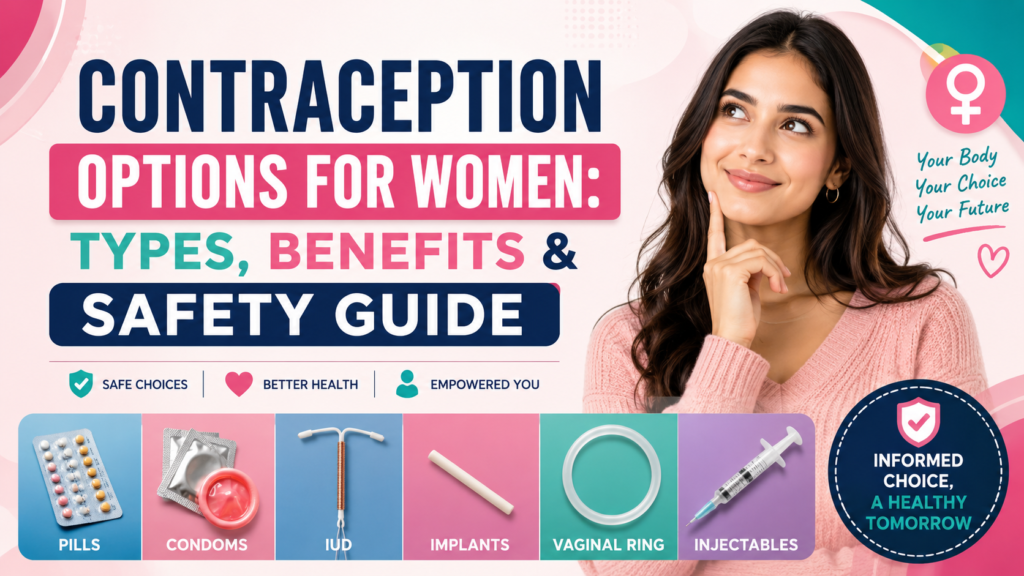
Choosing the right contraception is an important part of reproductive health. Women have different needs depending on their age, health, relationship status, plans for pregnancy, lifestyle, and personal preferences. Women’s health also includes understanding urinary health, particularly when experiencing urinary discomfort or changes in urination. Fortunately, there are several contraceptive options available, ranging from short-term methods to long-lasting and permanent solutions. Consulting a gynecologist in Hansi can help women choose a suitable contraception method based on their individual health needs and future pregnancy plans.
Read More: Urinary Infections in Women: Symptoms & Treatment
Understanding how each method works, its benefits, possible side effects, and level of effectiveness can help women make informed decisions. Malik Super Speciality Hospital can provide professional guidance to help women understand suitable contraception options and make informed decisions based on their individual healthcare needs. This guide explains the major contraception methods available for women and highlights important safety considerations.
What Is Contraception?
Contraception refers to methods used to prevent pregnancy. Depending on the method, contraception may prevent ovulation, stop sperm from reaching an egg, prevent fertilization, or create a barrier that makes pregnancy less likely.
Some methods are used only when needed, while others provide protection for several months or even years. No single method is ideal for every woman, so choosing contraception should involve consideration of individual health needs and preferences.
It is also important to remember that most contraceptive methods do not protect against sexually transmitted infections (STIs). Condoms are particularly important when STI protection is needed.
Types of Contraception for Women
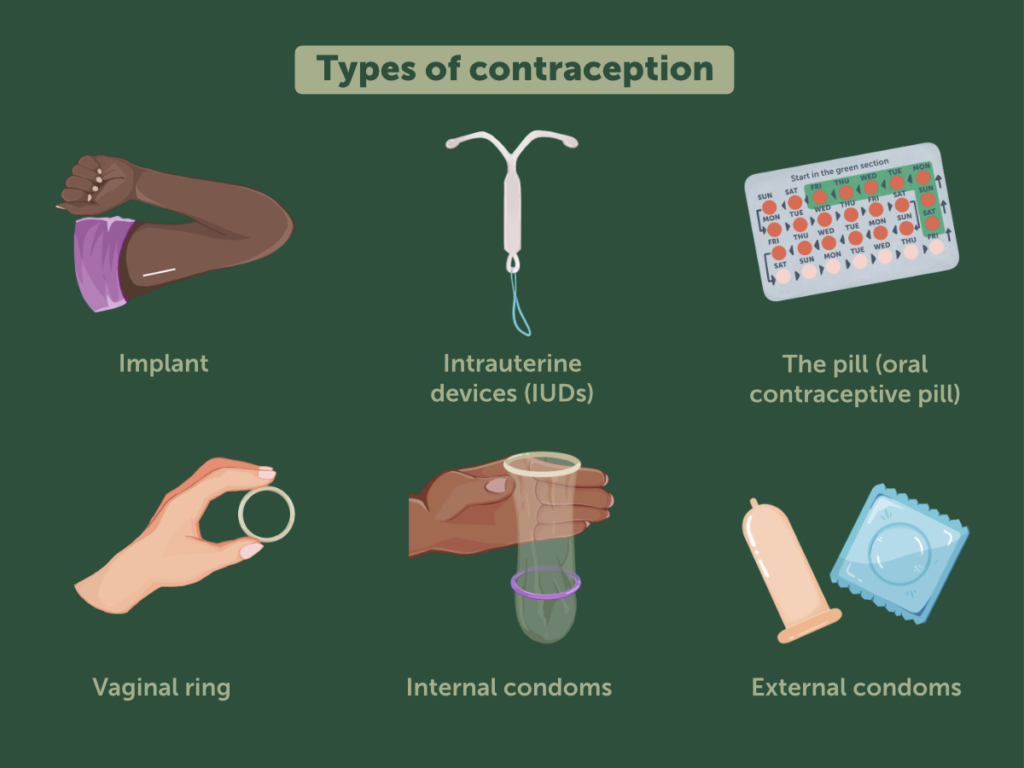
There are several categories of contraception. They include barrier methods, hormonal methods, intrauterine devices, emergency contraception, fertility-awareness approaches, and permanent contraception.
1. Condoms
Condoms are barrier methods that help prevent sperm from entering the vagina. External condoms are worn over the penis, while internal condoms are placed inside the vagina.
One of the major advantages of condoms is that they can also reduce the risk of many sexually transmitted infections when used correctly and consistently.
They are available without a prescription and do not affect fertility after use. However, their effectiveness depends heavily on correct and consistent use.
2. Birth Control Pills
Birth control pills contain hormones that help prevent pregnancy, primarily by preventing ovulation. Some types also thicken cervical mucus, making it more difficult for sperm to reach an egg.
Pills are taken regularly, usually every day. Malik Super Speciality Hospital can help women understand their correct use. They can be highly effective when taken correctly, but forgetting doses can reduce their effectiveness.Contraception Options for Women
Some women may experience temporary side effects such as nausea, breast tenderness, headaches, or changes in bleeding patterns. Certain medical conditions and medications can also affect whether a particular pill is suitable.
3. Contraceptive Patch
The contraceptive patch is a small adhesive patch that releases hormones through the skin. It is generally replaced on a regular schedule and helps prevent pregnancy primarily by stopping ovulation.
For women who find taking a daily pill difficult, the patch can offer a convenient alternative. It may also make menstrual bleeding more predictable for some users.
However, hormonal contraception is not suitable for everyone. Women with certain medical conditions or risk factors should discuss their options with a qualified healthcare professional before using it.
The contraceptive patch can cause side effects such as skin irritation, breast tenderness, nausea, headaches, or changes in menstrual bleeding. A healthcare professional can help determine whether the patch is an appropriate option.
4. Vaginal Ring
A vaginal ring is a flexible device placed inside the vagina that releases hormones. It is used according to a specific schedule and can prevent ovulation.
The vaginal ring may be convenient for women who prefer not to take a daily pill. Some women may experience changes in bleeding, headaches, nausea, or vaginal discomfort.
Correct use is important for maintaining contraceptive effectiveness.
Long-Acting Reversible Contraception
Long-acting reversible contraception, commonly known as LARC, can provide pregnancy prevention for an extended period without requiring daily attention.
5. Intrauterine Devices
An intrauterine device (IUD) is a small device placed inside the uterus by a healthcare professional. There are two major types: hormonal IUDs and copper IUDs.
Hormonal IUDs release a small amount of hormone and can provide protection for several years, depending on the specific product. Copper IUDs do not contain hormones and can also provide long-term contraception.
IUDs are highly effective and reversible. Fertility generally returns after removal. Some women may experience cramping or changes in menstrual bleeding, particularly after insertion.
6. Contraceptive Implant
A contraceptive implant is a small, flexible rod placed under the skin of the upper arm. It releases a hormone that helps prevent pregnancy and can provide protection for several years, depending on the specific implant.
Its main advantage is convenience because there is no need to remember a daily contraceptive. However, changes in menstrual bleeding are common with implants.
A trained healthcare professional should insert and remove the implant.
Injectable Contraception
Contraceptive injections provide hormone-based pregnancy prevention for a specific period, often several weeks or months depending on the medication.
They can be useful for women who prefer not to take a daily contraceptive. However, irregular bleeding, changes in menstrual periods, weight changes, or other side effects may occur.
Women considering injectable contraception should discuss potential benefits and risks with their healthcare provider.
Emergency Contraception
Emergency contraception can help reduce the chance of pregnancy after unprotected sex or contraceptive failure, such as a broken condom or missed contraceptive doses.
Depending on the type, emergency contraception may involve an oral medication or a copper IUD. It is intended for occasional use rather than as a primary long-term contraceptive method.
The sooner appropriate emergency contraception is used after unprotected sex, the better it generally works. A healthcare professional or pharmacist can advise which option is appropriate based on timing and individual circumstances.
Permanent Contraception
Women who are certain that they do not want future pregnancies may consider permanent contraception, such as tubal sterilization.
This procedure prevents the fallopian tubes from allowing sperm and egg to meet. Because permanent contraception is intended to be irreversible, women should carefully consider their future reproductive plans and discuss the procedure with a healthcare professional.
Benefits of Choosing the Right Contraception
Choosing an appropriate contraceptive method can provide several benefits. These may include:
- Preventing unintended pregnancy
- Supporting family planning
- Allowing better control over pregnancy timing
- Providing convenient, long-term protection
- Reducing the need for emergency contraception
- Helping some women manage menstrual symptoms, depending on the method
Hormonal methods may also provide additional benefits for some women, but these benefits vary according to the specific method and individual health circumstances.
Safety Considerations
Safety is one of the most important factors when choosing contraception. A method that works well for one woman may not be appropriate for another.
Before starting hormonal contraception, women should discuss their medical history with a healthcare professional. Factors such as age, smoking, blood pressure, migraine history, previous blood clots, medications, and other health conditions may influence which methods are suitable.
Women should also understand possible side effects and know when to seek medical attention. Severe symptoms such as sudden chest pain, difficulty breathing, severe headache, vision changes, or significant leg swelling require prompt medical evaluation.
How to Choose the Best Contraceptive Method
There is no universal “best” contraceptive method. The right choice depends on personal circumstances and priorities.
Consider factors such as:
- How long pregnancy prevention is needed
- Whether hormones are preferred or avoided
- Whether daily use is convenient
- Desire for STI protection
- Possible side effects
- Current medications and medical conditions
- Plans for future pregnancy
- Personal comfort and preferences
A healthcare professional can explain the advantages and limitations of each option and help women choose a suitable method.
Final Thoughts
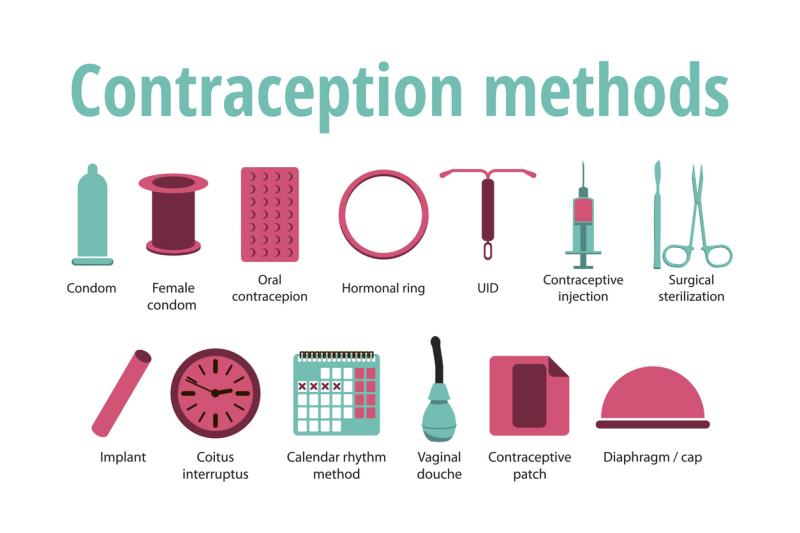
Modern contraception offers women many choices for preventing unintended pregnancy. From condoms and pills to IUDs, implants, patches, injections, and permanent contraception, each option has different benefits, effectiveness, and considerations. Malik Super Speciality Hospital is also a place where women can seek professional guidance about reproductive health, contraception choices, and family-planning concerns.
Understanding available contraception methods is the first step toward making an informed reproductive-health decision. Women should consider their individual needs and discuss their options with a qualified healthcare professional before starting, changing, or stopping contraception.
Remember that contraception should be selected based on individual health and circumstances, and condoms remain important when protection against sexually transmitted infections is needed.