- MALIK SUPER SPECIALITY HOSPITAL HANSI
- info@maliksuperspecialityhospital.com

Enlarged Prostate Treatment Options: A Complete Guide

Kidney-Friendly Diet Guide: Foods to Eat and Avoid for CKD
July 11, 2026
High Blood Pressure and Kidney Disease: Understanding the Connection
July 22, 2026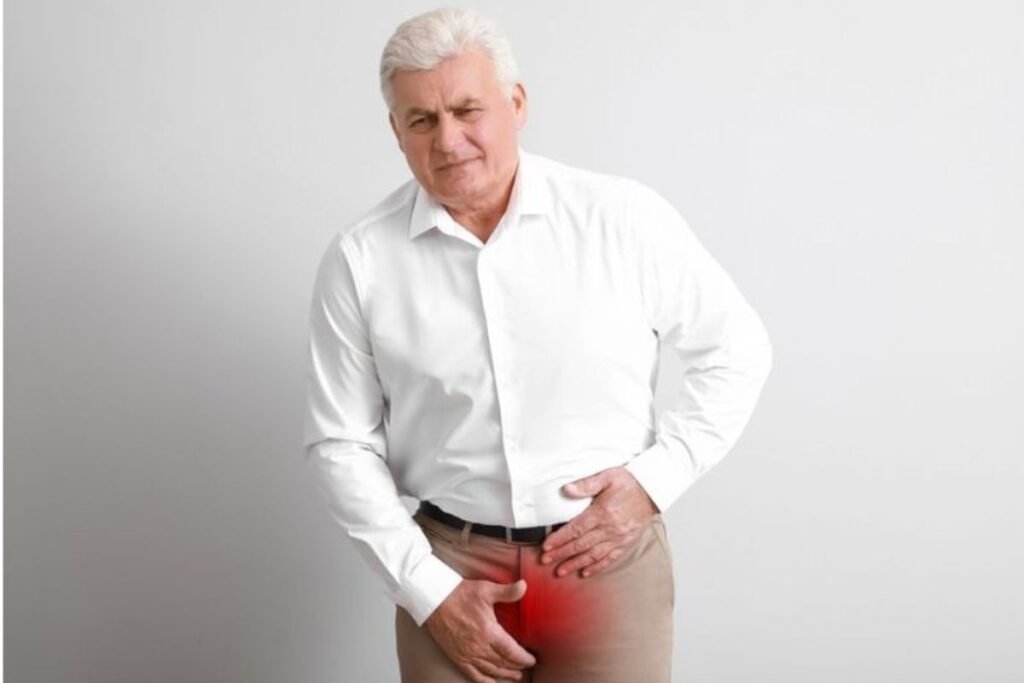
An enlarged prostate, medically known as Benign Prostatic Hyperplasia (BPH), affects millions of men as they age, typically becoming more common after age 50. While the condition is non-cancerous, its symptoms—frequent urination, weak urine flow, and difficulty emptying the bladder—can significantly impact quality of life. If you’re experiencing these symptoms, consulting a provider offering Best Urologist & Urology Care in Hansi can help ensure an accurate diagnosis and personalized treatment plan. Fortunately, there are several proven treatment options for enlarged prostate conditions, ranging from lifestyle changes and medications to minimally invasive procedures and surgery. This guide walks through the most effective approaches so you can have an informed conversation with your doctor.
Understanding BPH Before Choosing Treatment
Before diving into specific therapies, it’s worth understanding that treatment choice depends on symptom severity, prostate size, age, overall health, and personal preference. Doctors typically use the International Prostate Symptom Score (IPSS) to categorize symptoms as mild, moderate, or severe, which then guides the recommended treatment pathway.
1. Watchful Waiting: The First-Line Approach for Mild Symptoms
For men with mild symptoms that don’t significantly interfere with daily life, watchful waiting is often the recommended starting point. This approach involves regular monitoring by a healthcare provider without immediate medical or surgical intervention.
What Watchful Waiting Involves
- Annual or semi-annual check-ups to monitor prostate size and symptoms
- PSA (Prostate-Specific Antigen) testing to rule out other conditions
- Lifestyle modifications such as reducing caffeine and alcohol intake
- Bladder training exercises to improve urinary control
Who Benefits from Watchful Waiting
Men whose symptoms are mild and not bothersome are ideal candidates for watchful waiting. This strategy avoids the side effects associated with medications or surgery while still keeping the condition under medical supervision. If symptoms worsen during the watchful waiting period, doctors can transition patients to more active treatments like medication or minimally invasive procedures.
The appeal of watchful waiting lies in its simplicity and low risk—no drug interactions, no surgical complications, just careful observation. However, it requires commitment to regular follow-up appointments, since an enlarged prostate can progress over time even if symptoms currently feel manageable.
2. Alpha-Blockers: Fast Relief for Urinary Symptoms
When symptoms become more bothersome, alpha-blockers are usually the first medication doctors prescribe. Drugs like tamsulosin, alfuzosin, and silodosin work by relaxing the smooth muscles in the prostate and bladder neck, making it easier to urinate.
How Alpha-Blockers Work
Alpha-blockers don’t shrink the prostate itself; instead, they target the muscle tension that restricts urine flow. This means relief can be felt within days to a few weeks of starting treatment, making alpha-blockers a popular choice for men seeking quick symptom improvement.
Benefits of Alpha-Blockers
- Rapid onset of action compared to other medications
- Effective for men with prostates of any size
- Available in various formulations to minimize side effects
Potential Side Effects
Like all medications, alpha-blockers carry some risks, including dizziness, low blood pressure, and retrograde ejaculation. Despite these drawbacks, alpha-blockers remain one of the most commonly prescribed treatments due to their effectiveness and rapid symptom relief.
Many urologists start patients on alpha-blockers as monotherapy before considering combination treatments, especially if the prostate isn’t significantly enlarged. For men who don’t respond adequately, combining alpha-blockers with other classes of medication can enhance results.
3. 5-Alpha-Reductase Inhibitors: Shrinking the Prostate Long-Term
For men with larger prostates, medications alone that relax muscles may not be enough. This is where 5-alpha-reductase inhibitors, such as finasteride and dutasteride, come into play. Unlike alpha-blockers, these drugs work by blocking the hormone responsible for prostate growth, gradually shrinking the gland over several months.
How They Differ from Alpha-Blockers
While alpha-blockers provide quick symptom relief, 5-alpha-reductase inhibitors take a slower, more structural approach—directly reducing prostate volume rather than just easing urine flow. This makes them particularly effective for men with significantly enlarged prostates.
Combination Therapy
Many doctors prescribe 5-alpha-reductase inhibitors alongside alpha-blockers for a combined effect: immediate symptom relief plus long-term prostate shrinkage. Studies show this combination approach reduces the risk of BPH progression more effectively than either medication alone.
Considerations
These medications can take three to six months to show full effects, and possible side effects include reduced libido and erectile dysfunction. Nonetheless, for men wanting to avoid surgery, 5-alpha-reductase inhibitors combined with alpha-blockers offer a solid non-surgical pathway.
4. UroLift: A Minimally Invasive Alternative
When medications aren’t providing enough relief, or when a patient wants to avoid the side effects of long-term drug use, UroLift presents an appealing minimally invasive option. This in-office procedure uses small implants to lift and hold enlarged prostate tissue away from the urethra, relieving obstruction without cutting or removing tissue.
Why Choose UroLift
- No incisions, no general anesthesia required in many cases
- Preserves sexual function better than many surgical alternatives
- Quick recovery time, often within a few days
- Can be performed in an outpatient setting
The UroLift Procedure Explained
During a UroLift procedure, a physician inserts small implants that compress the enlarged prostate lobes, creating a wider channel for urine to flow. Because UroLift doesn’t involve tissue removal, it avoids many complications associated with traditional surgery, such as retrograde ejaculation.
Ideal Candidates for UroLift
Men with moderate BPH symptoms who want to avoid the risks of major surgery, while also wanting a longer-lasting solution than medication alone, are excellent candidates for UroLift. It’s especially popular among men concerned about preserving sexual function, since UroLift has a lower incidence of ejaculatory dysfunction compared to more invasive procedures.
5. TURP: The Gold Standard Surgical Treatment
For men with moderate to severe BPH symptoms who haven’t responded to medication or minimally invasive options, Transurethral Resection of the Prostate (TURP) remains the gold standard surgical treatment. This procedure has been performed for decades and has a strong track record of long-term symptom relief.
How TURP Works
During TURP, a surgeon inserts an instrument through the urethra to remove excess prostate tissue that’s blocking urine flow. No external incisions are needed, as the entire procedure is performed internally.
Benefits of TURP
- Significant, long-lasting improvement in urinary symptoms
- Decades of clinical data supporting its effectiveness
- Suitable for men with larger prostates who may not qualify for less invasive options
Recovery and Risks
Recovery from TURP typically involves a hospital stay of one to two days, followed by several weeks of at-home recovery. While TURP is highly effective, it does carry risks such as retrograde ejaculation, bleeding, and, in rare cases, urinary incontinence.
Newer Variations of TURP
Advances in technology have led to variations like laser TURP, which may reduce bleeding risk and shorten hospital stays compared to traditional TURP. Discussing these options with a urologist can help determine which variation of TURP best suits individual circumstances.
Choosing the Right Treatment Path
The journey typically begins with watchful waiting for mild cases, progresses to alpha-blockers for faster symptom control, and may include 5-alpha-reductase inhibitors for prostate shrinkage. When medications fall short, UroLift offers a minimally invasive bridge before considering TURP as a definitive surgical solution. Each option carries distinct benefits and trade-offs, making a personalized consultation with a urologist essential.
Conclusion
From watchful waiting to alpha-blockers, 5-alpha-reductase inhibitors, UroLift, and TURP, men facing an enlarged prostate have a range of treatment options tailored to symptom severity and personal health goals. For individuals seeking comprehensive care, consulting a specialist recognized as the Best General Surgeon Doctor in Hansi can help determine the most appropriate treatment approach based on their condition and overall health. Understanding how each approach works empowers patients to make informed decisions alongside their healthcare providers, ensuring the best possible outcome for long-term urinary health and quality of life.