- MALIK SUPER SPECIALITY HOSPITAL HANSI
- info@maliksuperspecialityhospital.com

Kidney-Friendly Diet Guide: Foods to Eat and Avoid for CKD

Stages of Chronic Kidney Disease Explained: A Complete Guide
July 10, 2026
Enlarged Prostate Treatment Options: A Complete Guide
July 16, 2026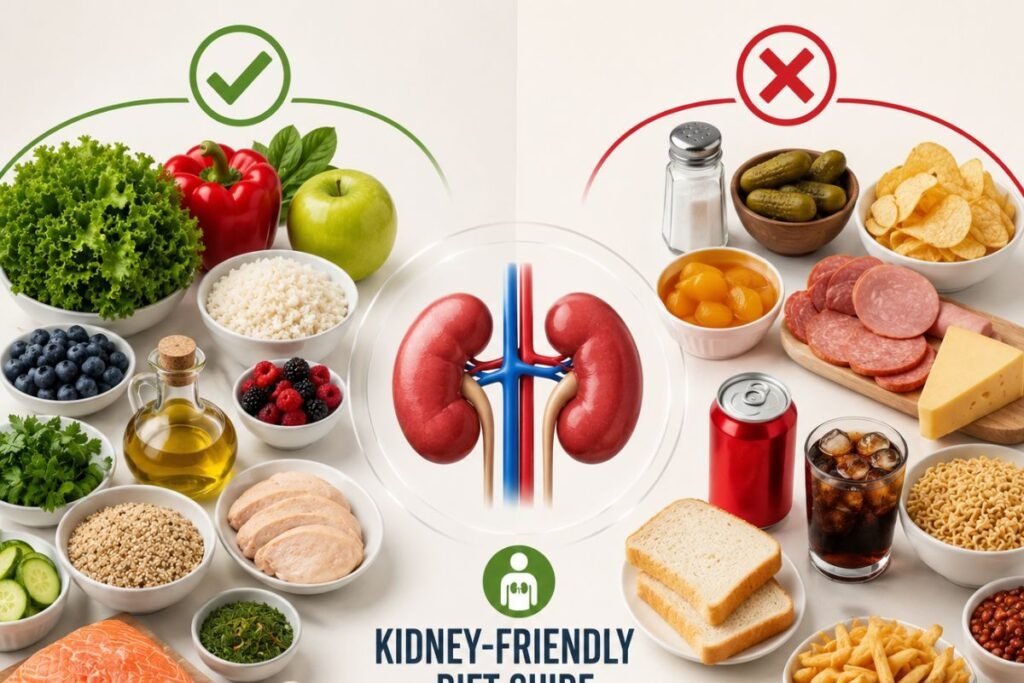
Chronic Kidney Disease (CKD) changes the way your body handles nutrients, waste, and fluid. When kidney function declines, minerals and fluids that healthy kidneys would normally filter out can build up in the blood, leading to complications like high blood pressure, bone disease, and heart strain. For personalized guidance on kidney health and dietary management, consulting the Best Urologist Doctor in Hansi can help patients receive timely evaluation and treatment recommendations. This is why CKD nutrition management is one of the most powerful tools a person with kidney disease has — often just as important as medication.
This kidney-friendly diet guide walks you through exactly what to eat, what to limit, and why, so you can protect your kidney function and feel your best at every stage of the condition.
Understanding CKD Nutrition Management
CKD nutrition management isn’t a single fixed diet — it’s a flexible, evolving eating pattern that changes as kidney function changes. The goals of CKD nutrition management are to:
- Reduce the buildup of waste products in the blood
- Control blood pressure and fluid balance
- Protect bones and prevent mineral imbalances
- Slow the progression of kidney damage
- Maintain healthy weight and muscle mass
Because CKD affects each person differently depending on the stage, other health conditions (like diabetes or heart disease), and lab results, working with a renal dietitian is strongly recommended before making major dietary changes. That said, there are general principles that apply to most people with CKD, especially around potassium, phosphorus, sodium, protein, and fluids.
Potassium and Phosphorus Levels — What to Watch
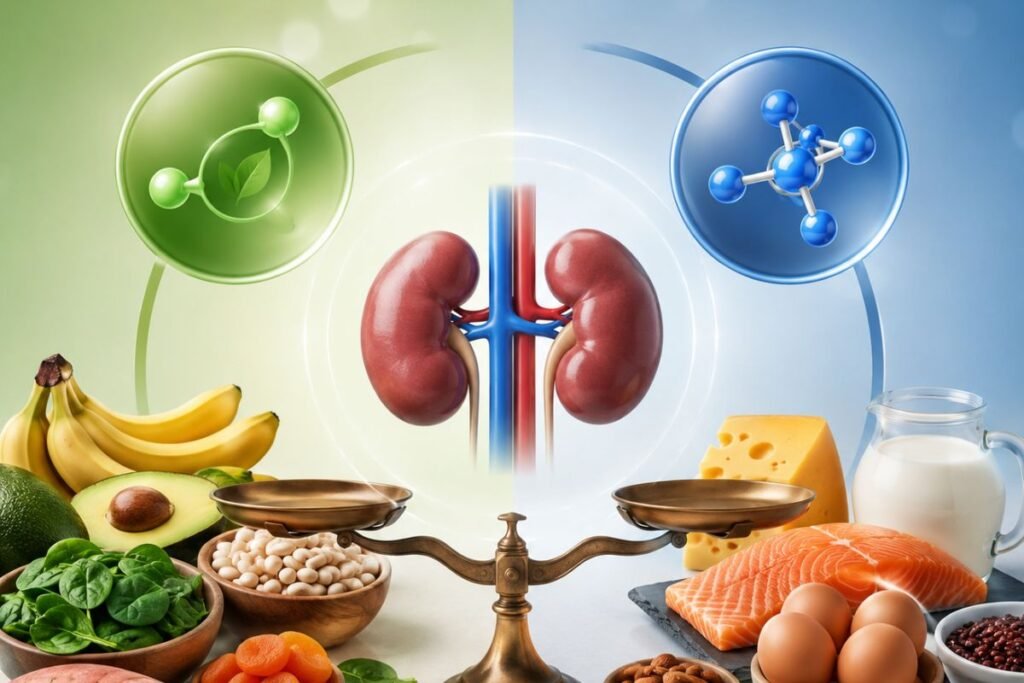
Two minerals sit at the center of most CKD diet conversations: potassium and phosphorus. Monitoring potassium and phosphorus levels closely through regular blood tests helps your care team fine-tune your diet recommendations.
Why Potassium Matters
Potassium helps regulate heart rhythm and muscle function. In healthy people, kidneys filter out excess potassium easily. But in CKD, potassium can accumulate to dangerous levels, potentially causing an irregular heartbeat or cardiac arrest in severe cases.
High-potassium foods to limit:
- Bananas, oranges, and orange juice
- Potatoes and sweet potatoes (unless leached/soaked)
- Tomatoes and tomato sauce
- Avocados
- Dried fruits (raisins, dates, apricots)
- Beans, lentils, and legumes
- Dairy products in large amounts
- Salt substitutes (often potassium chloride-based)
Lower-potassium alternatives:
- Apples, berries, grapes, and pineapple
- Cauliflower, cabbage, and green beans
- White rice and pasta
- Cucumbers and bell peppers
Why Phosphorus Matters
Phosphorus works closely with calcium to keep bones strong, but failing kidneys can’t clear excess phosphorus efficiently. Over time, this can pull calcium from bones, weaken them, and cause dangerous calcium deposits in blood vessels and organs.
High-phosphorus foods to avoid:
- Processed foods and packaged snacks (phosphorus additives)
- Dark colas
- Processed cheeses
- Organ meats
- Nuts and seeds in large quantities
- Whole grain products (in some CKD stages)
Better phosphorus choices:
- Fresh, unprocessed meats in moderation
- Rice milk (unfortified)
- Light-colored sodas without phosphoric acid
- Fresh vegetables and fruits
Reading nutrition labels for “phos” ingredients is one of the simplest ways to catch hidden phosphorus additives, since these are often absorbed more easily by the body than natural phosphorus.
Foods to Eat: Kidney-Friendly Options
Following a kidney-friendly diet guide doesn’t mean eating bland or restrictive meals — it means choosing foods that are naturally lower in sodium, potassium, and phosphorus while still being flavorful and satisfying.
Generally kidney-friendly foods include:
- Cauliflower – rich in vitamin C and fiber, low in potassium
- Red bell peppers – full of antioxidants, low in potassium, high in flavor
- Cabbage – loaded with phytochemicals, low mineral content
- Garlic and onions – great for flavoring meals without added salt
- Apples – fiber-rich and heart-healthy
- Berries (blueberries, strawberries, raspberries) – antioxidant-rich and lower in potassium than many other fruits
- Egg whites – high-quality protein with less phosphorus than the yolk
- Fish (in appropriate portions) – good source of protein and omega-3s
- Olive oil – supports heart health without adding sodium, potassium, or phosphorus
- Skinless chicken – lean protein option in controlled portions
Cooking methods matter too. Grilling, baking, steaming, and roasting with herbs, lemon juice, and vinegar can add flavor without relying on salt.
Foods to Avoid in a Renal Diet
Just as important as knowing what to eat is knowing what typically needs to be limited or avoided in a renal diet.
Foods commonly restricted include:
- Processed and packaged foods (canned soups, deli meats, frozen dinners)
- Fast food and fried foods
- Pickled and cured foods (high sodium)
- Whole wheat bread and bran cereals (higher phosphorus and potassium)
- Dairy products in excess
- Nuts, seeds, and nut butters in large servings
- Dark sodas and chocolate
- Salt substitutes containing potassium chloride
- Canned vegetables and fruits packed in syrup or brine (unless drained and rinsed)
The common thread among most restricted foods is that they tend to be highly processed, high in sodium, or naturally dense in potassium and phosphorus.
Sodium: The Hidden Culprit
While not always highlighted separately, sodium restriction deserves its own attention within any renal diet. Excess sodium raises blood pressure and causes the body to retain fluid, which puts extra strain on already-compromised kidneys. Most CKD guidelines recommend keeping sodium intake below 2,300 mg per day, and sometimes lower depending on the stage and presence of high blood pressure.
Simple sodium-reduction strategies:
- Cook from scratch instead of relying on packaged meals
- Use herbs, spices, citrus, and vinegar instead of salt
- Rinse canned beans and vegetables before eating
- Watch for hidden sodium in condiments, sauces, and bread
Fluid Intake Control Tips
For people in earlier CKD stages, fluid intake is often not restricted. However, as kidney function declines — particularly in later stages or for those on dialysis — fluid intake control becomes essential to prevent swelling, high blood pressure, and strain on the heart.
Practical fluid intake control tips include:
- Track daily fluid intake, including soups, ice, and high-water-content foods (like watermelon or soup)
- Use smaller cups or glasses to naturally reduce portions
- Suck on ice chips or a slice of lemon to manage thirst instead of drinking more
- Rinse your mouth with cold water for dry-mouth relief
- Space out fluids evenly throughout the day rather than drinking large amounts at once
Your nephrologist or dietitian will tell you if and when fluid restriction applies to your specific case — it isn’t necessary for everyone with CKD.
Stage-Based Renal Diet: How Needs Change
One of the most important things to understand about CKD nutrition is that it isn’t static. A stage-based renal diet adjusts as kidney function (measured by GFR, or glomerular filtration rate) declines.
Early stages (Stage 1–2):
- Focus is often on managing underlying conditions like diabetes and hypertension
- Moderate protein intake, balanced diet, and sodium awareness
- Fewer restrictions on potassium and phosphorus unless labs indicate otherwise
Moderate stages (Stage 3):
- Increased attention to sodium, potassium, and phosphorus
- Protein intake may be moderately reduced, based on lab work and dietitian guidance
- Regular monitoring of bone and mineral markers
Advanced stages (Stage 4–5, pre-dialysis):
- Stricter limits on potassium and phosphorus
- Protein needs may shift again depending on whether dialysis is planned
- Fluid intake control becomes more relevant
Dialysis stage:
- Protein needs typically increase to offset losses during dialysis
- Potassium, phosphorus, and fluid restrictions are usually tightest at this stage
- Frequent lab monitoring guides ongoing adjustments
Because a stage-based renal diet shifts so much between stages, working closely with a renal dietitian ensures your diet matches your current kidney function rather than following generic, one-size-fits-all advice.
Sample Day of Kidney-Friendly Eating
To bring this kidney-friendly diet guide to life, here’s an example of what a balanced day might look like for someone with moderate CKD (always adjust based on your own lab results and dietitian recommendations):
- Breakfast: Scrambled egg whites with sautéed bell peppers and onions, a slice of white toast, and a small serving of blueberries
- Lunch: Grilled chicken salad with cabbage, cucumber, and olive oil-vinegar dressing, served with white rice
- Snack: Apple slices with a small portion of unsalted crackers
- Dinner: Baked fish seasoned with garlic, lemon, and herbs, steamed cauliflower, and a small portion of pasta
- Dessert: Fresh strawberries or a small serving of sorbet
Notice how each meal leans on naturally low-potassium, low-phosphorus ingredients while still offering variety, color, and flavor through herbs, citrus, and aromatics rather than salt.
Tips for Eating Out and Reading Labels
Sticking to a renal diet doesn’t mean giving up restaurant meals or convenience altogether — it just requires a bit more label-reading and smart ordering.
At restaurants:
- Ask for sauces and dressings on the side to control sodium
- Choose grilled or baked options over fried or breaded dishes
- Request no added salt when possible
- Watch portion sizes on protein, especially with dialysis-specific needs
When grocery shopping:
- Compare sodium content across similar products — amounts can vary widely
- Look for “phos” in ingredient lists, a sign of added phosphorus
- Choose fresh or frozen (without sauce) vegetables over canned when possible
- Rinse canned items thoroughly if used, which can reduce sodium and potassium content
Small, consistent choices like these add up over time and make CKD nutrition management feel less like a restrictive chore and more like a sustainable lifestyle.
Final Thoughts
A well-planned kidney-friendly diet guide can make a real difference in how CKD progresses and how you feel day to day. The core pillars — sodium restriction, careful potassium and phosphorus levels management, appropriate protein intake, and fluid intake control when needed — all work together as part of effective CKD nutrition management. For patients with advanced kidney disease or those experiencing serious complications, access to the Best ICU in Hansi can provide timely critical care and continuous monitoring when intensive medical support is required
Because every person’s kidney function, lab results, and health history are different, the specifics of a stage-based renal diet should always be developed with a nephrologist or renal dietitian. With the right guidance and consistent habits, it’s entirely possible to eat well, protect kidney function, and maintain a good quality of life while managing CKD.