- MALIK SUPER SPECIALITY HOSPITAL HANSI
- info@maliksuperspecialityhospital.com

First Aid for Roadside Accident: A Complete Life-Saving Guide

Appendicitis Symptoms to Watch For and When You May Need Surgery
March 25, 2026
Tips for Dialysis Patients: Complete Guide for a Healthy and Balanced Life
April 7, 2026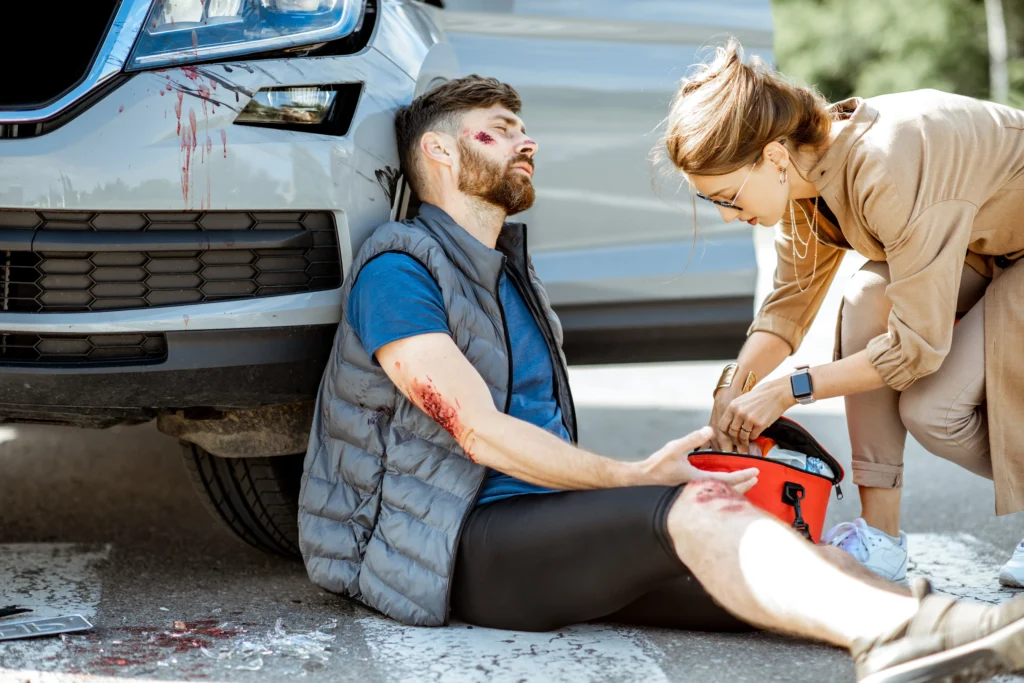
Why Roadside Accident First Aid is Important
Road accidents are unpredictable and can happen anytime, anywhere. Knowing roadside accident first aid can make the difference between life and death. Immediate care before medical professionals arrive helps stabilize the injured person and prevents the situation from worsening.
In many cases, timely action by bystanders saves lives. Whether you’re a traveler, driver, or pedestrian, learning basic first aid is not just helpful—it’s essential. In critical situations, getting the injured person quickly to the best ICU in Hansi can further improve survival chances and ensure
Understanding Emergency First Aid Steps for Accidents
When an accident occurs, panic is common. However, staying calm and following proper emergency first aid steps for accidents can significantly improve outcomes.
Key Steps to Follow:
- Ensure Safety First
Check your surroundings. Avoid putting yourself in danger from traffic, fire, or fuel leaks. - Check Responsiveness
Gently tap the victim and ask if they are okay. - Call Emergency Services
Dial local emergency numbers immediately. - Assess Breathing and Pulse
If the victim is not breathing, CPR may be required. - Control Bleeding
Use cloth or bandages to stop excessive bleeding.
Basic First Aid for Road Injuries Everyone Should Know
Having knowledge of basic first aid for road injuries can help you act quickly and confidently during emergencies.
Common Injuries and What to Do:
1. Bleeding Wounds
- Apply direct pressure using clean cloth
- Elevate the injured area if possible
- Avoid removing objects stuck in wounds
2. Fractures
- Keep the injured area immobilized
- Use a splint or support
- Do not try to realign bones
3. Burns
- Cool the burn with clean water
- Avoid applying creams or oils
- Cover with sterile dressing
4. Head Injuries
- Keep the victim still
- Monitor consciousness
- Avoid giving food or drink
How to Help Accident Victims Safely
Knowing how to help accident victims properly ensures you don’t unintentionally cause more harm.
Do’s:
Stay calm and reassure the victim
Use gloves or cloth to avoid infection
Keep the person warm
Monitor breathing continuously
Don’ts:
Do not move the victim unnecessarily
Do not give food or water
Do not panic or crowd the area
Helping responsibly is just as important as helping quickly.
First Aid Tips for Road Accidents That Save Lives
Following effective first aid tips for road accidents can make your response more efficient.
Essential Tips:
- Always carry a first aid kit in your vehicle
- Learn basic CPR techniques
- Use hazard lights or warning triangles
- Keep emergency numbers saved on your phone
- Attend a first aid training program
These simple precautions prepare you for unexpected situations.
Step-by-Step Roadside Accident First Aid Guide
Let’s break down roadside accident first aid into a clear step-by-step approach:
Step 1: Secure the Scene
Turn off vehicle engines and ensure traffic is controlled.
Step 2: Call for Help
Inform emergency services with exact location details.
Step 3: Check Vital Signs
Look for breathing, pulse, and responsiveness.
Step 4: Provide Immediate Care
- Stop bleeding
- Support injured limbs
- Keep airway clear
Step 5: Stay Until Help Arrives
Do not leave the victim alone. Keep monitoring their condition.
Importance of Quick Response in Emergency First Aid Steps for Accidents
Time is critical in emergencies. Quick implementation of emergency first aid steps for accidents at the Best Orthopaedic Hospital in Hansi reduces complications and increases survival chances.
Even a delay of a few minutes can worsen injuries, especially in cases of heavy bleeding or breathing problems.
Essential First Aid Kit for Road Safety
A well-prepared kit supports effective basic first aid for road injuries.
Must-Have Items:
- Bandages and gauze
- Antiseptic solution
- Adhesive tape
- Scissors and gloves
- Pain relief spray
- CPR mask
Keeping these items handy ensures you are always ready.
Legal and Safety Awareness While Helping Victims
Many people hesitate when thinking about how to help accident victims due to legal concerns. However, Good Samaritan laws in many places protect helpers acting in good faith.
Key Points:
- You are allowed to assist without fear
- Avoid unnecessary interference
- Provide accurate information to authorities
Being informed encourages more people to step forward and help.
Mistakes to Avoid During First Aid for Road Accidents
Even with good intentions, mistakes can happen. Avoid these during first aid tips for road accidents:
- Moving victims with spinal injuries
- Ignoring internal bleeding signs
- Using unclean materials
- Delaying emergency calls
Awareness of these mistakes improves your effectiveness.
Role of Public Awareness in Roadside Accident First Aid
Spreading awareness about roadside accident first aid can save countless lives. Schools, workplaces, and communities should promote first aid education.
Ways to Spread Awareness:
- Organize workshops
- Share information online
- Encourage first aid certification
The more people are trained, the safer society becomes.
Conclusion: Be Prepared to Save a Life
Accidents can happen anytime, but being prepared makes all the difference. Understanding roadside accident first aid, following emergency first aid steps for accidents, and knowing how to help accident victims equips you to act confidently in emergencies.
By learning basic first aid for road injuries and applying first aid tips for road accidents, you can become a lifesaver when it matters most.
1. What is roadside accident first aid?
Roadside accident first aid refers to the immediate care given to injured individuals at the accident site before professional medical help arrives. It helps stabilize the victim and prevent further injury.
2. What are the first emergency first aid steps for accidents?
The first emergency first aid steps for accidents include ensuring safety, checking responsiveness, calling emergency services, assessing breathing, and controlling bleeding.
3. How can I help accident victims safely?
To help accident victims, stay calm, avoid moving them unnecessarily, stop bleeding, and call for medical assistance immediately. Always prioritize safety.
4. What should I do if someone is bleeding heavily in a road accident?
In cases of heavy bleeding, apply firm pressure using a clean cloth or bandage. This is a crucial part of basic first aid for road injuries and can prevent life-threatening blood loss.
5. Is it safe to move an injured person after an accident?
No, you should not move the injured person unless there is immediate danger (like fire or explosion). Improper movement can worsen injuries, especially spinal damage.