- MALIK SUPER SPECIALITY HOSPITAL HANSI
- info@maliksuperspecialityhospital.com

When Should You See a Urologist Near Me? A Complete Guide to Urological Health

World No Tobacco Day: Raising Awareness for a Healthier, Tobacco-Free Future
May 30, 2026
Menopause: Everything You Need to Know About Symptoms, Causes, and Treatment
June 12, 2026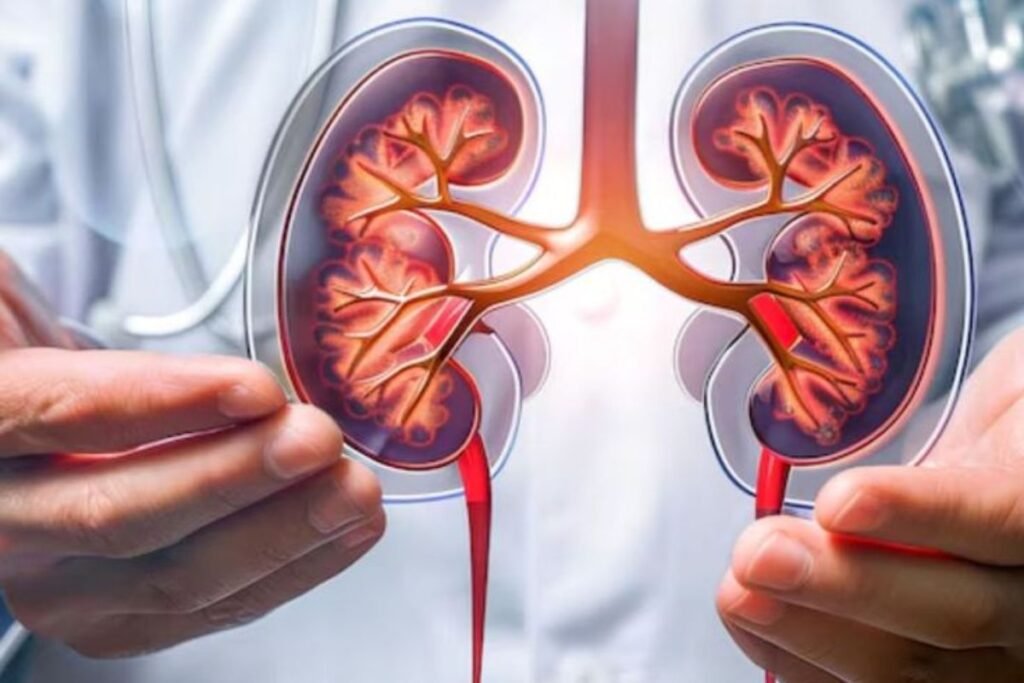
Most people ignore urinary or reproductive health concerns far longer than they should. Whether it is a dull ache in the lower back, a burning sensation while urinating, or concerns about fertility, these symptoms often have a clear medical cause — and a urologist near me can help diagnose and treat them effectively. Seeking timely advice from the Best Urologist Doctor in Hansi can make a significant difference in identifying underlying issues before they become more serious. This guide walks you through everything you need to know about urology, common conditions, and when it is time to book an appointment.
What Does a Urologist Do?
A urologist is a medical specialist trained to diagnose and treat conditions of the urinary tract in both men and women, as well as the male reproductive system. From kidney stone treatment to managing chronic bladder problems, urologists handle a wide range of health issues that can significantly affect your quality of life.
Urology is a surprisingly broad field. A urologist may perform minimally invasive surgery, prescribe medications, or guide patients through lifestyle changes — all depending on the condition at hand. Patients are often referred to a urologist by their primary care doctor, but you can also seek a consultation directly if you are experiencing persistent symptoms.
6 Common Conditions That Require a Urologist
1. Kidney Stones
Kidney stones are one of the most painful urological conditions a person can experience. They form when minerals and salts crystallize inside the kidneys and can cause severe pain, blood in the urine, and difficulty urinating.
Kidney stone treatment depends on the size and location of the stone. Small stones often pass on their own with increased fluid intake and pain management. Larger stones may require procedures such as shock wave lithotripsy (breaking the stone with sound waves), ureteroscopy, or in rare cases, surgery.
If you have experienced sharp pain in your side or back, nausea, or noticed pink or brown urine, do not wait — see a urologist near me as soon as possible. Early kidney stone treatment can prevent serious complications such as kidney infections or long-term damage.
2. Urinary Tract Infections (UTIs)
A urinary tract infection occurs when bacteria enter the urethra and multiply in the urinary system. While UTIs are more common in women, men can get them too — and recurring UTIs in either gender often signal an underlying issue that deserves professional attention.
Symptoms include a frequent urge to urinate, a burning sensation, cloudy or strong-smelling urine, and pelvic discomfort. A UTI specialist can run urine cultures, identify the specific bacteria causing the infection, and prescribe targeted antibiotics. More importantly, a UTI specialist will investigate why the infections keep coming back — whether due to kidney stones, structural abnormalities, or other factors.
Ignoring repeated UTIs can allow the infection to travel to the kidneys, leading to a more serious condition called pyelonephritis. Getting proper care from a UTI specialist early makes a real difference.
3. Prostate Problems
The prostate is a small gland that sits below the bladder in men. As men age, prostate issues become increasingly common. The three most frequent concerns are:
- Benign Prostatic Hyperplasia (BPH): A non-cancerous enlargement of the prostate that causes difficulty urinating, weak urine flow, and frequent nighttime trips to the bathroom.
- Prostatitis: Inflammation or infection of the prostate, often causing pelvic pain and urinary symptoms.
- Prostate Cancer: One of the most common cancers in men, often detected through a PSA blood test or digital rectal exam.
A prostate treatment doctor will evaluate your symptoms, run appropriate tests, and guide you toward the best treatment plan — whether that is medication, minimally invasive procedures, radiation therapy, or active surveillance for slow-growing cancers.
Men over 50 — or over 40 with a family history of prostate cancer — should have regular check-ups with a prostate treatment doctor. Early detection dramatically improves outcomes.
4. Bladder Problems
Bladder issues are more common than most people realize, and they affect both men and women. Symptoms can range from mild inconvenience to significant disruption of daily life.
Common bladder conditions include:
- Overactive Bladder (OAB): A sudden, uncontrollable urge to urinate, sometimes leading to incontinence.
- Bladder Infections: Bacterial infections confined to the bladder.
- Interstitial Cystitis: Chronic bladder pain and pressure without an identifiable infection.
- Bladder Cancer: Less common but important to detect early; symptoms include blood in the urine.
A bladder problem specialist can perform cystoscopy (a camera examination of the bladder), urodynamic testing, and imaging to pinpoint the exact cause of your symptoms. Treatments range from pelvic floor therapy and medication to surgical intervention. A bladder problem specialist is also the right person to consult if you have been experiencing unexplained pelvic pain or recurring infections.
5. Male Infertility
Infertility affects approximately one in six couples, and in nearly half of all cases, the issue lies with the male partner. Yet many men delay seeking help due to stigma or lack of awareness about treatment options.
A male infertility doctor — often a urologist with specialized training in reproductive medicine — evaluates sperm count, motility, morphology, and hormonal balance. Common causes of male infertility include:
- Varicocele (enlarged veins in the scrotum)
- Hormonal imbalances
- Blockages in the reproductive tract
- Genetic conditions
- Lifestyle factors such as smoking, excessive alcohol, or heat exposure
A male infertility doctor can treat many of these causes effectively. Varicocele repair, for example, is a minor surgical procedure that has been shown to significantly improve sperm parameters and natural conception rates. Hormone therapy, assisted reproductive technologies, and lifestyle counseling are also part of the toolkit.
If you and your partner have been trying to conceive for over a year without success (or six months if the female partner is over 35), consulting a male infertility doctor is a smart next step.
6. Erectile Dysfunction and Sexual Health
Erectile dysfunction (ED) is another condition that brings many men to a urologist. While often associated with psychological factors, ED frequently has a physical cause — including vascular disease, hormonal imbalance, nerve damage, or medication side effects.
A urologist near me who specializes in men’s sexual health can investigate the root cause and recommend treatments ranging from oral medications and vacuum devices to penile injections or prosthetic surgery in severe cases.
When Should You See a Urologist?
You should consider booking an appointment with a urologist near me if you experience any of the following:
- Blood in your urine (even once)
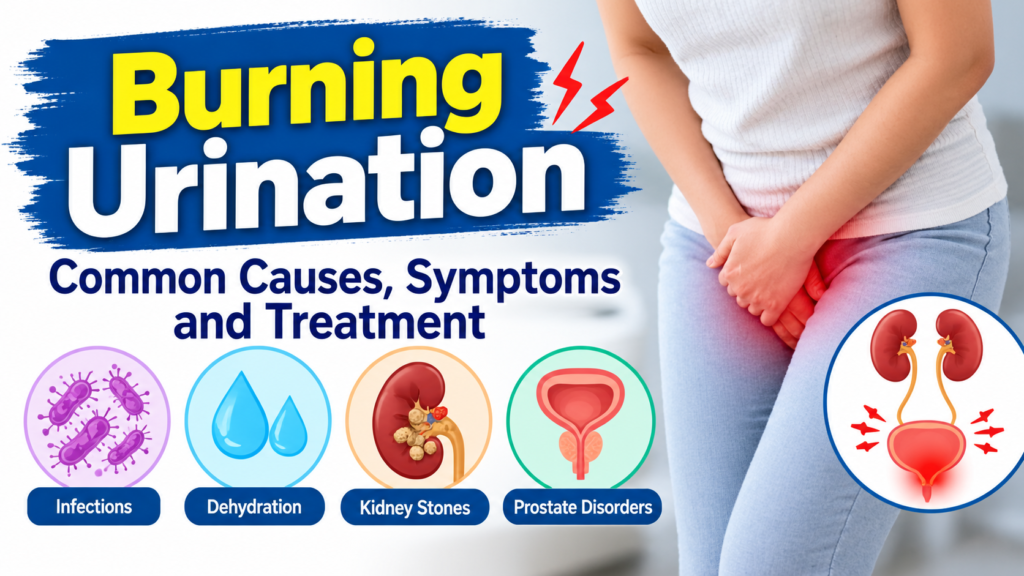
- Pain or burning during urination
- Frequent urinary tract infections
- Difficulty starting or stopping urination
- Feeling that your bladder never fully empties
- Pain in the lower back, side, or groin
- Pelvic pain or pressure
- Swelling or lumps in the testicles
- Concerns about fertility or sexual health
- A family history of kidney stones, prostate cancer, or bladder cancer
Do not wait until symptoms become severe. Many urological conditions are far easier — and less expensive — to treat when caught early.
How to Find the Right Urologist
Finding the right specialist matters. Here are a few tips when searching for a urologist near me:
Check credentials: Look for a board-certified urologist who completed an accredited residency program. Sub-specialty training in areas like kidney stone treatment, oncology, or male infertility is a bonus if your condition is specific.
Read patient reviews: Online reviews give you a sense of the doctor’s bedside manner, wait times, and communication style.
Ask for referrals: Your primary care physician is often the best source of trusted referrals within your local healthcare network.
Consider the clinic’s technology: Modern urological care involves advanced imaging, minimally invasive procedures, and robotic surgery. Choose a clinic equipped with up-to-date tools.
Communication matters: A good urologist will take time to explain your condition, walk you through treatment options, and answer your questions without making you feel rushed.
Taking Control of Your Urological Health
Urological health is an essential part of overall wellbeing — yet it remains one of the most overlooked areas of preventive care. Whether you need kidney stone treatment, are struggling with bladder problems, want guidance from a prostate treatment doctor, or are consulting a male infertility doctor, getting the right specialist involved early can make a profound difference in your health outcomes.
If you have been putting off addressing urinary symptoms, recurring infections, or reproductive health concerns, now is the time to act. Search for a trusted urologist near me, book a consultation, and take that first step toward better health. Your kidneys, bladder, and overall quality of life will thank you.
Conclusion
Your urological health deserves the same attention as any other part of your body. Whether you need kidney stone treatment, help from a UTI specialist, guidance from a prostate treatment doctor, support from a bladder problem specialist, or advice from a male infertility doctor — the right care is available. Many urological conditions can also be linked to broader health concerns that require evaluation through a well-equipped Medicine Department, ensuring comprehensive diagnosis and treatment. Do not ignore warning signs or delay treatment out of hesitation. Finding a trusted urologist near me is the first and most important step toward lasting relief and better quality of life. Book your consultation today — because your health is always worth prioritizing.