- MALIK SUPER SPECIALITY HOSPITAL HANSI
- info@maliksuperspecialityhospital.com

The Importance of Regular Kidney Function Tests

Kidney Function Test and When It Is Needed: A Complete Guide
June 25, 2026
Signs You Need to See a Nephrologist: A Complete Guide to Kidney Health
July 4, 2026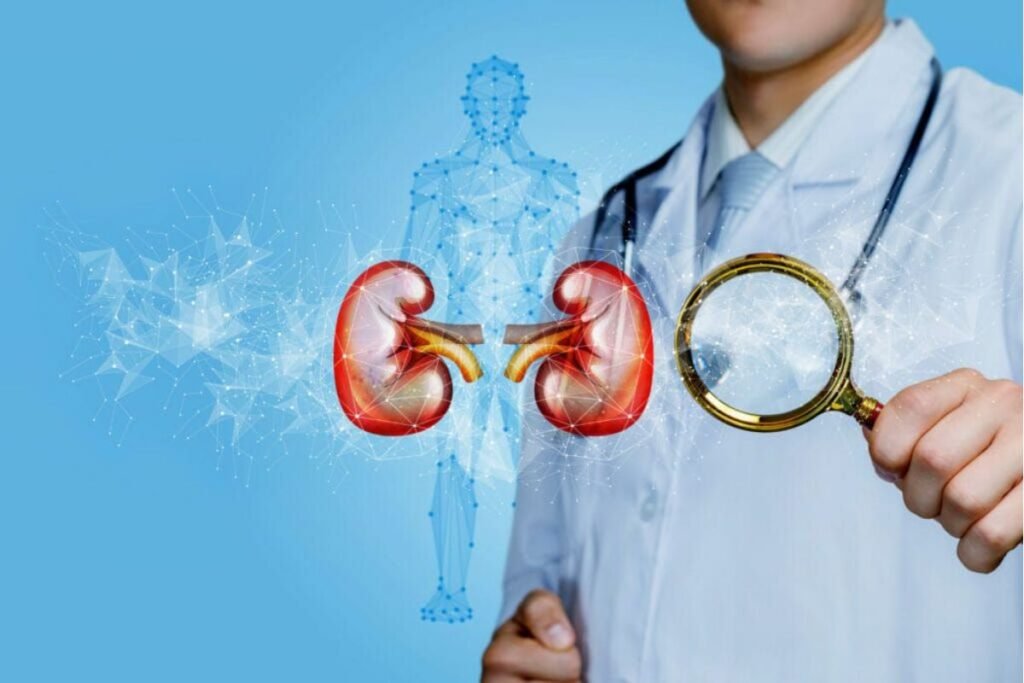
Your kidneys are among the hardest-working organs in your body. Every day, they filter waste products, remove excess fluids, balance electrolytes, regulate blood pressure, and help produce red blood cells. Despite their critical role, kidney diseases often develop silently, showing few or no symptoms until significant damage has already occurred. If you notice symptoms such as frequent urination, blood in the urine, persistent swelling, or unexplained fatigue, consulting the Best Urologist Doctor in Hansi can help ensure timely diagnosis and appropriate treatment. This is why undergoing a Kidney Function Test on a regular basis is one of the most effective ways to monitor your kidney health, detect problems early, and protect your overall well-being.
Many people believe that kidney tests are only necessary when symptoms appear. However, conditions such as diabetes, high blood pressure, obesity, and a family history of kidney disease can increase the risk of kidney damage without noticeable warning signs. Understanding the Importance of Kidney Function Test helps individuals take preventive measures before complications arise. A routine Kidney Health Checkup can identify early changes in kidney function, allowing timely treatment and better long-term outcomes.
What Is a Kidney Function Test?
A Kidney Function Test is a group of laboratory tests used to evaluate how well your kidneys are performing their essential functions. These tests measure the kidneys’ ability to filter waste products from the blood and maintain the body’s fluid and mineral balance.
A typical Kidney Function Test includes:
- Serum Creatinine Test
- Blood Urea Nitrogen (BUN)
- Estimated Glomerular Filtration Rate (eGFR)
- Urine Albumin Test
- Urinalysis
- Electrolyte Levels
Together, these tests provide doctors with valuable information about kidney health and help detect early signs of kidney disease before symptoms become severe.
Why Are Kidneys So Important?
Healthy kidneys perform several life-sustaining functions, including:
- Filtering waste and toxins from the blood
- Removing excess water through urine
- Maintaining electrolyte balance
- Regulating blood pressure
- Supporting healthy bones
- Producing hormones that stimulate red blood cell production
Because these organs work continuously, even minor damage can gradually affect overall health. This is one of the biggest reasons why the Importance of Kidney Function Test cannot be overlooked.
The Importance of Regular Kidney Function Tests
Regular Kidney Function Test screening plays a vital role in preventive healthcare. Many kidney conditions progress slowly without causing pain or obvious symptoms. Early testing allows healthcare providers to detect problems before irreversible damage occurs.
Some major benefits include:
Early Detection of Kidney Disease
One of the greatest advantages of a Kidney Function Test is identifying kidney disease in its earliest stages. Early diagnosis often means treatment can slow or even prevent disease progression.
Monitoring Chronic Conditions
People with diabetes or hypertension should schedule regular Kidney Health Checkup appointments because these conditions are the leading causes of chronic kidney disease.
Routine testing helps doctors monitor kidney function and adjust treatment plans if necessary.
Preventing Kidney Failure
When kidney problems are detected early, lifestyle modifications and medications can significantly reduce the risk of kidney failure.
Ignoring the Signs You Need a Kidney Function Test may allow kidney disease to progress silently until dialysis or transplantation becomes necessary.
Evaluating Medication Effects
Certain medications, including painkillers, antibiotics, and chemotherapy drugs, may affect kidney function.
Regular Kidney Function Test monitoring helps ensure medications are not causing harmful side effects.
Maintaining Overall Health
Healthy kidneys contribute to healthy blood pressure, proper hydration, and balanced minerals in the body. Regular testing supports long-term wellness.
Who Should Get Regular Kidney Function Tests?
Although everyone can benefit from periodic screening, some individuals require more frequent Kidney Health Checkup visits.
These include people with:
- Diabetes
- High blood pressure
- Heart disease
- Obesity
- Family history of kidney disease
- Kidney stones
- Frequent urinary tract infections
- Autoimmune diseases
- Age above 60 years
- Long-term use of painkillers
Doctors may recommend an annual Kidney Function Test for individuals in these high-risk groups.
Signs You Need a Kidney Function Test
Kidney disease often develops quietly, but certain symptoms should never be ignored.
Common Signs You Need a Kidney Function Test include:
Persistent Fatigue
Poor kidney function causes waste products to build up in the bloodstream, leading to tiredness and weakness.
Swelling
Fluid retention in the legs, feet, ankles, or face may indicate reduced kidney function.
Changes in Urination
Watch for:
- Frequent urination
- Reduced urine output
- Foamy urine
- Blood in urine
- Painful urination
These are common Signs You Need a Kidney Function Test and should be evaluated promptly.
High Blood Pressure
Damaged kidneys struggle to regulate blood pressure, while uncontrolled hypertension further damages the kidneys.
Loss of Appetite
Accumulation of toxins can cause nausea, poor appetite, and weight loss.
Muscle Cramps
Electrolyte imbalances caused by kidney disease often lead to painful muscle cramps.
Common Kidney Function Tests Explained
Serum Creatinine
Creatinine is a waste product produced by muscles. Elevated levels suggest reduced kidney filtration.
Blood Urea Nitrogen (BUN)
BUN measures nitrogen waste in the bloodstream. High levels may indicate kidney dysfunction.
Estimated Glomerular Filtration Rate (eGFR)
eGFR estimates how effectively your kidneys filter blood.
An eGFR below 60 for several months may indicate chronic kidney disease.
Urine Albumin Test
This test detects protein leakage into urine, often one of the earliest signs of kidney damage.
Urinalysis
Urinalysis checks for blood, protein, bacteria, glucose, and other abnormalities that may indicate kidney disease.
How Often Should You Get a Kidney Health Checkup?
The frequency of a Kidney Health Checkup depends on your age and health status.
General recommendations include:
- Healthy adults: Every 1–2 years
- People with diabetes: At least once a year
- High blood pressure patients: Every year
- Chronic kidney disease patients: As advised by a doctor
- Seniors above 60 years: Annual screening
Your healthcare provider may recommend more frequent Kidney Function Test evaluations based on your medical history.
How to Keep Your Kidneys Healthy
Maintaining healthy kidneys requires simple but consistent lifestyle habits.
You can reduce your risk of kidney disease by:
- Drinking adequate water
- Controlling blood sugar
- Managing blood pressure
- Exercising regularly
- Eating less salt
- Limiting processed foods
- Avoiding smoking
- Reducing alcohol intake
- Maintaining a healthy weight
- Getting regular Kidney Health Checkup appointments
Conclusion
Your kidneys work around the clock to keep your body healthy, but kidney disease often develops silently without noticeable symptoms. This makes regular Kidney Function Test screenings an essential part of preventive healthcare. Whether you have diabetes, high blood pressure, a family history of kidney disease, or simply want to stay proactive about your health, routine testing can help detect problems early and prevent serious complications.
Understanding the Importance of Kidney Function Test empowers you to take control of your well-being before symptoms become severe. A timely Kidney Health Checkup can identify changes in kidney function, allowing doctors to recommend lifestyle modifications, medications, or further treatment when needed. Ignoring the Signs You Need a Kidney Function Test may delay diagnosis and increase the risk of chronic kidney disease or kidney failure.