- MALIK SUPER SPECIALITY HOSPITAL HANSI
- info@maliksuperspecialityhospital.com

Cervical Cancer Explained: Symptoms, Stages, Causes and Treatment

Painkillers and Kidney Health: Safe Use and Possible Risks
September 3, 2026
What Is Cervical Cancer? A Complete Guide for Women’s Health
September 11, 2026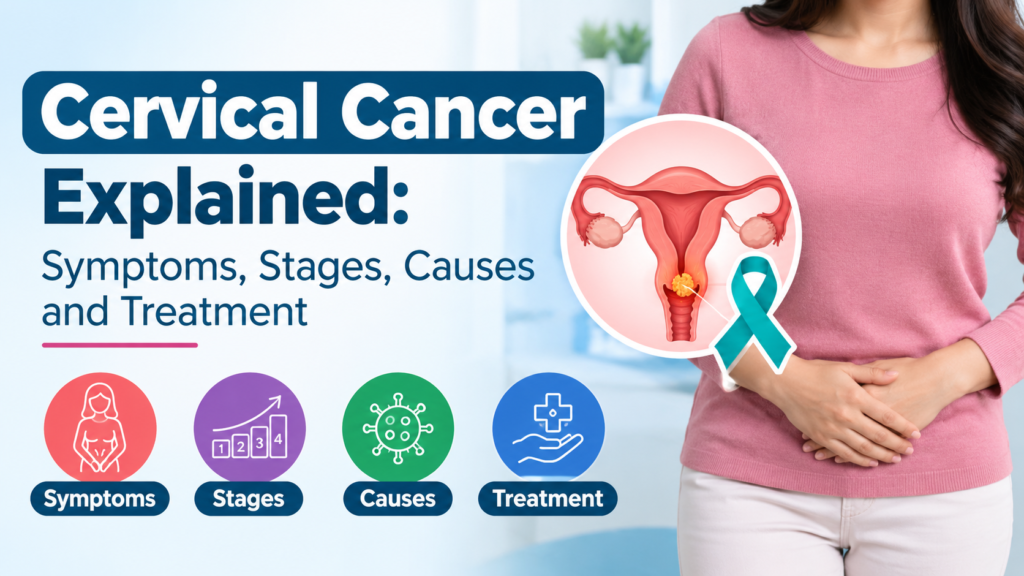
Cervical Cancer is a type of cancer that develops in the cells of the cervix, the lower part of the uterus that connects to the vagina. It can develop gradually, often starting with abnormal changes in cervical cells that may be detected through routine screening. In many cases, early stages may not cause noticeable symptoms, which makes regular screening important for women. Early diagnosis and timely treatment can significantly improve treatment outcomes and help prevent the disease from progressing to advanced stages. Understanding the causes, warning signs, risk factors, and available treatment options can help women take timely action for their health.
Women looking for professional guidance about reproductive and women’s health can consult the best gynaecologist & obstetrician in Hansi for appropriate evaluation, screening, and medical care. Regular check-ups, recommended screening tests, HPV vaccination, and timely consultation can support better reproductive health and help identify cervical abnormalities at an early stage.
What Is Cervical Cancer?
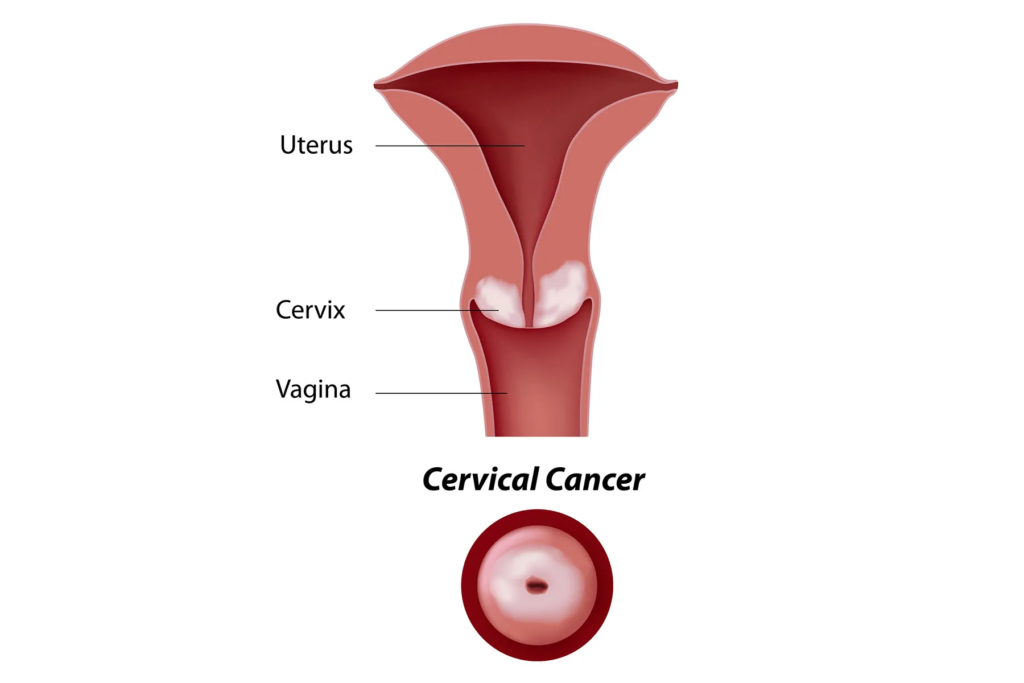
Cervical Cancer develops when cells in the cervix begin to grow abnormally and uncontrollably. Over time, these abnormal cells can form a tumor and may spread to nearby tissues or other parts of the body if not treated.
The cervix plays an important role in the female reproductive system. Maintaining good cervix health through regular medical check-ups and recommended screening can help identify abnormal changes at an early stage.
One of the most important causes associated with cervical cancer is persistent infection with certain high-risk types of human papillomavirus (HPV). HPV is a common viral infection that can spread through intimate skin-to-skin contact. In many people, the immune system clears the infection naturally, but persistent high-risk HPV infection can cause cellular changes.
Common Symptoms
In its early stages, Cervical Cancer may not cause noticeable symptoms. This is one reason routine screening is important. As the disease progresses, some people may experience:
- Unusual vaginal bleeding
- Bleeding after sexual intercourse
- Bleeding between menstrual periods
- Menstrual periods that become heavier or longer
- Unusual or watery vaginal discharge
- Pelvic pain
- Pain during sexual intercourse
- Back or lower abdominal discomfort
- Unexplained tiredness in advanced disease
These symptoms can also occur because of other medical conditions, so experiencing one does not automatically mean cancer. However, persistent or unusual symptoms should be evaluated by a healthcare professional.
Causes and Risk Factors
Persistent infection with high-risk HPV is the major risk factor for developing Cervical Cancer. However, several other factors can increase the likelihood of abnormal cervical cell changes.
Important risk factors may include:
- Persistent high-risk HPV infection
- Smoking or tobacco exposure
- A weakened immune system
- Long-term use of certain hormonal contraceptives
- Having multiple sexual partners
- Early sexual activity
- Previous abnormal cervical cell changes
- Lack of regular cervical screening
Not everyone with these risk factors develops cancer. Preventive healthcare, HPV vaccination, and appropriate screening can help reduce risk.
Understanding Abnormal Pap Smear Results
A Pap smear is a screening test used to identify abnormal cells in the cervix. An abnormal pap smear does not necessarily mean that a person has cancer. It may indicate changes that require monitoring, repeat testing, HPV testing, or further examination.
Depending on the result, a doctor may recommend additional tests such as HPV testing or colposcopy. Following medical advice after an abnormal pap smear is important because detecting cellular changes early can allow treatment before they become more serious.
Stages of Cervical Cancer
Doctors use stages to understand how far Cervical Cancer has developed and whether it has spread.
Stage 0
At this stage, abnormal or precancerous cells are present but have not invaded deeper tissues. This stage is sometimes referred to as carcinoma in situ.
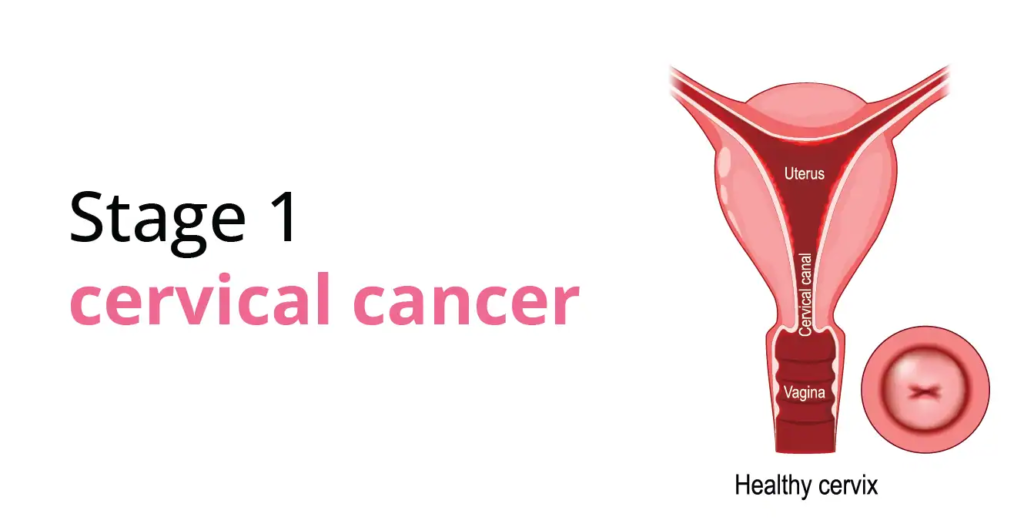
Stage I
The cancer has developed in the cervix but remains limited to this area. Treatment at an early stage can often have better outcomes.
Stage II
The cancer has spread beyond the cervix and uterus but has not reached the pelvic wall or the lower part of the vagina.
Stage III
At this stage, the disease has spread further into nearby tissues and may involve the pelvic wall, lower vagina, or lymph nodes.
Stage IV
This is the most advanced stage. The cancer may have spread beyond the pelvic region to organs such as the bladder, rectum, lungs, liver, or bones.
The exact stage is determined through medical examination, imaging, biopsies, and other diagnostic tests.
Diagnosis and Screening
Regular screening is one of the most effective ways to detect cervical abnormalities before they develop into invasive cancer. Depending on age, health history, and local medical guidelines, screening may include HPV testing, Pap testing, or a combination of tests.
If screening shows an abnormal result, doctors may recommend further evaluation. A biopsy can help confirm whether cancerous cells are present.
People should follow the screening schedule recommended by their healthcare provider rather than waiting for symptoms to appear.
Treatment Options
Treatment for Cervical Cancer depends on several factors, including the stage of the disease, tumor size, overall health, and whether the cancer has spread.
Common treatment approaches include:
Surgery
Surgery may be considered when the cancer is detected at an earlier stage. Depending on the condition, procedures can range from removing abnormal tissue to removing the cervix, uterus, or surrounding tissues.
Radiation Therapy
Radiation therapy uses high-energy radiation to destroy cancer cells. It may be used alone or together with other treatments.
Chemotherapy
Chemotherapy uses medicines that destroy or slow the growth of cancer cells. It may be recommended before or after other treatments or for advanced disease.
Targeted Therapy and Immunotherapy
For certain advanced cancers, targeted medicines or immunotherapy may be considered. These treatments work differently from traditional chemotherapy and may be suitable for selected patients based on tumor characteristics.
A specialist should determine the most appropriate treatment plan after reviewing diagnostic and staging information. Patients looking for comprehensive cancer-related medical guidance can discuss their condition with qualified specialists at Malik Hospital.
Maintaining good cervix health involves regular screening, HPV vaccination when recommended, avoiding tobacco, practicing safer sexual behaviors, and attending medical appointments when advised.
Prevention and Cervix Health
HPV vaccination can help protect against several HPV types associated with cervical cancer. However, vaccination does not replace recommended screening.
Healthy lifestyle habits and awareness of warning signs can also support women’s overall reproductive health.
When Should You See a Doctor?
You should consider consulting a healthcare professional if you experience unexplained vaginal bleeding, unusual discharge, pelvic pain, bleeding after intercourse, or persistent changes in menstrual patterns.
You should also follow up promptly if your screening report shows abnormal findings. Early evaluation can help identify precancerous changes or disease at a stage when treatment may be more effective.
Conclusion
Cervical Cancer is a potentially serious disease, but many cases can be prevented or detected early through HPV vaccination, regular screening, and timely medical care. Understanding symptoms, risk factors, stages, and treatment options can help women make informed decisions about their health. For appropriate diagnosis, guidance, and women’s healthcare support, consulting the best hospital in Hansi, Malik Hospital, can help patients receive timely medical attention.
Regular screening should not be delayed simply because there are no symptoms. Early attention to abnormal findings, including an abnormal pap smear, can play an important role in preventing serious disease and improving treatment outcomes.