- MALIK SUPER SPECIALITY HOSPITAL HANSI
- info@maliksuperspecialityhospital.com

10 Signs Your Kidney Is Not Working Properly

Menopause: Everything You Need to Know About Symptoms, Causes, and Treatment
June 12, 2026
Kidney Function Test and When It Is Needed: A Complete Guide
June 25, 2026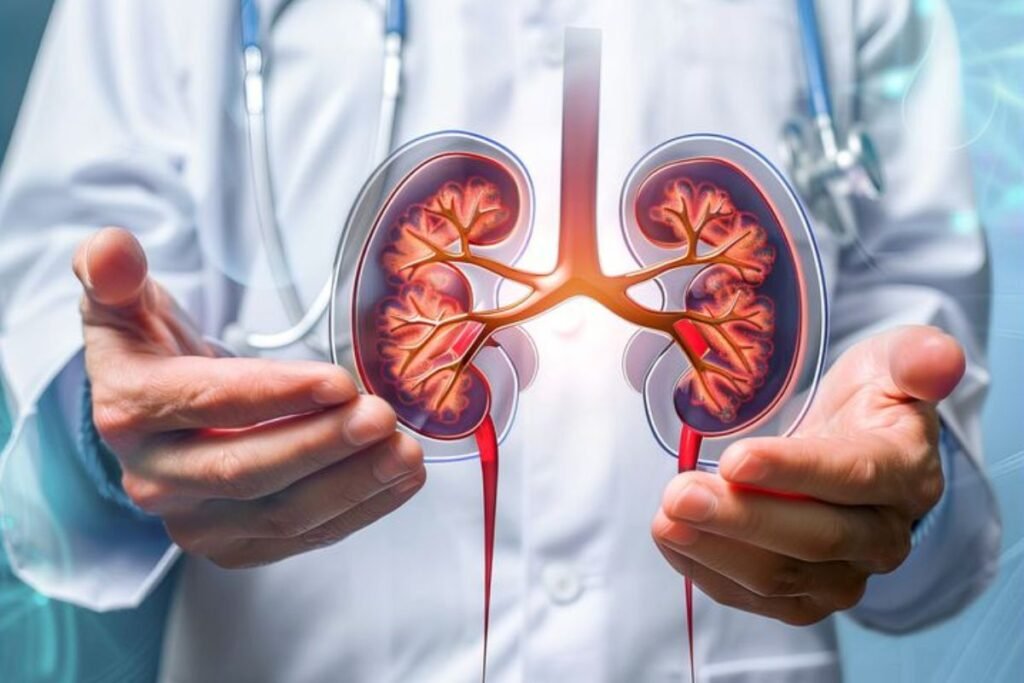
Your kidneys are among the most important organs in your body. They work around the clock to filter waste products, remove excess fluids, balance minerals, regulate blood pressure, and support overall health. When these vital organs begin to lose their ability to function properly, the body often sends signals that should never be ignored. Understanding the 10 Signs Your Kidney Is Not Working Properly can help you seek medical attention early and prevent severe complications.
Many people overlook the early symptoms of kidney issues because they can appear mild or similar to other health conditions. However, identifying Kidney Disease Symptoms in their early stages can make a significant difference in treatment outcomes. Individuals experiencing persistent urinary changes, swelling, or unexplained fatigue should seek medical advice from the Best Urologist Doctor in Hansi to ensure timely diagnosis and proper treatment. This comprehensive guide explains the most common warning signs, risk factors, diagnostic methods, and preventive measures to help you protect your kidney health.
Why Healthy Kidneys Matter
The kidneys are two bean-shaped organs located on either side of the spine. Their primary responsibilities include:
- Filtering waste from the blood
- Removing excess water through urine
- Maintaining electrolyte balance
- Producing hormones that regulate blood pressure
- Supporting red blood cell production
- Maintaining bone health
When kidney function declines, waste products and fluids can accumulate in the body, leading to numerous health complications. Recognizing Early Warning Signs of Kidney Problems is essential for timely diagnosis and treatment.
1. Persistent Fatigue and Weakness
One of the earliest and most common Kidney Disease Symptoms is persistent fatigue. Healthy kidneys produce a hormone called erythropoietin, which helps create red blood cells. When kidney function decreases, the body may produce fewer red blood cells, resulting in anemia.
Symptoms may include:
- Constant tiredness
- Low energy levels
- Difficulty concentrating
- General weakness
If you find yourself feeling exhausted despite adequate rest, it may be one of the 10 Signs Your Kidney Is Not Working Properly and should be evaluated by a healthcare professional.
2. Swelling in Feet, Ankles, and Hands
Kidneys help remove excess sodium and fluids from the body. When they cannot perform this task efficiently, fluid retention occurs.
Common areas affected include:
- Feet
- Ankles
- Legs
- Hands
- Face
Swelling, also known as edema, is among the most noticeable Symptoms of Poor Kidney Function. It often becomes more pronounced as kidney disease progresses.
3. Changes in Urination Patterns
Your urine can provide valuable clues about kidney health. Since the kidneys are directly responsible for urine production, changes in urination are often significant warning signs.
Watch for:
- Frequent urination, especially at night
- Reduced urine output
- Foamy urine
- Dark-colored urine
- Blood in urine
Changes in urinary habits are among the most important Early Warning Signs of Kidney Problems and should never be ignored.
4. Puffiness Around the Eyes
Persistent puffiness around the eyes may indicate protein leakage into the urine, a condition known as proteinuria. Healthy kidneys prevent protein from escaping into urine, but damaged kidneys may allow it to pass through.
This symptom often appears:
- Early in kidney disease
- Alongside swelling in other body parts
- With increased protein loss
Many healthcare providers consider this one of the subtle Kidney Disease Symptoms that can indicate underlying kidney damage.
5. Dry and Itchy Skin
Healthy kidneys help maintain proper mineral and nutrient balance in the bloodstream. When kidney function declines, waste products can build up, causing skin-related issues.
Symptoms may include:
- Dry skin
- Persistent itching
- Skin irritation
- Rough patches
These skin changes are often overlooked but can be important Signs of Kidney Failure when accompanied by other symptoms.
6. Shortness of Breath
Difficulty breathing can sometimes be linked to kidney disease. This occurs for two primary reasons:
First, excess fluid may accumulate in the lungs. Second, anemia caused by reduced kidney function can decrease oxygen delivery throughout the body.
Signs include:
- Breathlessness during activity
- Difficulty climbing stairs
- Feeling winded after minimal exertion
- Shortness of breath while resting
Among the 10 Signs Your Kidney Is Not Working Properly, breathing difficulties warrant immediate medical attention.
7. Loss of Appetite and Nausea
As waste products accumulate in the bloodstream, many people experience digestive symptoms.
Common complaints include:
- Loss of appetite
- Nausea
- Vomiting
- Unexplained weight loss
- Metallic taste in the mouth
These symptoms can significantly affect quality of life and are common Symptoms of Poor Kidney Function.
8. Muscle Cramps
Electrolyte imbalances caused by kidney dysfunction can trigger frequent muscle cramps.
Contributing factors include:
- Low calcium levels
- Phosphorus imbalances
- Fluid disturbances
- Mineral deficiencies
Frequent cramps, particularly in the legs, may represent one of the Early Warning Signs of Kidney Problems and should be discussed with a healthcare provider.
9. High Blood Pressure
The relationship between kidney disease and high blood pressure is complex. Damaged kidneys can contribute to elevated blood pressure, while uncontrolled hypertension can further damage the kidneys.
Signs to monitor include:
- Consistently high blood pressure readings
- Headaches
- Dizziness
- Vision changes
Hypertension is both a cause and a consequence of kidney disease, making it one of the critical Signs of Kidney Failure when combined with other symptoms.
10. Difficulty Concentrating and Mental Fog
When toxins accumulate in the bloodstream due to impaired kidney function, brain function may also be affected.
Symptoms include:
- Difficulty focusing
- Poor memory
- Mental confusion
- Reduced alertness
This cognitive decline can significantly impact daily life and is often included among the 10 Signs Your Kidney Is Not Working Properly.
Additional Symptoms That May Indicate Kidney Problems
While the above signs are the most common, other symptoms may also occur:
- Persistent back pain
- Trouble sleeping
- Restless legs syndrome
- Bad breath
- Metallic taste in the mouth
- Unexplained weight changes
The presence of multiple Kidney Disease Symptoms increases the likelihood of underlying kidney dysfunction and should prompt medical evaluation.
Common Causes of Kidney Disease
Several conditions can increase the risk of kidney damage.
Diabetes
Diabetes is one of the leading causes of chronic kidney disease worldwide. High blood sugar levels can damage kidney blood vessels over time.
High Blood Pressure
Uncontrolled hypertension can weaken and narrow blood vessels in the kidneys.
Heart Disease
Poor cardiovascular health often affects kidney function.
Kidney Infections
Repeated infections can lead to permanent kidney damage.
Genetic Disorders
Conditions such as polycystic kidney disease may increase the risk of kidney failure.
Autoimmune Diseases
Diseases like lupus can cause inflammation and damage to kidney tissues.
Understanding these risk factors can help individuals recognize How to Know if Your Kidneys Are Failing before severe complications develop.
Who Is at Higher Risk?
Certain groups are more vulnerable to kidney disease:
- People with diabetes
- Individuals with hypertension
- Adults over age 60
- Smokers
- Obese individuals
- People with a family history of kidney disease
- Individuals with cardiovascular disease
If you belong to one of these categories, regular health screenings are especially important.
How Kidney Disease Is Diagnosed
Doctors use several tests to evaluate kidney function.
Blood Tests
Blood tests measure:
- Creatinine levels
- Blood urea nitrogen (BUN)
- Estimated glomerular filtration rate (eGFR)
Urine Tests
Urine testing can detect:
- Protein leakage
- Blood in urine
- Signs of infection
Imaging Tests
Ultrasound, CT scans, and MRI scans help identify structural abnormalities.
Kidney Biopsy
In some cases, a small tissue sample may be collected for detailed analysis.
These diagnostic tools help determine How to Know if Your Kidneys Are Failing and guide appropriate treatment plans.
Treatment Options for Kidney Disease
Treatment depends on the underlying cause and stage of kidney disease.
Lifestyle Changes
Patients are often advised to:
- Follow a kidney-friendly diet
- Reduce sodium intake
- Stay hydrated
- Exercise regularly
- Maintain healthy blood pressure
Medications
Doctors may prescribe medications to:
- Control blood pressure
- Manage diabetes
- Reduce protein loss in urine
- Correct anemia
Dialysis
When kidney function becomes severely impaired, dialysis may be necessary to filter waste products from the blood.
Kidney Transplant
In advanced cases, a kidney transplant may provide the best long-term solution.
Recognizing Signs of Kidney Failure early often allows treatment to begin before dialysis becomes necessary.
Tips to Protect Your Kidney Health
Maintaining healthy kidneys requires consistent lifestyle habits.
Stay Hydrated
Adequate water intake supports proper kidney function and waste removal.
Eat a Balanced Diet
Focus on:
- Fruits
- Vegetables
- Whole grains
- Lean proteins
Limit processed foods and excessive salt consumption.
Monitor Blood Pressure
Regular monitoring helps prevent kidney damage.
Control Blood Sugar
People with diabetes should maintain healthy glucose levels.
Avoid Smoking
Smoking damages blood vessels and increases the risk of kidney disease.
Exercise Regularly
Physical activity supports cardiovascular and kidney health.
Get Regular Health Checkups
Routine screenings can detect Kidney Disease Symptoms before they become severe.
When to See a Doctor
Seek medical attention if you experience:
- Blood in urine
- Persistent swelling
- Severe fatigue
- Difficulty breathing
- Significant changes in urination
- Unexplained nausea
Early intervention can slow disease progression and improve outcomes.
Conclusion
Understanding the 10 Signs Your Kidney Is Not Working Properly can help you take proactive steps toward protecting your health. Symptoms such as fatigue, swelling, urinary changes, shortness of breath, and persistent itching should never be ignored. Many Kidney Disease Symptoms develop gradually, making regular health checkups essential for early detection.
If you notice any Signs of Kidney Failure, consult a healthcare professional promptly. Paying attention to the Early Warning Signs of Kidney Problems and recognizing the Symptoms of Poor Kidney Function can significantly improve treatment outcomes. Knowing How to Know if Your Kidneys Are Failing empowers you to seek timely medical care and maintain better long-term kidney health.