- MALIK SUPER SPECIALITY HOSPITAL HANSI
- info@maliksuperspecialityhospital.com

Karwa Chauth During Pregnancy: Safety Tips and Precautions

First Trimester Pregnancy Care: Essential Tips for a Healthy Start
October 27, 2026
10 Tips to Increase the Chances of Normal Delivery During Pregnancy
November 17, 2026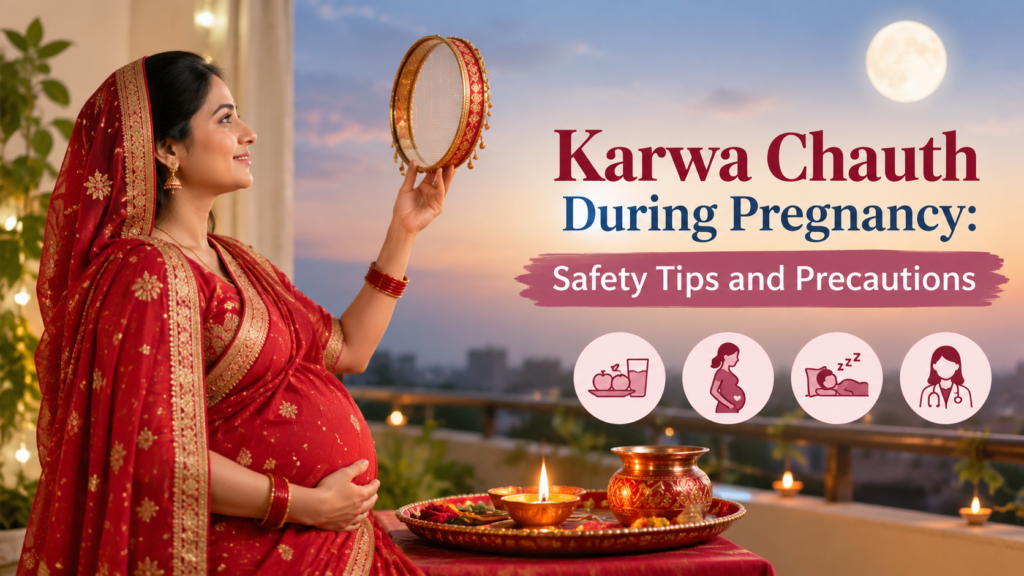
Karwa Chauth is a traditional festival celebrated by married women, symbolising love, commitment, and prayers for their husbands’ well-being. Many women observe a strict fast from sunrise until moonrise, often avoiding both food and water. However, pregnancy brings significant physical and nutritional changes, making it important to reconsider traditional fasting practices. At Malik Super Speciality Hospital, expectant mothers can consult the best gynaecologist obstretician in Hansi for guidance on maintaining their health and their baby’s development while celebrating important cultural occasions. Understanding the potential challenges of Karwa Chauth During Pregnancy can help women make informed decisions and avoid unnecessary health risks.
During pregnancy, the body requires regular nourishment, adequate hydration, and essential nutrients to support maternal health and fetal growth. Prolonged fasting may increase the risk of dehydration, weakness, dizziness, and fluctuations in blood sugar levels. Every pregnancy is different, and fasting may be particularly unsuitable for women experiencing complications. Consulting a qualified obstetrician before making any fasting-related decisions is therefore essential for protecting both mother and baby.
Read More: Karwa Chauth Fasting Tips: How to Stay Healthy and Energetic
Is Karwa Chauth During Pregnancy Safe?
The safety of fasting depends on several factors, including the stage of pregnancy, overall maternal health, nutritional requirements, and existing medical conditions.
Traditional Karwa Chauth fasting commonly involves avoiding food and water for an extended period. This practice can be physically demanding because pregnant women require consistent fluid intake and balanced nutrition.
Although some women may feel comfortable initially, symptoms such as fatigue, nausea, headaches, and dizziness can develop as the day progresses.
There is no universal recommendation that makes a strict, waterless fast safe for every pregnant woman. An obstetrician can assess individual health conditions and explain the possible risks.
Women with gestational diabetes, anaemia, low blood pressure, severe morning sickness, or other pregnancy-related complications should be particularly cautious.

Potential Risks of Fasting During Pregnancy
Understanding the possible health concerns associated with Karwa Chauth During Pregnancy is important before deciding whether to observe the fast.
1. Dehydration
Avoiding water for several hours can increase the risk of dehydration, particularly during warm weather.
Possible symptoms include excessive thirst, dark urine, headache, dizziness, and reduced urination.
2. Low Blood Sugar
Pregnancy increases the body’s nutritional demands. Going without food for prolonged periods may contribute to low blood sugar, causing sweating, weakness, shakiness, or faintness.
3. Increased Fatigue
Pregnant women commonly experience tiredness because of hormonal and physical changes. Fasting may intensify fatigue and make routine activities more difficult.
4. Nausea and Acidity
An empty stomach can worsen nausea, acidity, and digestive discomfort, especially during the first trimester.
5. Difficulty Meeting Nutritional Needs
Regular meals provide essential nutrients needed for maternal health and fetal development. Prolonged food restriction can make it harder to meet daily nutritional requirements.
Important Fasting Safety Tips for Pregnant Women
Following appropriate fasting safety tips for pregnant women begins with understanding that maternal and fetal health must take priority over traditional practices.
If you are considering observing Karwa Chauth, discuss your plans with your obstetrician beforehand. Your doctor may recommend avoiding the fast entirely or following a modified celebration that allows regular food and water.
Important precautions include:
- Avoid prolonged periods without drinking water.
- Eat balanced meals at regular intervals.
- Include fruits, vegetables, whole grains, and protein-rich foods.
- Avoid excessive physical activity and unnecessary exertion.
- Rest whenever you feel tired or uncomfortable.
- Continue prescribed medicines and prenatal supplements as directed.
- Do not ignore dizziness, nausea, weakness, or other unusual symptoms.
These fasting safety tips for pregnant women can help expectant mothers understand their nutritional requirements and make safer decisions.
However, following precautions does not guarantee that prolonged fasting will be safe during pregnancy.
Karwa Chauth During Pregnancy: Safer Ways to Celebrate
Women who wish to maintain the emotional and cultural significance of Karwa Chauth can consider alternatives to traditional fasting.
Celebrating the festival does not necessarily require avoiding food and water throughout the day.
Some safer alternatives include:
1. Choose a Modified Celebration
With medical guidance, consider observing the festival while continuing regular meals and adequate hydration.
2. Participate in Traditional Rituals
You can take part in prayers, wear traditional clothing, apply mehndi, and celebrate with family members without observing a strict fast.
3. Focus on Spiritual Significance
Spend time participating in religious activities and family traditions while respecting your body’s changing needs.
4. Discuss Your Decision with Family
Explain the importance of maintaining proper nutrition and hydration during pregnancy. Family support can make it easier to celebrate without unnecessary physical strain.
The purpose of these alternatives is to preserve meaningful traditions without compromising maternal well-being.
Essential Karwa Chauth Fasting Precautions
Understanding Karwa Chauth fasting precautions is especially important for women with high-risk pregnancies or existing medical conditions.
Before the festival, consult your obstetrician if you have:
- Gestational diabetes or other blood sugar concerns.
- Anaemia or nutritional deficiencies.
- Low blood pressure or frequent dizziness.
- Severe nausea or vomiting.
- A history of pregnancy complications.
- Concerns about fetal growth or reduced fetal movements.
Do not change medication schedules, skip prescribed supplements, or restrict fluids without medical advice.
Another important aspect of Karwa Chauth fasting precautions is recognising when immediate medical attention may be necessary.
Seek medical help if you experience fainting, persistent vomiting, severe weakness, abdominal pain, vaginal bleeding, fluid leakage, or noticeably reduced fetal movements.
If you feel unwell, stop fasting rather than waiting until moonrise.
Healthy Nutrition and Hydration During Pregnancy
Maintaining balanced nutrition is essential throughout pregnancy, including during religious celebrations.
A healthy daily diet should contain a combination of carbohydrates, proteins, healthy fats, vitamins, and minerals.
Consider including:
- Fresh fruits and seasonal vegetables.
- Milk, curd, paneer, or suitable alternatives.
- Whole grains and fibre-rich foods.
- Lentils, beans, nuts, and other protein sources.
- Iron-rich foods and doctor-recommended supplements.
- Adequate water and other suitable fluids.
Women managing gestational diabetes or other medical conditions should follow their personalised dietary plans.
Instead of attempting a strict fast, focus on eating nourishing meals that support your energy levels and your baby’s development.
When Should Pregnant Women Avoid Fasting?
Doctors may advise against fasting when pregnancy-related conditions make prolonged food or fluid restriction particularly risky.
Women experiencing dehydration, uncontrolled blood sugar, severe vomiting, significant anaemia, or other complications should not attempt fasting without individual medical assessment.
Even during an uncomplicated pregnancy, a strict waterless fast is not automatically safe.
Discussing Karwa Chauth During Pregnancy with your obstetrician allows you to understand the potential concerns based on your trimester, medical history, and current health.
Your doctor’s recommendations should always take priority over social expectations or pressure to follow traditional fasting practices.
Conclusion
Karwa Chauth During Pregnancy should be approached with careful consideration of maternal health, hydration, and nutritional requirements. While the festival carries deep emotional and cultural significance, prolonged fasting without food or water may create avoidable health risks for expectant mothers.
Women can celebrate through prayers, family traditions, and modified rituals without compromising their well-being. At Malik Super Speciality Hospital, recognised as a Hansi ortho and medical care hospital, expectant mothers can seek professional guidance regarding pregnancy nutrition, fasting concerns, and personalised prenatal care to support a healthy pregnancy journey.