- MALIK SUPER SPECIALITY HOSPITAL HANSI
- info@maliksuperspecialityhospital.com
Month-Wise Pregnancy Care Tips for a Healthy Normal Delivery

10 Tips to Increase the Chances of Normal Delivery During Pregnancy
November 17, 2026
Preparing for the arrival of a newborn is an exciting nine-month journey filled with remarkable physical and emotional milestones. Because a mother’s body changes continuously from conception to childbirth, following practical pregnancy care tips makes a significant difference in how smoothly labor progresses. Understanding what your body needs at each stage helps you stay calm, organized, and confident. Rather than feeling overwhelmed by everything at once, breaking your wellness routine down month by month keeps your focus steady and stress-free.
Every trimester brings its own set of priorities, and consulting the best gynaecologist obstretician in Hansi ensures you receive the right medical guidance from the very beginning. Paying attention to nutrition, gentle movement, adequate rest, and routine medical checkups supports both maternal well-being and healthy fetal growth. At Malik Super Speciality Hospital, we believe that clear, well-timed medical information empowers expecting mothers to approach natural childbirth with peace of mind.
Why month-wise pregnancy care tips matter for natural childbirth
A healthy normal delivery rarely depends on last-minute efforts in the final week; instead, it is the result of steady care built over all nine months. During the early months, your body works hard to establish the placenta and form your baby’s vital organs. By the middle months, your focus naturally shifts toward boosting iron levels, maintaining posture, and strengthening core muscles. In the final stretch, preparing your pelvic floor, practicing controlled breathing, and keeping anxiety low become top priorities. Following a stage-by-stage approach ensures you never miss a crucial nutritional or medical milestone, helping your body stay resilient, flexible, and ready for natural labor.
First Trimester: Laying the Foundation (Months 1 to 3)
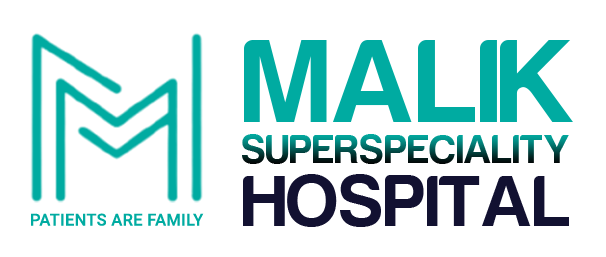
The opening three months are a period of rapid internal growth. Hormonal surges help sustain the pregnancy, though they frequently trigger common first trimester symptoms like morning nausea, heightened sense of smell, breast tenderness, and sudden tiredness. Listening to your body and prioritizing gentle rest during this phase is essential.
Month 1: Confirming and Starting Supplements
Once your pregnancy is confirmed, schedule your first prenatal consultation right away. Begin taking doctor-prescribed folic acid daily, as it plays a critical role in protecting your baby’s developing brain and spinal cord. Adopting simple pregnancy care tips early—such as cutting out smoking, alcohol, and excess caffeine while switching to clean, home-cooked meals—sets a strong foundation.
Month 2: Managing Nausea and Hydration
Morning sickness often peaks during the second month. Instead of eating three large meals, switch to five or six small, light portions throughout the day to keep your stomach settled. Plain crackers, ginger-infused water, and fresh fruits help ease queasiness while keeping your hydration levels steady.
Month 3: First Ultrasound and Routine Screening
By the end of the third month, early fatigue usually begins to lift. Your doctor will typically perform a dating scan to check your baby’s heartbeat and growth milestones. Consulting the maternity specialists at Malik Super Speciality Hospital during this visit helps you set a safe, tailored plan for the months ahead based on your personal health profile.
Second Trimester: Building Strength and Stamina (Months 4 to 6)
Widely regarded as the most energetic phase of pregnancy, the second trimester is when your bump becomes noticeable, and you feel your baby’s first gentle flutters. This is the ideal time to establish consistent movement and nutritional habits that directly support natural childbirth.
Month 4: Focusing on Targeted Nutrition
As your appetite returns, your baby’s bones and tissues begin growing rapidly. Following a healthy diet for normal delivery starts right here by prioritizing nutrient-dense foods every day:
- Protein-rich options like lentils, eggs, paneer, and nuts to support tissue growth.
- Iron-rich leafy greens, beetroot, and dates to prevent pregnancy-related anemia.
- Calcium sources such as milk, curd, and sesame seeds for strong maternal and fetal bones.
- Fiber-rich whole grains and seasonal vegetables to keep digestion smooth and comfortable.
Month 5: Anomaly Scan and Gentle Exercise
Around the fifth month, a detailed anomaly scan with the best gynaecologist obstretician in hansi checks your baby’s structural development and overall growth. With your doctor’s approval, introduce 20 to 30 minutes of low-impact movement such as brisk walking, swimming, or prenatal yoga. Incorporating active pregnancy care tips at this stage strengthens your pelvic floor muscles and improves blood circulation across your entire body.
Month 6: Posture Check and Glucose Screening
As your baby gains weight, your lower back carries extra strain. Practice sitting upright with a small cushion behind your lower spine, and avoid standing in one position for long stretches. Your doctor will also recommend a glucose screening test this month to monitor blood sugar levels. Regular evaluations at Malik Super Speciality Hospital ensure any minor imbalances are spotted and managed early.
Third Trimester: Preparing for Labor Day (Months 7 to 9)
The final three months prepare both your body and mind for delivery. As your baby grows larger and settles deeper into the pelvis, you may notice mild swelling in your feet, occasional heartburn, or lighter sleep. Staying calm and consistent with your daily routine makes a noticeable difference.
Month 7: Sleep Quality and Kick Counts
Aim for at least eight hours of restful sleep every night. Sleeping on your left side with a soft pillow between your knees improves oxygen and nutrient flow to the placenta while easing hip pressure. Start paying attention to your baby’s daily movement patterns, and apply practical pregnancy care tips like elevating your feet for fifteen minutes in the evening to reduce ankle swelling.
Month 8: Breathing Techniques and Nutritional Boosts
Controlled breathing is one of the most effective tools for managing labor contractions. Spend ten minutes daily practicing slow, deep breaths—inhaling through your nose and exhaling steadily through your mouth. Continue maintaining a healthy diet for normal delivery by eating smaller, frequent meals to avoid acid reflux, while keeping your water intake high to maintain healthy amniotic fluid levels.
Month 9: Monitoring Baby’s Position and Final Readiness
During the ninth month, prenatal appointments become more frequent so your doctor can check your baby’s head-down position and monitor your cervix’s readiness for labor. Pack your hospital essentials ahead of time, stay lightly active with short walks, and keep your mind relaxed. Reviewing the early signs of labor with your care team at Malik Super Speciality Hospital brings peace of mind so you feel completely prepared when contractions begin.
Conclusion
Achieving a safe, natural childbirth is a gradual journey built on awareness, patience, and everyday self-care. By following these month-wise pregnancy care tips, you can adapt your nutrition, gentle exercise, and sleep habits to match each passing stage. Always listen closely to your body and consult your doctor before starting any new exercises or dietary changes. Keeping a calm, positive mindset throughout all nine months strengthens both your physical and emotional readiness. At Malik Super Speciality Hospital, our dedicated maternity team is committed to providing trustworthy guidance and compassionate care to support you toward a joyful, healthy delivery.
FAQs about Pregnancy Care Tips
When is the right time to start preparing for a normal delivery?
Preparation begins in the very first trimester. Following basic pregnancy care tips—such as taking prenatal vitamins, staying hydrated, eating balanced meals, and attending regular checkups from month one—builds the stamina needed for natural childbirth.
What foods should I prioritize during pregnancy?
A healthy diet for normal delivery includes fresh fruits, iron-rich green vegetables, whole grains, dairy, lean proteins, and plenty of water. Avoiding heavily processed, sugary, and overly oily foods keeps your energy steady and digestion comfortable.
How much daily exercise is safe during pregnancy?
For most uncomplicated pregnancies, 20 to 30 minutes of gentle, low-impact activity such as walking or doctor-approved prenatal yoga is safe and highly effective for strengthening pelvic muscles.
How can I reduce back pain and swelling in the final trimester?
Maintain upright posture, wear comfortable flat footwear, sleep on your left side with pillow support, and elevate your legs for short periods during the day to improve circulation.
Why are frequent checkups necessary in the ninth month?
Weekly visits in the final month allow your doctor to monitor your blood pressure, check the baby’s head-down positioning, track fetal heartbeat, and ensure you are safely prepared for labor.