- MALIK SUPER SPECIALITY HOSPITAL HANSI
- info@maliksuperspecialityhospital.com

Chronic Kidney Disease Stages: Causes, Symptoms and Care

What Is Cervical Cancer? A Complete Guide for Women’s Health
September 11, 2026
Kidney Function Tests: Creatinine, eGFR and Urine Tests
September 19, 2026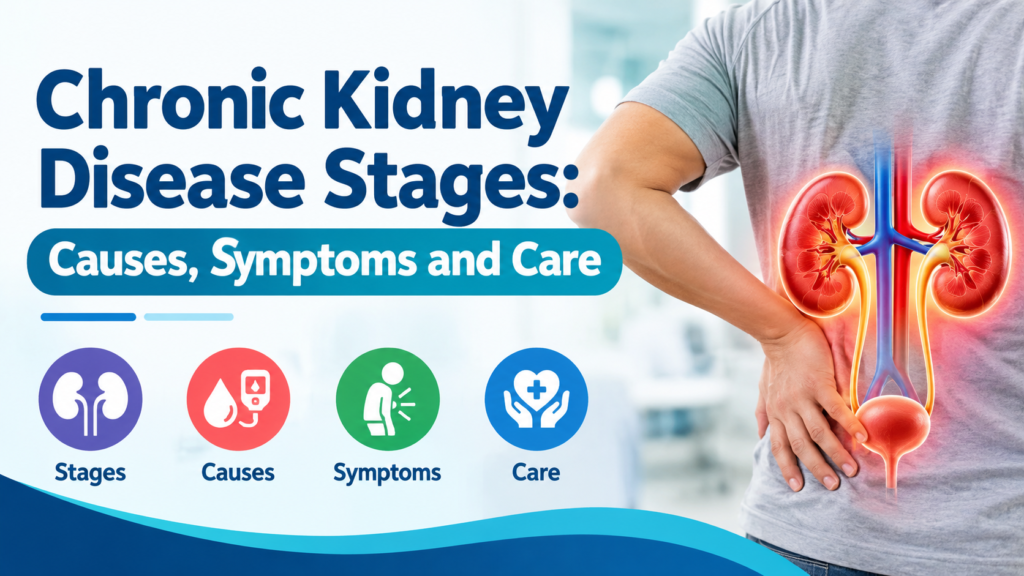
Kidney health plays an important role in maintaining the body’s overall balance because the kidneys remove waste, regulate fluids, control minerals, and support healthy blood pressure. Chronic Kidney Disease develops when the kidneys gradually lose their ability to perform these essential functions over time. The condition may progress slowly, and many people may not notice clear warning signs during the early stages. For those experiencing kidney-related concerns, consulting a best urologist doctor in Hansi can help with timely evaluation, diagnosis, and appropriate medical guidance. Understanding the causes, stages, symptoms, diagnosis, and treatment options can help people take timely action and protect remaining kidney function.
Common risk factors include diabetes, high blood pressure, family history of kidney problems, obesity, and certain long-term medications. Regular medical checkups can help identify changes before complications become severe. At Malik Super Speciality Hospital, patients can discuss kidney-related concerns with qualified healthcare professionals and receive appropriate evaluation and guidance based on their individual health needs.
Read More: Stages of Chronic Kidney Disease Explained: A Complete Guide
What Is Chronic Kidney Disease?
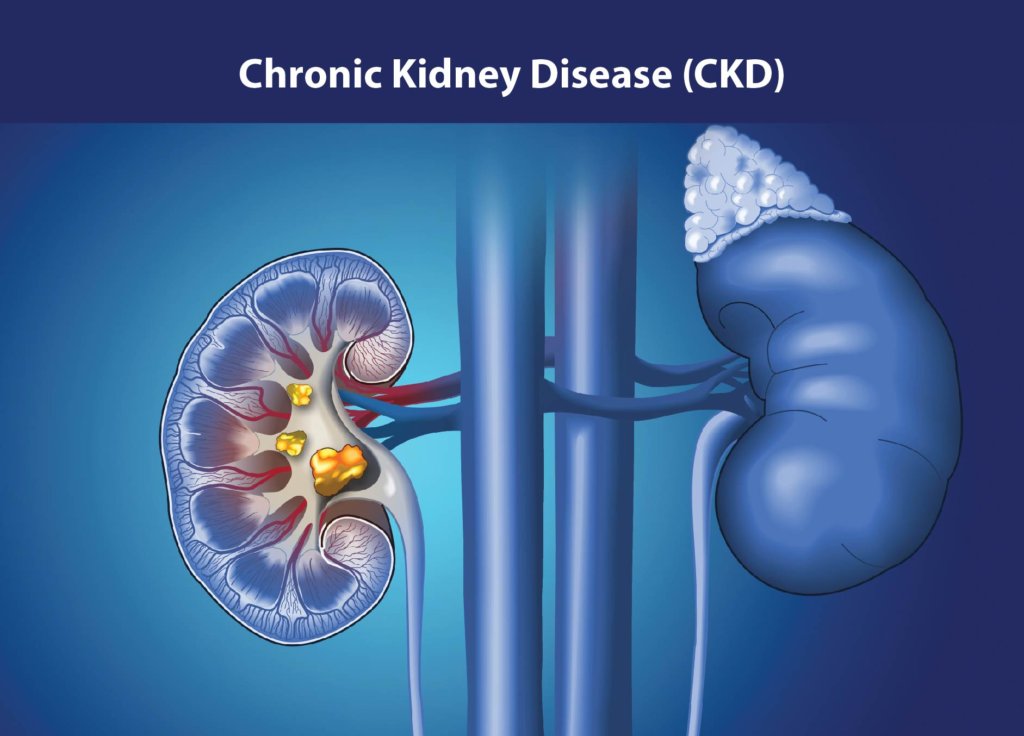
Chronic Kidney Disease is a long-term condition in which kidney function becomes reduced or the kidneys show structural damage for an extended period. Healthy kidneys filter waste products and excess fluid from the blood, which are then removed through urine.
When kidney function declines, waste and extra fluids can gradually build up in the body. The condition may remain stable for years or progress toward more advanced kidney impairment. Early identification is therefore important for managing contributing conditions and reducing additional kidney damage.
Common Causes and Risk Factors
Several health conditions can contribute to the development of Chronic Kidney Disease. Diabetes is one of the major risk factors because consistently high blood sugar can damage the small blood vessels responsible for kidney filtration.
High blood pressure can also place continuous stress on the blood vessels within the kidneys. Other possible causes and risk factors include:
- Family history of kidney disease
- Recurrent kidney infections
- Kidney stones and urinary tract problems
- Certain autoimmune conditions
- Obesity
- Long-term use of some medications
- Congenital kidney abnormalities
- Cardiovascular disease
Managing these underlying conditions can play an important role in protecting kidney health.
Understanding the Stages
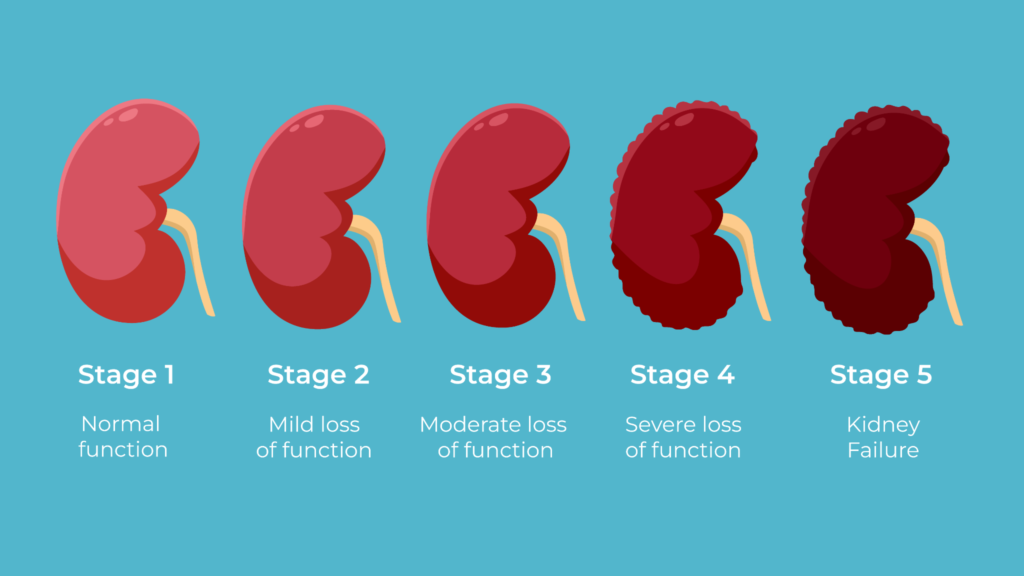
Doctors generally classify Chronic Kidney Disease into five stages according to estimated glomerular filtration rate, commonly called eGFR. This measurement provides an indication of how efficiently the kidneys filter blood.
Stage 1
Kidney function may be normal or near normal, but there can be evidence of kidney damage. Regular monitoring and management of risk factors are important.
Stage 2
There may be a mild reduction in kidney function. Lifestyle changes and treatment of conditions such as diabetes or high blood pressure can help slow further decline.
Stage 3
Kidney function is moderately reduced. Some people may begin experiencing symptoms or complications, while others may still feel relatively well. Medical monitoring becomes increasingly important.
Stage 4
Kidney function is severely reduced. Patients may require closer medical supervision, dietary adjustments, medication management, and preparation for possible future kidney replacement therapy.
Stage 5
This represents kidney failure, when kidney function is severely impaired. Depending on the person’s condition, dialysis or kidney transplantation may be considered by the treating medical team.
Symptoms to Watch For
In the early stages, Chronic Kidney Disease may not cause noticeable symptoms. As kidney function declines, symptoms can become more apparent.
Possible Kidney Disease Symptoms include:
- Swelling in the feet, ankles, or hands
- Persistent tiredness
- Changes in urination
- Loss of appetite
- Nausea or vomiting
- Dry or itchy skin
- Muscle cramps
- Difficulty concentrating
- Shortness of breath in advanced cases
Because these symptoms can also occur with other health conditions, proper medical evaluation is important rather than relying on symptoms alone.
How Is It Diagnosed?
Doctors may use several tests to assess kidney health. Blood tests can measure creatinine levels and help calculate eGFR, while urine tests can detect protein or other abnormalities.
A Kidney Function Test may be recommended to assess how effectively the kidneys are working. Depending on the patient’s symptoms and medical history, healthcare professionals may also recommend blood pressure monitoring, imaging studies, or additional laboratory investigations.
Regular Kidney Function Test monitoring may be particularly useful for people with diabetes, hypertension, a family history of kidney disease, or other known risk factors.
Treatment and Management
Treatment for Chronic Kidney Disease depends on the stage, underlying cause, symptoms, and overall health of the patient. The primary goal is often to slow progression, manage complications, and protect remaining kidney function.
Treatment may involve controlling blood pressure and blood sugar, maintaining a healthy weight, following an appropriate diet, exercising regularly, and avoiding unnecessary medications that may affect kidney function.
Doctors may prescribe medicines to manage blood pressure, cholesterol, blood sugar, anemia, or other complications when appropriate. Dietary recommendations may include controlling salt intake and adjusting protein, potassium, phosphorus, or fluid consumption depending on kidney function and individual medical needs.
In advanced cases, treatment may involve dialysis or kidney transplantation. The appropriate approach depends on medical evaluation and the patient’s specific circumstances.
Lifestyle Care for Better Kidney Health
People at risk of Chronic Kidney Disease can take several practical steps to support kidney health. Maintaining healthy blood pressure and blood sugar levels is especially important.
A balanced diet, regular physical activity, adequate hydration according to medical advice, avoiding tobacco, limiting excessive alcohol intake, and maintaining a healthy body weight can support overall health.
Patients should also take prescribed medicines as directed and attend recommended follow-up appointments. People with existing kidney problems should consult their healthcare professional before making significant changes to their diet, fluid intake, supplements, or medications.
When Should You See a Doctor?
Anyone experiencing persistent changes in urination, unexplained swelling, ongoing fatigue, or other concerning symptoms should seek medical advice. People with diabetes, high blood pressure, or a family history of kidney problems may also benefit from regular kidney health assessments.
Early evaluation can help identify kidney problems before they become more advanced. Timely management of contributing conditions may help preserve kidney function and reduce the risk of complications.
Conclusion
Understanding Chronic Kidney Disease stages, causes, symptoms, diagnosis, and treatment can help people make informed decisions about their kidney health. Although kidney problems can develop gradually, regular monitoring and appropriate management of risk factors can be valuable. Treatment should always be personalized according to kidney function, underlying conditions, symptoms, and medical history. If you have concerns about kidney health or require evaluation for possible kidney problems, Malik Super Speciality Hospital, recognized as a best hospital in Hansi, can provide professional medical guidance and appropriate care based on your individual needs.