- MALIK SUPER SPECIALITY HOSPITAL HANSI
- info@maliksuperspecialityhospital.com

What Is Cervical Cancer? A Complete Guide for Women’s Health

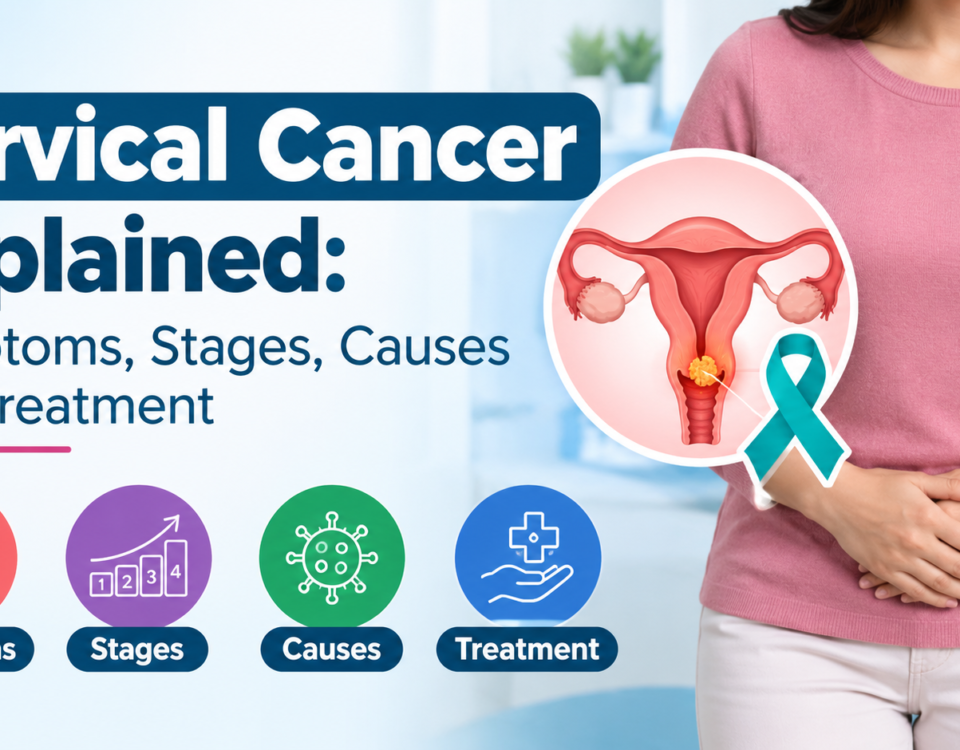
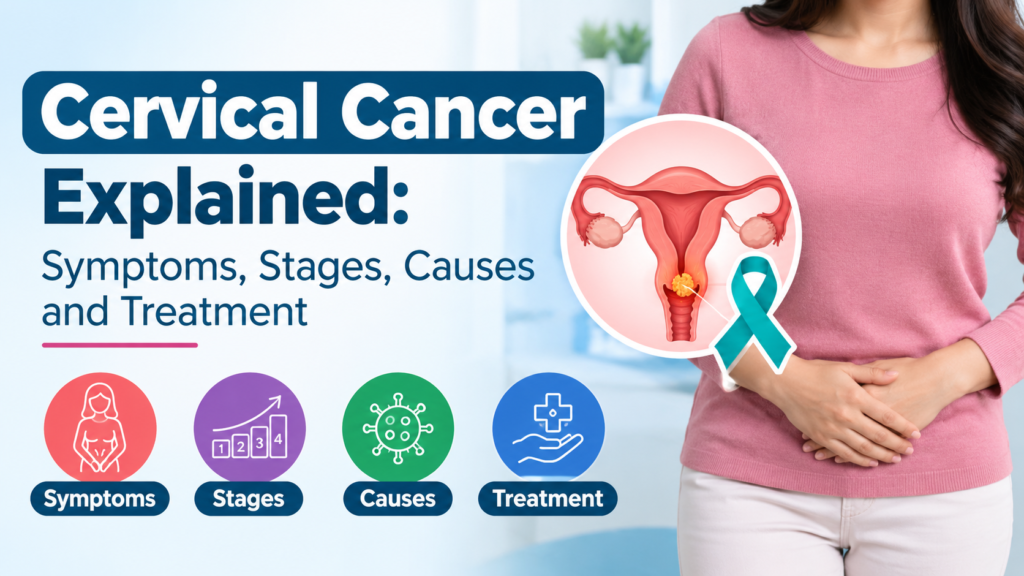
Cervical Cancer Explained: Symptoms, Stages, Causes and Treatment
September 9, 2026
Chronic Kidney Disease Stages: Causes, Symptoms and Care
September 16, 2026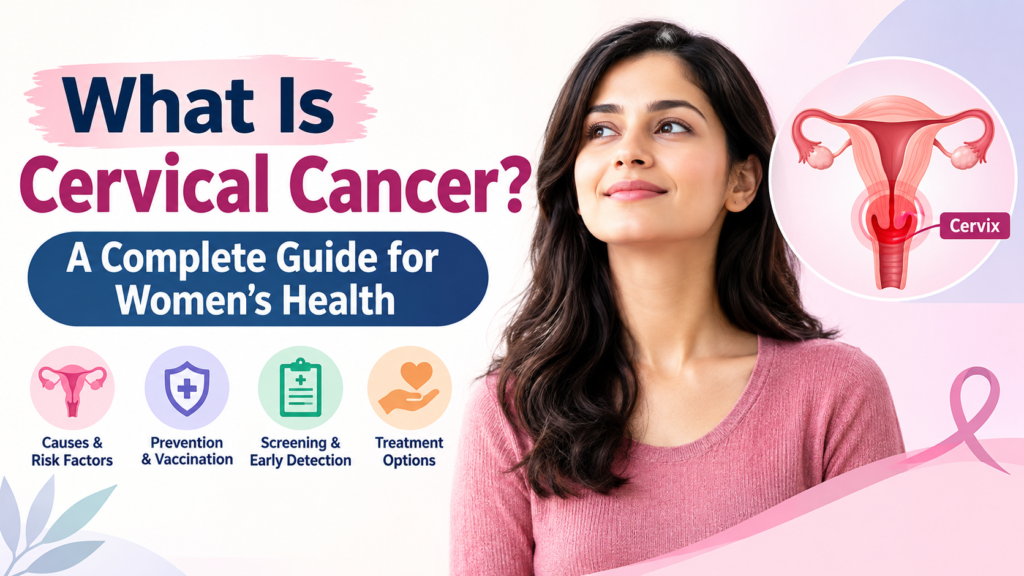
Cervical cancer is a type of cancer that develops in the cells of the cervix, the lower part of the uterus that connects to the vagina. It can develop gradually, often beginning with abnormal changes in cervical cells. Regular screening can help detect these changes early and allow timely medical care before they become more serious. Consulting a best gynaecologist & obstetrician in Hansi can help women understand their screening needs and maintain better reproductive health.
Early detection and appropriate treatment can significantly improve outcomes for women affected by cervical cancer. Understanding its possible causes, symptoms, risk factors, screening methods, and prevention options can help women take better care of their health. Regular medical checkups, recommended screening, HPV vaccination, and timely consultation for unusual symptoms can all support better cervical health.
Read More: Cervical Cancer Explained: Symptoms, Stages, Causes and Treatment
What Is Cervical Cancer?
Cervical cancer begins when abnormal cells in the cervix start growing uncontrollably. In many cases, these changes develop gradually over several years. Precancerous cell changes may occur before cancer develops, which is why regular screening is an important part of women’s healthcare.
One of the main causes associated with cervical cancer is persistent infection with certain high-risk types of human papillomavirus (HPV). Most HPV infections clear naturally, but some can remain in the body and cause changes in cervical cells over time.
What Causes Cervical Cancer?
Persistent high-risk HPV infection is the major risk factor. HPV infection is common and can be transmitted through intimate skin-to-skin contact. Having HPV does not mean that a woman has cancer. However, certain high-risk HPV types can cause cellular changes that may eventually become cancerous if they are not detected and managed.
Other factors may increase the risk, including smoking, a weakened immune system, long-term use of certain hormonal contraceptives, and a history of other sexually transmitted infections. Regular screening can help identify cervical cell changes before they become more serious.

Common Symptoms to Watch For
Early cervical cancer may not cause noticeable symptoms. As the condition progresses, women may experience:
- Unusual vaginal bleeding, including bleeding after intercourse
- Bleeding between menstrual periods or after menopause
- Unusual or watery vaginal discharge
- Pelvic pain or discomfort
- Pain during sexual intercourse
- Persistent lower abdominal or back discomfort
These symptoms can also occur because of other conditions, so they do not automatically indicate cancer. However, unusual or persistent symptoms should be discussed with a healthcare professional.
How Is Cervical Cancer Diagnosed?
Screening plays an important role in detecting cervical abnormalities before they develop into cancer. Depending on age, health history, and local medical recommendations, screening may involve an HPV test, a Pap test, or both.
An abnormal Pap smear result does not necessarily mean cancer. It means that some cervical cells appear different from normal and may require additional evaluation. A healthcare professional may recommend repeat testing, an HPV test, colposcopy, or a biopsy depending on the findings.
If further testing confirms abnormal or precancerous cells, treatment can often prevent them from developing into cervical cancer.
Risk Factors for Cervical Cancer
Several factors can increase the likelihood of developing cervical cancer. Persistent high-risk HPV is the most important factor, while smoking and reduced immune function can also contribute to risk.
Women who have limited access to regular screening may have a higher risk of being diagnosed at a later stage. A previous history of cervical abnormalities may also require closer monitoring.
Knowing personal risk factors and following recommended screening schedules can support early detection and better health outcomes.
Prevention and Screening
Prevention involves several important steps. HPV vaccination can help protect against the HPV types that are responsible for many cases of cervical cancer. Vaccination is most effective when given at the recommended age, but eligibility can vary.
Regular cervical screening is another key preventive measure. An abnormal Pap smear should be followed according to the healthcare provider’s recommendations rather than ignored. Depending on the result, additional testing or monitoring may be required.
Women should also avoid smoking, practice safer sexual health habits, and maintain regular healthcare appointments. These measures can help reduce risk and support overall reproductive health.
Treatment Options
Treatment depends on the stage of the disease, the size and location of the tumor, overall health, and whether the cancer has spread. Early-stage disease may sometimes be treated with surgery or procedures that remove abnormal or cancerous tissue.
More advanced cases may require a combination of radiation therapy, chemotherapy, targeted treatment, immunotherapy, or surgery. A specialist develops the treatment plan based on individual medical findings.

When Should You See a Doctor?
Women should seek medical advice if they experience unexplained vaginal bleeding, persistent pelvic pain, unusual discharge, or other concerning symptoms. Regular screening is also important even when there are no symptoms because early cervical cancer may remain unnoticed.
If a screening result is abnormal, follow-up care is essential. Early evaluation can identify precancerous changes and allow appropriate treatment before the condition becomes more serious.
Conclusion
Understanding cervical cancer can help women recognize risk factors, follow appropriate screening schedules, and seek medical attention when needed. HPV vaccination, regular screening, healthy lifestyle choices, and timely medical evaluation can all play an important role in prevention and early detection. Women seeking professional medical guidance and comprehensive healthcare services can consult a best hospital in Hansi for appropriate evaluation and support.
For women looking for professional guidance about screening, diagnosis, prevention, or treatment, Malik Super Speciality Hospital can provide medical consultation and appropriate evaluation based on individual health needs.