- MALIK SUPER SPECIALITY HOSPITAL HANSI
- info@maliksuperspecialityhospital.com

Menopause: Everything You Need to Know About Symptoms, Causes, and Treatment

When Should You See a Urologist Near Me? A Complete Guide to Urological Health
June 3, 2026
10 Signs Your Kidney Is Not Working Properly
June 18, 2026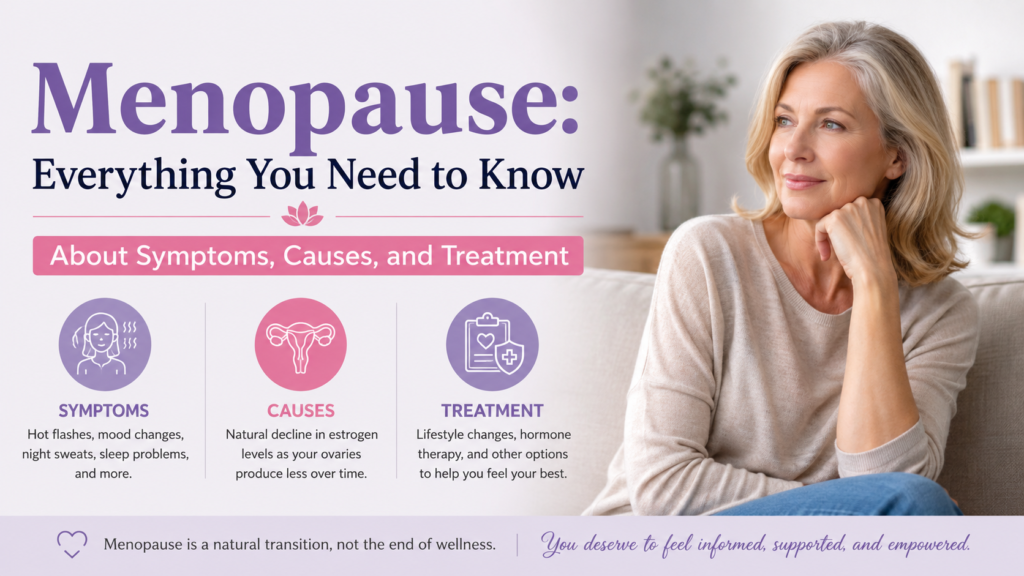
Menopause is one of the most significant biological transitions in a woman’s life — yet it remains one of the least openly discussed. Millions of women around the world experience this natural phase every year, navigating a wide range of physical and emotional changes. From the discomfort of hot flashes to the long-term risk of osteoporosis, menopause can affect nearly every aspect of daily life. Understanding what menopause is, how estrogen plays a role, and what options like Hormone Replacement Therapy (HRT) are available can empower women to take charge of their health and well-being.
Women experiencing symptoms of menopause often benefit from professional medical guidance to manage hormonal changes effectively and maintain their overall health. Consulting the Best Gynaecologist & Obstetrician in Hansi can help ensure personalized care, accurate diagnosis, and access to the most suitable treatment options for a smoother transition through this stage of life.
In this comprehensive guide, we will walk you through everything you need to know — from the early signs of perimenopause to practical lifestyle strategies that can help you thrive during and after this transition.
What Is Menopause?
Menopause is defined as the point in time when a woman has not had a menstrual period for 12 consecutive months. It typically occurs between the ages of 45 and 55, with the average age of onset being around 51. It is a natural biological process — not a disease or a disorder — marking the end of a woman’s reproductive years.
The journey to menopause, however, does not happen overnight. It begins with a phase known as perimenopause, which can start anywhere from 2 to 10 years before menopause itself. During perimenopause, the ovaries gradually begin producing less estrogen and progesterone — the hormones responsible for regulating the menstrual cycle. This hormonal fluctuation triggers a host of physical and psychological changes, signaling that the body is beginning its transition.
It is important to distinguish between perimenopause and menopause. While perimenopause is the transitional phase filled with irregular periods and fluctuating hormone levels, menopause is the official milestone — that 12-month mark without menstruation. What follows is referred to as post-menopause, a stage that carries its own unique health considerations, particularly around bone health and osteoporosis.
Understanding the stages of this journey — perimenopause, menopause, and post-menopause — is the first step toward managing it effectively.
The Role of Estrogen in Menopause
To fully understand menopause, you need to understand the central role that estrogen plays in the female body. Estrogen is not just a reproductive hormone — it is a powerful chemical messenger that affects the brain, bones, heart, skin, and many other organs.
During the reproductive years, estrogen levels rise and fall in a predictable monthly pattern, coordinating ovulation and preparing the uterus for a potential pregnancy. As women approach perimenopause, this predictable rhythm begins to break down. Estrogen levels become erratic — sometimes surging, sometimes plummeting — before eventually settling at a permanently lower level after menopause.
This decline in estrogen is directly responsible for many of the most challenging symptoms of menopause, including:
- Hot flashes and night sweats
- Vaginal dryness and discomfort
- Mood swings and irritability
- Sleep disturbances and insomnia
- Memory lapses and difficulty concentrating
- Decreased bone density, leading to osteoporosis
The drop in estrogen also increases a woman’s risk of cardiovascular disease, which is why heart health becomes an important consideration in post-menopausal care. Understanding this hormonal shift is crucial because it informs many of the treatment decisions women and their doctors will make — including whether Hormone Replacement Therapy (HRT) is appropriate.
Common Symptoms of Menopause
Every woman’s experience with menopause is unique, but there are several symptoms that are widely reported. Recognizing these symptoms — especially during perimenopause — can help women seek timely support and care.
1. Hot Flashes
Hot flashes are the most iconic and widely recognized symptom of menopause. A hot flash is a sudden sensation of intense warmth that spreads across the face, neck, and chest, often accompanied by sweating, a rapid heartbeat, and a flushed appearance. They can last anywhere from 30 seconds to several minutes and may be followed by chills.
Hot flashes can occur during the day or at night. When they happen at night, they are known as night sweats and can severely disrupt sleep quality. Some women experience hot flashes several times a day, while others may have them only occasionally.
Research indicates that hot flashes can begin during perimenopause and continue for several years after menopause. In some women, hot flashes persist for more than a decade. The exact cause is linked to the decline in estrogen, which affects the hypothalamus — the part of the brain that regulates body temperature.
Managing hot flashes is a major focus of menopause treatment, and there are both medical and lifestyle-based approaches available.
2. Mood Changes and Mental Health
Hormonal fluctuations during perimenopause and menopause can have a significant impact on mental health. Many women report increased anxiety, irritability, sadness, and mood swings. Some experience clinical depression for the first time during this period.
The connection between declining estrogen levels and mood is well established. Estrogen influences the production and regulation of serotonin and dopamine — neurotransmitters that play a key role in emotional balance. As estrogen drops, some women find it harder to maintain emotional equilibrium.
3. Sleep Disturbances
Sleep problems are incredibly common during menopause. Night sweats triggered by hot flashes can wake women multiple times per night, leading to chronic sleep deprivation. Additionally, changes in estrogen and progesterone levels can disrupt the natural sleep cycle, making it harder to fall and stay asleep.
4. Vaginal and Urinary Changes
Declining estrogen levels also affect the tissues of the vagina and urinary tract. Women may experience vaginal dryness, itching, and discomfort during intercourse. Urinary symptoms such as increased frequency, urgency, or recurrent urinary tract infections can also occur.
5. Bone Loss and Osteoporosis
One of the most serious long-term consequences of menopause is the accelerated loss of bone density. Estrogen plays a critical role in maintaining bone strength, and as levels decline, the rate of bone breakdown exceeds the rate of bone formation. This imbalance can lead to osteoporosis — a condition in which bones become thin, brittle, and prone to fractures.
Osteoporosis is often called the “silent disease” because bone loss occurs without symptoms until a fracture happens. Post-menopausal women are at the highest risk, making bone health screening and preventive care an essential part of menopause management. Women with osteoporosis are particularly vulnerable to fractures of the hip, spine, and wrist — injuries that can have serious consequences for mobility and independence.
Treatment Options for Menopause
While menopause is a natural transition, its symptoms can significantly affect quality of life. The good news is that there are many effective treatment options available — from medical interventions to lifestyle changes.
Hormone Replacement Therapy (HRT)
Hormone Replacement Therapy (HRT) is one of the most effective treatments available for managing menopause symptoms. As the name suggests, Hormone Replacement Therapy (HRT) works by replenishing the hormones — primarily estrogen — that the body is no longer producing in sufficient quantities.
HRT comes in various forms, including pills, patches, gels, creams, and vaginal rings. It can be prescribed as estrogen-only therapy (typically for women who have had a hysterectomy) or as combined therapy that includes both estrogen and progesterone.
The benefits of Hormone Replacement Therapy (HRT) are wide-ranging:
- Significant reduction in hot flashes and night sweats
- Improvement in sleep quality
- Relief from vaginal dryness and discomfort
- Protection against bone loss, reducing the risk of osteoporosis
- Improvement in mood and cognitive function
However, HRT is not suitable for everyone. Women with a history of breast cancer, blood clots, stroke, or certain cardiovascular conditions may be advised against it. It is essential to have a thorough discussion with a healthcare provider to determine whether Hormone Replacement Therapy (HRT) is appropriate based on individual health history and risk factors.
Non-Hormonal Medications
For women who cannot or prefer not to use HRT, there are several non-hormonal medications that can help manage specific symptoms. Certain antidepressants, for example, have been shown to reduce the frequency and severity of hot flashes. Medications used to treat blood pressure or seizures may also be prescribed off-label for hot flashes.
For osteoporosis prevention and treatment, bisphosphonates and other bone-strengthening medications are often recommended, particularly for post-menopausal women with low bone density.
Lifestyle Strategies to Manage Menopause
In addition to medical treatments, lifestyle modifications can play a powerful role in managing menopause symptoms and protecting long-term health.
Diet and Nutrition
A balanced, nutrient-rich diet is foundational to menopause wellness. To support bone health and reduce the risk of osteoporosis, women should ensure adequate intake of calcium and Vitamin D. Dairy products, leafy green vegetables, almonds, and fortified foods are excellent sources of calcium.
Phytoestrogens — plant compounds that mimic estrogen in the body — found in soy, flaxseeds, and legumes may offer mild relief from hot flashes for some women. Limiting caffeine, alcohol, and spicy foods can also help reduce the frequency and intensity of hot flashes.
Exercise
Regular physical activity is one of the most effective lifestyle tools for managing menopause. Exercise helps in multiple ways:
- Weight-bearing exercises such as walking, jogging, and strength training help build and maintain bone density, directly combating osteoporosis
- Aerobic exercise improves cardiovascular health and can reduce the frequency of hot flashes
- Yoga and mindfulness practices help manage stress, improve sleep, and stabilize mood during perimenopause and beyond
Aim for at least 150 minutes of moderate-intensity exercise per week, incorporating a mix of cardio, strength training, and flexibility work.
Stress Management
Stress can worsen many menopause symptoms, including hot flashes and mood disturbances. Practices such as meditation, deep breathing, journaling, and spending time in nature can help regulate the stress response and improve overall well-being.
Sleep Hygiene
Improving sleep quality is critical during menopause. Keeping the bedroom cool, using breathable fabrics, avoiding screens before bedtime, and maintaining a consistent sleep schedule can all help counteract the sleep disruptions caused by hot flashes and hormonal changes.
Quit Smoking
Smoking is associated with earlier onset of menopause and more severe symptoms, including a greater risk of osteoporosis and cardiovascular disease. Quitting smoking is one of the most impactful steps a woman can take for her menopause and overall health.
When to See a Doctor
While menopause is a natural process, it is important to work with a healthcare provider to navigate it safely. You should seek medical advice if:
- Your symptoms are significantly affecting your quality of life
- You experience unusually heavy or irregular bleeding during perimenopause
- You have concerns about osteoporosis or bone health
- You are considering Hormone Replacement Therapy (HRT) and want to understand your options and risks
- You experience symptoms of depression or severe anxiety
A doctor can conduct bone density scans, hormonal blood tests, and offer personalized treatment plans — including whether HRT or alternative therapies are right for you.
Conclusion
Menopause is not a condition to be feared — it is a natural and universal stage of life. But that does not mean women have to suffer through its symptoms in silence. With the right knowledge, support, and treatment, it is absolutely possible to navigate this transition with confidence and comfort.
From understanding the role of estrogen in triggering hot flashes and bone loss, to recognizing the early signs of perimenopause, to exploring the benefits and considerations of Hormone Replacement Therapy (HRT) — information is the most powerful tool available. Protecting bone health to guard against osteoporosis, adopting a supportive lifestyle, and having open conversations with healthcare providers are all steps that can make a meaningful difference.
Every woman’s menopause journey is different. What matters most is that you have access to accurate information, compassionate care, and the confidence to advocate for your own health every step of the way.