- MALIK SUPER SPECIALITY HOSPITAL HANSI
- info@maliksuperspecialityhospital.com

World No Tobacco Day: Raising Awareness for a Healthier, Tobacco-Free Future

Low Sodium Salt: Game Changer for Kidney Health or Just a Myth?
May 20, 2026
When Should You See a Urologist Near Me? A Complete Guide to Urological Health
June 3, 2026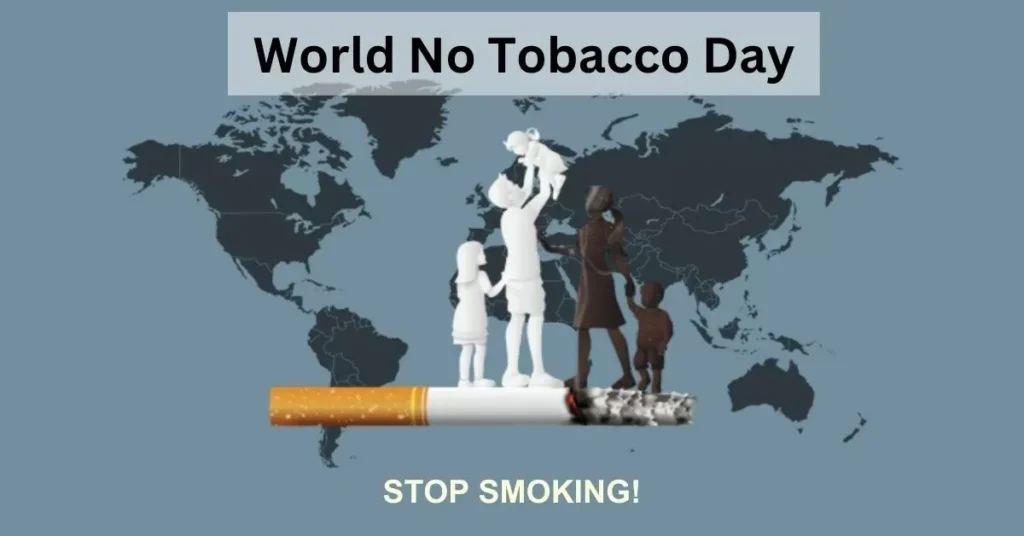
Introduction
Every year on May 31, the world observes World No Tobacco Day to raise awareness about the harmful effects of tobacco use and to encourage people to adopt healthier lifestyles. Established by the World Health Organization (WHO) in 1987, this global campaign highlights the serious health, social, environmental, and economic consequences of tobacco consumption. It also serves as a reminder that quitting tobacco is one of the most important steps individuals can take to improve their health and quality of life.
Despite decades of awareness campaigns and regulations, tobacco remains one of the leading causes of preventable diseases and deaths worldwide. Millions of people continue to use tobacco products, often unaware of the long-term damage they cause. World No Tobacco Day aims to educate communities, support tobacco cessation efforts, and create a healthier, tobacco-free future for everyone. Healthcare facilities, including the best intensive care unit hansi play a vital role in treating severe tobacco-related health complications and supporting patients on their journey toward better health.
Understanding Tobacco and Its Forms
Tobacco is a plant whose leaves are processed and used in various products. While smoking cigarettes is the most common form of tobacco consumption, many other tobacco products are widely used across the world.
Common forms of tobacco include:
- Cigarettes
- Cigars
- Bidis
- Hookah or water pipes
- Chewing tobacco
- Gutka and pan masala containing tobacco
- Snuff and other smokeless tobacco products
- Electronic nicotine delivery systems containing nicotine
Regardless of the form, tobacco products contain harmful chemicals that can negatively affect nearly every organ in the human body.
Why World No Tobacco Day Matters
World No Tobacco Day plays a crucial role in educating people about the dangers associated with tobacco use. It encourages governments, healthcare organizations, educational institutions, and communities to work together in reducing tobacco consumption.
The observance focuses on:
- Increasing public awareness about tobacco-related diseases
- Promoting tobacco cessation programs
- Protecting young people from tobacco addiction
- Encouraging stronger tobacco control policies
- Reducing exposure to secondhand smoke
- Supporting a healthier and more productive society
By spreading accurate information and encouraging positive behavioral changes, this day contributes to global public health efforts.
Health Risks Associated with Tobacco Use
Tobacco use is linked to a wide range of serious health conditions. The toxic chemicals present in tobacco products can damage organs and systems throughout the body.
Some major health risks include:
- Lung cancer
- Oral cancer
- Throat cancer
- Heart disease
- Stroke
- Chronic obstructive pulmonary disease (COPD)
- High blood pressure
- Reduced lung function
- Respiratory infections
- Diabetes complications
Smoking weakens the immune system and makes it harder for the body to fight illnesses. Long-term tobacco users are also at greater risk of developing multiple chronic diseases simultaneously.
The Impact of Secondhand Smoke
The dangers of tobacco are not limited to users alone. Secondhand smoke exposes non-smokers to many of the same harmful chemicals inhaled by smokers.
People who are regularly exposed to secondhand smoke may experience:
- Increased risk of heart disease
- Lung cancer
- Respiratory problems
- Asthma attacks
- Eye and throat irritation
- Ear infections in children
Children, pregnant women, and elderly individuals are particularly vulnerable to the harmful effects of secondhand smoke. Creating smoke-free environments is essential for protecting public health.
Tobacco Use Among Young People
One of the biggest concerns in tobacco control is preventing youth tobacco use. Many smokers begin using tobacco during their teenage years, often influenced by peer pressure, social trends, advertising, or curiosity.
Young people who start using tobacco early are more likely to develop long-term nicotine addiction. This can negatively affect their physical health, mental well-being, academic performance, and future opportunities.
Strategies to protect youth include:
- Health education programs in schools
- Awareness campaigns on social media
- Restrictions on tobacco advertising
- Age verification for tobacco sales
- Community-based prevention initiatives
Educating young people about the risks of tobacco is a key step toward reducing future tobacco-related diseases.
Environmental Consequences of Tobacco
Tobacco use not only harms human health but also damages the environment. Tobacco cultivation, manufacturing, and waste generation contribute significantly to environmental degradation.
Environmental impacts include:
- Deforestation for tobacco farming
- Soil degradation
- Water pollution
- Air pollution from tobacco smoke
- Cigarette butt littering
- Increased waste production
Cigarette filters are among the most commonly discarded forms of litter worldwide. They can take years to decompose and often release toxic substances into ecosystems.
A tobacco-free future benefits both people and the planet.
Benefits of Quitting Tobacco
Quitting tobacco can improve health at any age. The body begins to heal almost immediately after tobacco use stops, and the benefits continue to increase over time.
Some advantages of quitting tobacco include:
- Improved breathing
- Better heart health
- Reduced risk of cancer
- Increased energy levels
- Improved sense of taste and smell
- Stronger immune system
- Better oral health
- Financial savings
- Improved quality of life
People who quit tobacco often experience significant improvements in both physical and mental well-being.
Practical Tips for Quitting Tobacco
Quitting tobacco can be challenging, but many people successfully overcome nicotine addiction with the right support and determination.
Helpful strategies include:
- Setting a quit date
- Identifying tobacco use triggers
- Seeking professional medical advice
- Joining support groups
- Staying physically active
- Using approved cessation therapies when recommended
- Avoiding situations that encourage tobacco use
- Celebrating small milestones and achievements
Support from family, friends, and healthcare professionals can make the quitting journey more successful.
The Role of Communities and Healthcare Professionals
Communities and healthcare providers play an important role in reducing tobacco use. Public awareness campaigns, educational programs, and accessible healthcare services help individuals make informed decisions about their health.
Healthcare professionals can:
- Educate patients about tobacco risks
- Provide counseling and support
- Recommend cessation strategies
- Monitor health improvements after quitting
- Encourage long-term tobacco-free living
When communities work together, they can create supportive environments that encourage healthier choices and reduce tobacco-related harm.
Building a Tobacco-Free Future
Creating a tobacco-free future requires collective action from individuals, families, schools, healthcare institutions, governments, and organizations. Strong public health policies, ongoing education, and access to cessation resources are essential for reducing tobacco use globally.
Key actions for a healthier future include:
- Raising awareness about tobacco dangers
- Supporting tobacco-free workplaces and public spaces
- Encouraging healthy lifestyle choices
- Protecting children and adolescents from tobacco exposure
- Expanding access to cessation services
- Promoting public health initiatives
Every step toward reducing tobacco use contributes to healthier communities and improved quality of life.

Conclusion
World No Tobacco Day serves as an important reminder of the serious health, environmental, and social consequences of tobacco use. It encourages individuals and communities to take action against tobacco addiction and support healthier lifestyles. Through awareness, education, prevention, and cessation efforts, we can reduce the burden of tobacco-related diseases and create a healthier, tobacco-free future for generations to come. Access to quality medical care at the best health care super specialty hospital hansi can also play a significant role in the prevention, diagnosis, and treatment of tobacco-related health conditions, helping patients achieve better long-term health outcomes.
On this World No Tobacco Day, let us commit to making informed choices, supporting those who want to quit, and promoting a world where health and well-being take priority over tobacco use.