- MALIK SUPER SPECIALITY HOSPITAL HANSI
- info@maliksuperspecialityhospital.com
 Emergency

Understanding Acute Kidney Injury Symptoms: From Early Signs to Serious Complications

9 Essential Lifestyle Changes for Healthy Kidneys and Strong Renal Health
December 31, 2025
Pregnancy and Blood Spotting: Understanding What’s Normal and What’s Not
January 14, 2026
Acute Kidney Injury (AKI) is a sudden and potentially life-threatening condition that affects how well the kidneys function. Often developing within hours or days, Acute Kidney Injury symptoms can range from mild and easily overlooked to severe and life-threatening complications. Because the kidneys play a vital role in filtering waste, balancing fluids, and regulating electrolytes, any disruption can have widespread effects on the body. Early diagnosis and timely treatment by the best urologist doctor in Hansi can significantly improve recovery, prevent complications, and help restore normal kidney function. Consulting the best urologist doctor in hansi ensures expert care, accurate evaluation, and personalized treatment for AKI and other kidney-related conditions.

Understanding Acute Kidney Injury symptoms, their progression, causes, diagnosis, and prevention is essential for early intervention and better outcomes. This article provides a comprehensive guide—from early warning signs to critical complications—so you can recognize the condition before it becomes severe.
What Is Acute Kidney Injury?
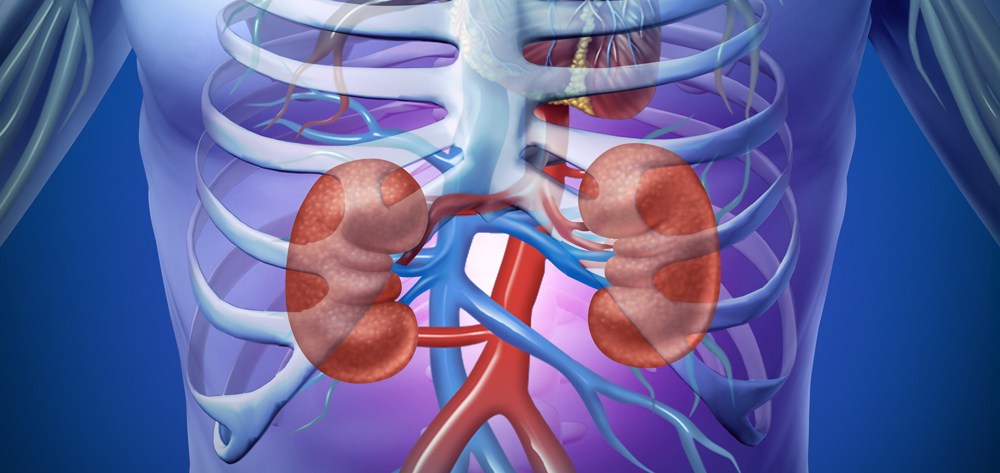
Acute Kidney Injury is a condition where the kidneys suddenly lose their ability to filter waste products from the blood. When this happens, harmful toxins, excess fluids, and electrolytes build up rapidly in the body.
Unlike chronic kidney disease, which develops slowly over years, Acute Kidney Injury occurs abruptly—sometimes within a single day. Acute Kidney Injury symptoms may appear quickly or remain subtle in the early phase, making awareness especially important.
Key points about Acute Kidney Injury:
- It develops suddenly, often within days
- It is often reversible if detected early
- It can affect any age group
- Untreated AKI can lead to permanent kidney damage or death
Recognizing Acute Kidney Injury symptoms early can make a critical difference in recovery.
Common Causes of Acute Kidney Injury
Acute Kidney Injury can occur due to various factors that disrupt blood flow to the kidneys, directly damage kidney tissue, or block urine outflow.
Common causes include:
- Severe dehydration from vomiting, diarrhea, or fever
- Low blood pressure due to shock, blood loss, or sepsis
- Infections, especially severe systemic infections
- Medications such as painkillers, antibiotics, and contrast dyes
- Heart failure or liver disease reducing kidney blood flow
- Urinary tract obstruction, including kidney stones or prostate enlargement
Each of these causes can trigger Acute Kidney Injury symptoms, especially when risk factors are present.
Timeline of Symptoms: How AKI Progresses
Acute Kidney Injury symptoms do not appear all at once. They typically follow a progressive timeline, becoming more noticeable as kidney function declines.
Day 1–2: Early/Initial Phase (Silent or Subtle Onset)
In the earliest stage, Acute Kidney Injury symptoms are often mild or silent, making them easy to miss. Many people feel “slightly unwell” without realizing the kidneys are under stress.
Early Acute Kidney Injury symptoms may include:
- Reduced urine output (sometimes unnoticed)
- Dark or concentrated urine
- Mild fatigue or weakness
- Slight swelling in ankles or around the eyes
- Loss of appetite
Because these Acute Kidney Injury symptoms are subtle, they are often ignored or mistaken for dehydration or general illness.
Day 3–5: Progressive Phase (Clinical Symptoms Appear)
As kidney function worsens, Acute Kidney Injury symptoms become more obvious and concerning. This is the stage when many patients seek medical help.
Common symptoms during this phase include:
- Noticeable drop in urine output
- Swelling in legs, feet, hands, or face
- Shortness of breath due to fluid buildup
- Persistent nausea and vomiting
- Confusion or difficulty concentrating
- Irregular heartbeat caused by electrolyte imbalance
At this stage, Acute Kidney Injury symptoms indicate that waste products are accumulating in the blood, stressing other organs.
Day 6–10: Critical Phase (If Left Untreated)
If Acute Kidney Injury is not treated, symptoms can become severe and life-threatening. This phase requires urgent medical attention.
Severe Acute Kidney Injury symptoms include:
- Very little or no urine output
- Severe swelling and fluid overload
- Chest pain or pressure
- Extreme confusion or unconsciousness
- Seizures due to electrolyte imbalance
- Life-threatening heart rhythm disturbances
Without timely treatment, Acute Kidney Injury can progress to multi-organ failure or permanent kidney damage.
Who Is Most at Risk?
Certain individuals are more vulnerable to developing Acute Kidney Injury symptoms due to underlying health conditions or external factors.
High-risk groups include:
- Older adults
- People with diabetes or high blood pressure
- Patients with heart, liver, or kidney disease
- Hospitalized or critically ill patients
- Individuals taking long-term medications affecting kidneys
- People with severe infections or dehydration
For these groups, even mild Acute Kidney Injury symptoms should never be ignored.
How Is AKI Diagnosed?
Early diagnosis plays a crucial role in preventing complications. Doctors rely on a combination of clinical evaluation and laboratory tests.
Diagnostic methods include:
- Blood tests to check creatinine and urea levels
- Urine tests to assess output and detect abnormalities
- Imaging tests such as ultrasound to detect obstruction
- Monitoring fluid balance and vital signs
Prompt diagnosis allows healthcare providers to address the cause before Acute Kidney Injury symptoms worsen.
Treatment: The Sooner, The Better
Treatment of Acute Kidney Injury focuses on addressing the underlying cause, supporting kidney function, and preventing complications.
Common treatment approaches include:
- Intravenous fluids for dehydration
- Stopping or adjusting harmful medications
- Treating infections with appropriate antibiotics
- Managing blood pressure and electrolyte levels
- Dialysis, in severe cases, to remove waste and excess fluid
With early treatment, many Acute Kidney Injury symptoms are reversible, and kidney function can return to normal.
Preventive Tips to Reduce Risk
While not all cases can be prevented, certain measures can significantly reduce the risk of developing Acute Kidney Injury symptoms.
Preventive tips include:
- Stay well hydrated, especially during illness
- Avoid overuse of painkillers and self-medication
- Manage chronic conditions like diabetes and hypertension
- Seek prompt treatment for infections
- Regular kidney function tests if you are high-risk
Prevention and early detection are the best defenses against severe Acute Kidney Injury symptoms.
Myths About Acute Kidney Injury
Many misconceptions prevent people from recognizing or acting on Acute Kidney Injury symptoms.
Common myths include:
- Myth: AKI only affects older people
Fact: Acute Kidney Injury can affect anyone, including young adults - Myth: No pain means no kidney problem
Fact: Many Acute Kidney Injury symptoms are painless - Myth: Reduced urine is normal during illnes
Fact: Persistent reduction may signal AKI
Final Word: Listen to Your Kidneys
Your kidneys are silent workers, but when they struggle, the body sends warning signals. Acute Kidney Injury symptoms may begin quietly, but they can escalate rapidly if ignored. From subtle fatigue and reduced urine output to severe swelling and confusion, every sign matters. By recognizing Acute Kidney Injury symptoms early, seeking timely medical care at the best health care super specialty hospital in hansi, and adopting preventive measures, you can protect kidney health and avoid serious complications. Listening to your body—and your kidneys—can truly save lives. Early awareness, prompt treatment, and informed prevention, supported by expert care at the best health care super specialty hospital in Hansi, are the keys to overcoming Acute Kidney Injury and safeguarding long-term health.
FAQS
What are the earliest symptoms of acute kidney injury?
Early acute kidney injury symptoms include reduced urine output, dark-colored urine, fatigue, mild swelling, and loss of appetite.
How quickly do acute kidney injury symptoms develop?
Acute kidney injury symptoms can develop within hours to a few days, often progressing rapidly if not treated on time.
Is acute kidney injury a serious condition?
Yes, acute kidney injury is serious and can become life-threatening if left untreated, leading to organ failure or permanent kidney damage.
Can acute kidney injury be reversed?
In many cases, acute kidney injury is reversible if diagnosed early and treated promptly by addressing the underlying cause.
Who is most at risk of developing acute kidney injury?
Older adults, people with diabetes, high blood pressure, heart disease, severe infections, or dehydration are at higher risk.
. When should I see a doctor for suspected acute kidney injury?
You should seek medical help immediately if you notice very low urine output, swelling, confusion, breathlessness, or persistent nausea.