- MALIK SUPER SPECIALITY HOSPITAL HANSI
- info@maliksuperspecialityhospital.com
 Emergency

PCOD and PCOS: Causes, Symptoms, Differences and Treatment

10 Effective Tips on How to Keep Your Kidneys Healthy Naturally
October 28, 2025
Life After Gallstone Surgery: What to Expect and How to Recover Smoothly
November 15, 2025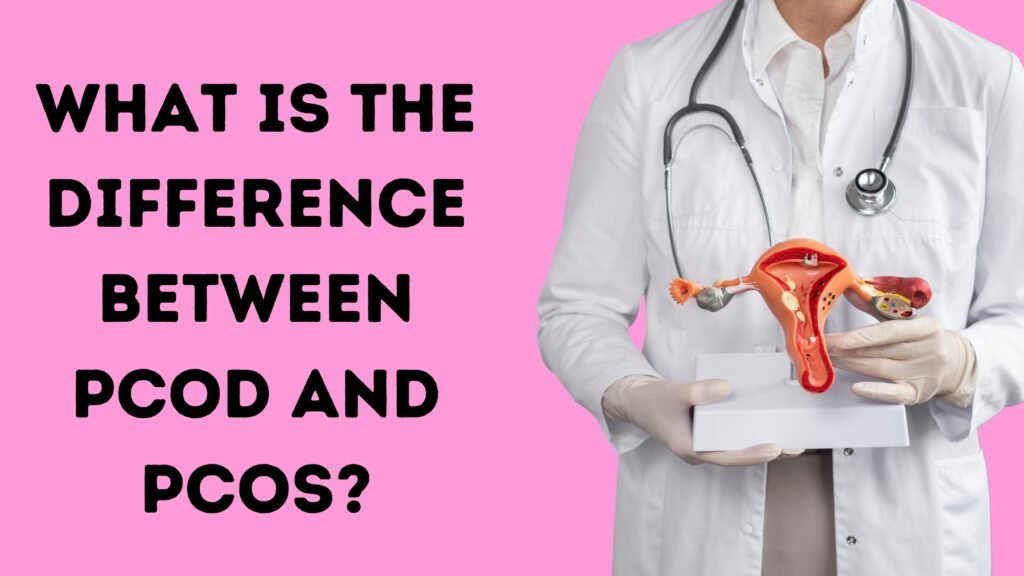
When we talk about women’s health, one of the most common concerns that often comes up is the confusion between PCOD and PCOS. These two conditions are frequently used interchangeably, but they are not exactly the same. Understanding the difference between PCOS and PCOD is crucial for better awareness and timely treatment. Both are hormonal disorders related to the ovaries, but they differ in causes, severity, and impact. Many women suffer silently due to lack of awareness, so it’s important to seek expert guidance from trusted medical centers like the Best Health Care Super Specialty Hospital in Hansi Let’s explore what exactly these conditions are, their symptoms, causes, and how to manage them effectively for better reproductive and overall health.
Understanding PCOD and PCOS: The Basics
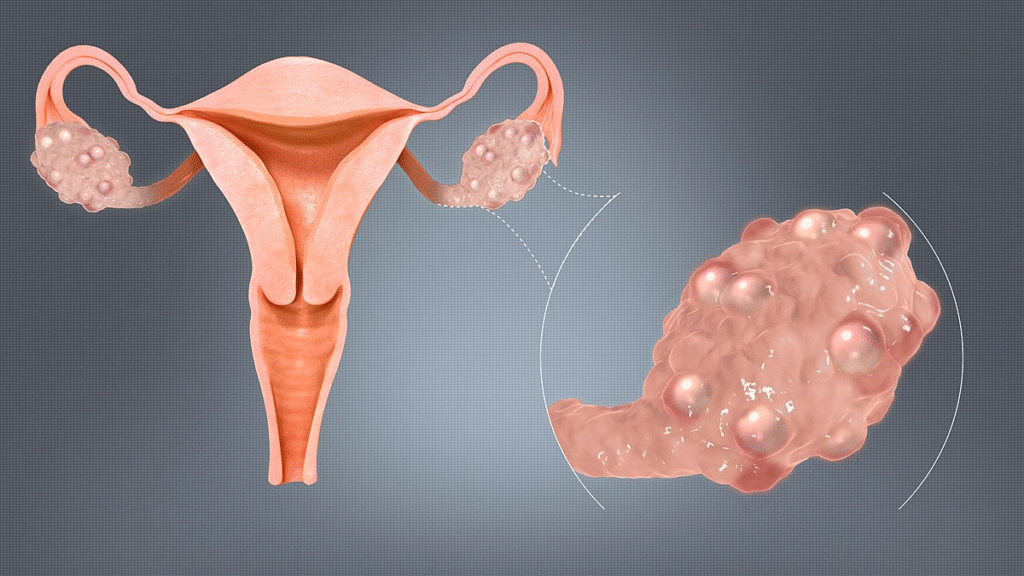
Before we dive into the difference between PCOS and PCOD, it’s important to understand what each condition means. PCOD in gynaecology refers to Polycystic Ovarian Disease, where the ovaries release immature or partially mature eggs, which eventually turn into cysts. This can cause hormonal imbalance and lead to irregular periods, weight gain, and fertility issues. On the other hand, PCOS or Polycystic Ovary Syndrome is a metabolic and endocrine disorder in which the ovaries produce higher-than-normal male hormones, resulting in anovulation (lack of ovulation), insulin resistance, and more severe symptoms.
The PCOD vs PCOS debate has been ongoing for years, as both conditions share similar characteristics. However, understanding what is the difference between PCOD and PCOS helps women identify their symptoms and get the right medical advice.
Causes of PCOD and PCOS
The exact causes of PCOD and PCOS are still being studied, but several factors contribute to their development. In the case of PCOD in gynaecology, the condition is often linked to lifestyle choices, stress, and hormonal imbalance. It may not always cause severe complications, and with proper diet, exercise, and hormonal regulation, symptoms can be managed effectively.
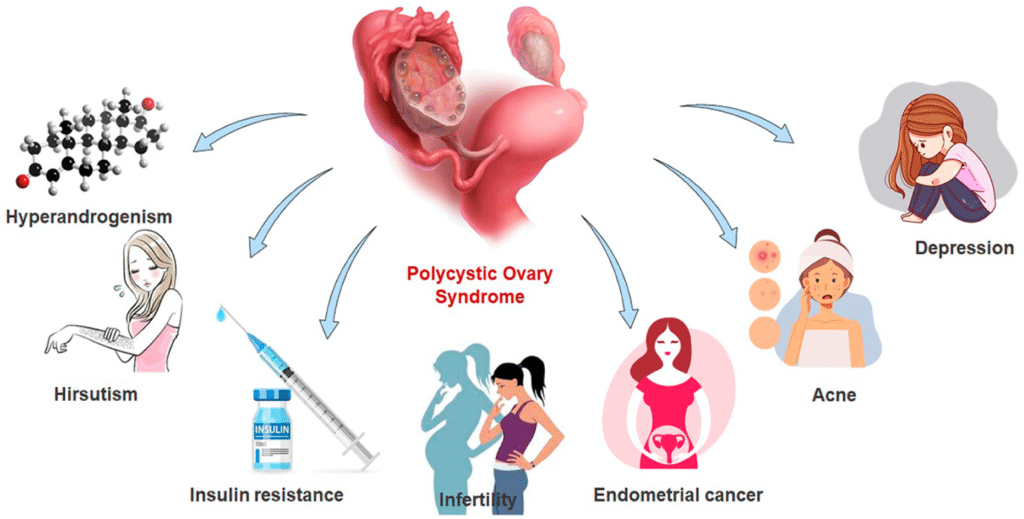
In contrast, PCOS has a more complex root cause involving genetics and hormonal dysfunction. Women with a family history of PCOS are at a higher risk of developing the condition. The difference between PCOS and PCOD becomes more evident when we look at insulin resistance. In PCOS, insulin resistance is a significant factor that leads to increased androgen levels, acne, and irregular cycles.
When discussing PCOD vs PCOS, it’s also essential to mention that PCOD is more common and less severe, while PCOS is a metabolic syndrome that can affect the entire body. Poor diet, obesity, and lack of physical activity can worsen both conditions.
Common Symptoms of PCOD and PCOS
The PCOD problem symptoms are often mild compared to PCOS. Women with PCOD usually experience irregular periods, weight gain, acne, hair fall, and difficulty conceiving. The ovaries may become enlarged due to multiple cysts. In PCOD in gynaecology, the hormonal imbalance can be corrected with lifestyle changes, making it more manageable.
However, PCOS symptoms are more severe and systemic. Women may experience excessive facial hair, deep voice, infertility, insulin resistance, dark skin patches, and severe menstrual irregularities. The difference between PCOS and PCOD symptoms lies in the intensity and impact on metabolism and fertility.
When comparing PCOD vs PCOS, PCOS is a more serious hormonal condition that needs medical intervention. The PCOD problem symptoms may not always interfere with ovulation, but in PCOS, ovulation often stops completely. This is one of the major distinctions when discussing what is the difference between PCOD and PCOS.
Hormonal Imbalance in PCOD and PCOS
Hormones play a major role in both conditions. In PCOD in gynaecology, the imbalance primarily involves estrogen and progesterone levels, whereas in PCOS, there is an increased secretion of androgens (male hormones). This hormonal disruption affects menstrual regularity, ovulation, and fertility.
Understanding the difference between PCOS and PCOD in terms of hormonal balance is vital. PCOS leads to a more severe hormonal imbalance that can cause long-term complications like diabetes, hypertension, and heart disease. On the other hand, PCOD may cause hormonal fluctuations that are temporary and can be corrected through lifestyle management.
PCOD vs PCOS: Impact on Fertility
Fertility issues are common in both PCOD and PCOS, but their severity differs. Women with PCOD still release eggs, although irregularly, which means they can conceive with minimal medical help. However, in PCOS, the lack of ovulation makes conception more challenging. This highlights the key difference between PCOS and PCOD symptoms related to reproductive health.
When doctors explain PCOD in gynaecology, they often reassure patients that PCOD can be reversed or controlled with proper diet, exercise, and hormonal therapy. But PCOS, being more complex, may require long-term treatment and monitoring.
What is the Difference Between PCOD and PCOS?
To understand what is the difference between PCOD and PCOS, let’s summarize:
PCOD (Polycystic Ovarian Disease) is a condition where the ovaries produce immature eggs that turn into cysts. It’s mainly a hormonal imbalance that can be managed with lifestyle changes.
PCOS (Polycystic Ovary Syndrome) is a more serious metabolic disorder involving higher androgen levels, insulin resistance, and anovulation.
The difference between PCOS and PCOD lies in their intensity, impact, and hormonal involvement. While PCOD affects the ovaries, PCOS impacts the whole body. The PCOD problem symptoms can be controlled naturally, whereas PCOS often needs medical treatment. Understanding the difference between PCOS and PCOD symptoms helps women seek early diagnosis and treatment.
Lifestyle and Dietary Factors in PCOD and PCOS
Both PCOD and PCOS are strongly influenced by lifestyle. A sedentary lifestyle, poor eating habits, and stress can trigger hormonal imbalance. Managing diet and maintaining physical activity is crucial for both conditions. When comparing PCOD vs PCOS, it’s clear that lifestyle plays a larger role in controlling PCOD, while PCOS requires a more comprehensive approach.
In PCOD in gynaecology, doctors often recommend a diet low in sugar and refined carbs to help regulate insulin and hormonal levels. For PCOS, the same advice applies, but with more focus on managing insulin resistance and weight loss. Women should avoid processed foods, include fiber-rich meals, and stay hydrated.
PCOD Problem Symptoms and Diagnosis
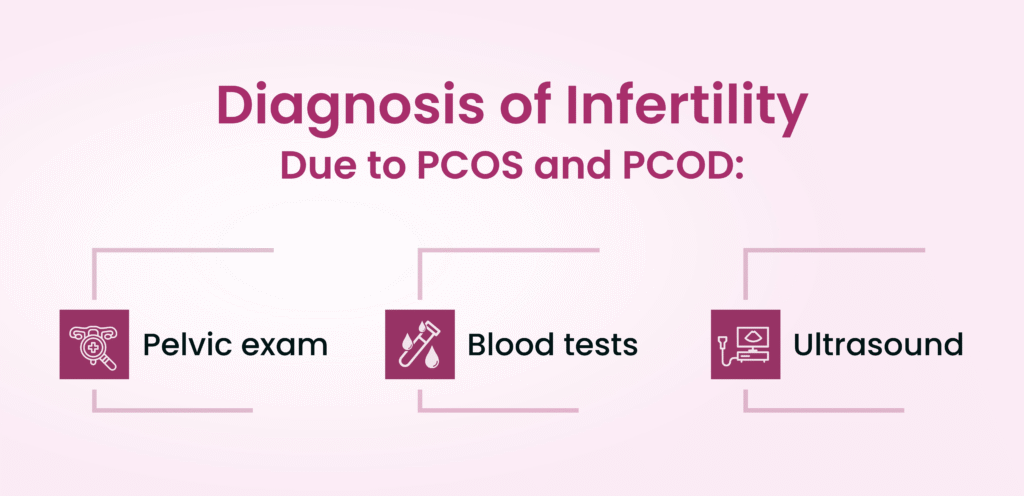
The PCOD problem symptoms are often subtle in the beginning. Women might ignore irregular periods or slight weight gain, not realizing it’s a sign of PCOD in gynaecology. A pelvic ultrasound and blood tests are usually done to confirm the diagnosis. The presence of multiple small cysts in the ovaries indicates PCOD.
For PCOS, the diagnosis is based on the Rotterdam criteria, which include irregular periods, high androgen levels, and visible cysts on the ovaries. Understanding the difference between PCOS and PCOD during diagnosis helps in planning effective treatment.
Treatment for PCOD and PCOS
The treatment for PCOD and PCOS differs based on symptoms. For PCOD, lifestyle changes such as exercise, a balanced diet, and stress reduction can bring hormones back to balance. Oral contraceptives may be prescribed to regulate menstrual cycles.
For PCOS, treatment is more complex. It involves medications to control insulin resistance, regulate periods, and reduce androgen levels. Doctors may also suggest fertility treatments for women trying to conceive. The difference between PCOS and PCOD in treatment lies in the approach—PCOD is reversible with natural methods, while PCOS requires continuous medical attention.
Managing PCOD and PCOS Naturally
In both PCOD and PCOS, lifestyle management is the key. Yoga, meditation, and a nutritious diet can greatly improve hormonal balance. Avoiding junk food, sugar, and trans fats is essential. Women should focus on improving sleep patterns and managing stress, as these factors directly affect hormonal health.
The difference between PCOS and PCOD symptoms also highlights the need for personalized care. Women with PCOD problem symptoms might see improvements within a few months, while those with PCOS may need more time. Regular medical checkups are necessary to track progress and prevent complications.
Complications Associated with PCOD and PCOS
If left untreated, both PCOD and PCOS can lead to long-term health problems. In PCOD, complications include infertility, obesity, and metabolic issues. In PCOS, the risks are higher, including diabetes, hypertension, endometrial cancer, and cardiovascular diseases. This is one major difference between PCOS and PCOD in terms of risk factors.
PCOD in gynaecology emphasizes early intervention to prevent these complications. Doctors often recommend lifestyle modifications as the first step. Women must understand what is the difference between PCOD and PCOS to recognize their condition and take timely action. Consulting the Best Gynaecologist Obstetrician in Hansi can help in accurate diagnosis, personalized treatment, and effective management of hormonal health.
PCOD vs PCOS: Myths and Facts
There are many myths surrounding PCOD and PCOS. Some believe these conditions make pregnancy impossible, but that’s not true. Women with PCOD can conceive naturally, while those with PCOS may need fertility assistance. Another myth is that only overweight women suffer from these conditions. In reality, even thin women can have hormonal imbalance leading to PCOD problem symptoms.
The difference between PCOS and PCOD also includes how they affect overall health. PCOD mainly affects ovaries, while PCOS impacts hormones, metabolism, and cardiovascular functions. Understanding PCOD in gynaecology can help bust these myths and promote awareness.
Preventing PCOD and PCOS
Prevention is always better than cure. To prevent PCOD and PCOS, maintaining a healthy weight, eating nutritious food, and exercising regularly are essential. Stress management plays a vital role as stress hormones can disrupt ovulation.
The difference between PCOS and PCOD symptoms might seem small, but early detection can prevent further complications. Women should monitor their menstrual cycles and consult a gynaecologist if they notice irregularities.
Conclusion
In conclusion, both PCOD and PCOS are common but distinct hormonal disorders. The difference between PCOS and PCOD lies in their severity, cause, and long-term effects. While PCOD is more about ovarian imbalance, PCOS is a broader metabolic issue. Recognizing PCOD problem symptoms and seeking timely medical help can make a significant difference in a woman’s life.
Understanding what is the difference between PCOD and PCOS empowers women to take charge of their health. Whether it’s PCOD in gynaecology or PCOS as an endocrine condition, both require awareness, lifestyle management, and proper medical guidance. By knowing the difference between PCOS and PCOD symptoms, women can choose the right path toward better health and well-being.
So, while the debate of PCOD vs PCOS continues, one thing remains clear—awareness and early intervention are the most powerful tools to manage these conditions and live a healthy, confident life.
FAQS
What is the main difference between PCOD and PCOS?
The main difference between PCOD and PCOS is that PCOD (Polycystic Ovarian Disease) is a mild hormonal imbalance where ovaries produce immature eggs, while PCOS (Polycystic Ovary Syndrome) is a more severe metabolic disorder causing higher androgen levels and irregular ovulation.
What are the common symptoms of PCOD and PCOS?
Common PCOD problem symptoms include irregular periods, acne, hair fall, and weight gain. PCOS symptoms are more intense, such as excessive facial hair, insulin resistance, infertility, and severe hormonal imbalance.
Can PCOD and PCOS affect fertility?
Yes. Both PCOD and PCOS can affect fertility, but in different ways. Women with PCOD can still ovulate irregularly, whereas in PCOS, ovulation may stop completely, making conception more difficult.
What causes PCOD and PCOS?
Both conditions are caused by hormonal imbalance, poor diet, stress, and genetics. However, PCOD in gynaecology is mainly related to lifestyle, while PCOS is influenced by metabolic and endocrine dysfunction.
How are PCOD and PCOS treated?
Treatment for PCOD and PCOS includes lifestyle changes, weight management, hormonal therapy, and medications to control insulin resistance. In severe PCOS cases, fertility treatments may also be required.
Can PCOD and PCOS be cured naturally?
While there is no complete cure, both PCOD and PCOS can be effectively managed. A balanced diet, regular exercise, stress control, and proper sleep can help regulate hormones and improve symptoms naturally.