- MALIK SUPER SPECIALITY HOSPITAL HANSI
- info@maliksuperspecialityhospital.com
 Emergency

Gynecologic Laparoscopy Explained: Why It’s Done, How It Works & What to Expect

Life After Gallstone Surgery: What to Expect and How to Recover Smoothly
November 15, 2025
Simple Daily Habits to Keep Your Kidneys Healthy and Strong
December 11, 2025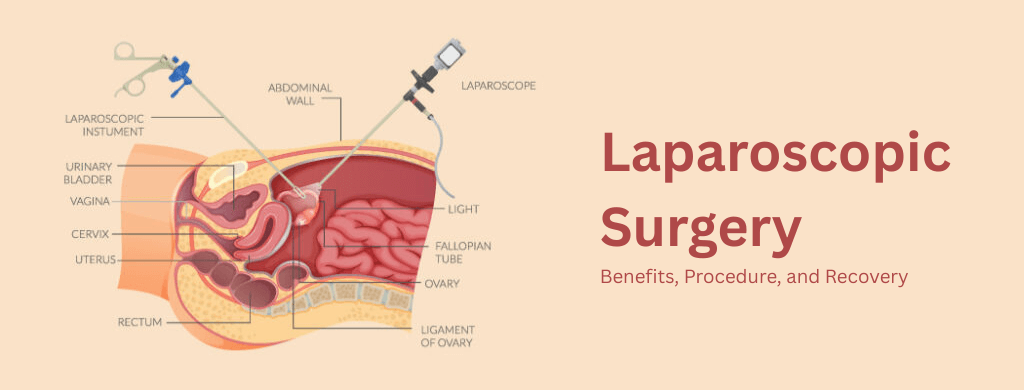
Gynecologic laparoscopy is one of the most trusted methods in modern women’s healthcare because it combines precision, safety, and quicker healing compared to open surgeries. This article explains gynecologic laparoscopy in detail using simple language. It also highlights how laparoscopic gynecological surgery works, how a laparoscopy operation is performed, what laparoscopic surgery recovery looks like, what to expect in menstruation after laparoscopy, the role of laparoscopy uterus removal, how laparoscopy treatment helps women, and why many women choose a laser and laparoscopic hospital for better outcomes. If you are looking for expert care, consulting an experienced laparoscopic surgeon in hansi can make a significant difference in receiving accurate diagnosis, advanced treatment options, and safer surgical results.
Gynecologic laparoscopy
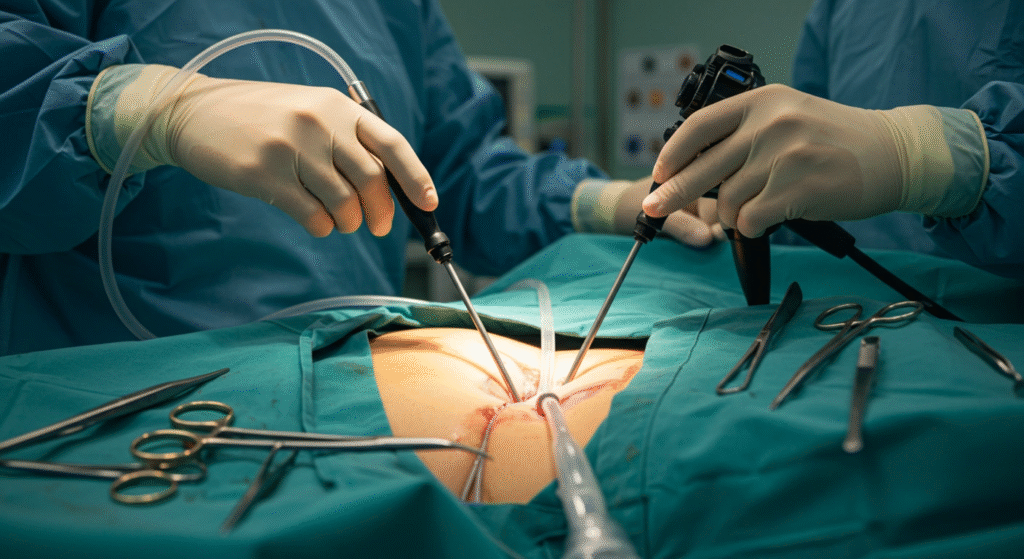
Gynecologic laparoscopy is a minimally invasive procedure used to diagnose and treat female reproductive conditions. In a gynecologic laparoscopy, doctors use small incisions to access the pelvic organs, making the process safer and faster. Many women prefer gynecologic laparoscopy because laparoscopic gynecological surgery offers minimal pain, fewer complications, and quicker recovery. A laparoscopy operation is ideal for ovarian cysts, fibroids, infertility evaluations, and endometriosis. Gynecologic laparoscopy is also used in laparoscopy uterus removal and different laparoscopy treatment procedures. For advanced care, many women choose a laser and laparoscopic hospital offering specialized technologies and better laparoscopic surgery recovery.
Reasons for gynecologic laparoscopy
There are several medical reasons why doctors recommend gynecologic laparoscopy. Some reasons include diagnosing infertility, treating ovarian cysts, examining pelvic pain, and removing fibroids. Gynecologic laparoscopy is very helpful in laparoscopic gynecological surgery because it allows doctors to see inside the pelvis clearly without large cuts. A laparoscopy operation can also help detect endometriosis, blocked tubes, or internal abnormalities. Many women undergo laparoscopy uterus removal for fibroids or heavy bleeding. Laparoscopy treatment offers both diagnostic and therapeutic benefits, contributing to quick laparoscopic surgery recovery. Most patients prefer a laser and laparoscopic hospital for precision and minimal discomfort.
Common reasons include:
- Unexplained pelvic pain
- Infertility investigations
- Diagnosis of endometriosis
- Removal of cysts or fibroids
- Evaluation of abnormal bleeding
- Laparoscopy uterus removal
- Laparoscopy treatment for adhesions or infections
Preparing for gynecologic laparoscopy
Preparing for gynecologic laparoscopy is important to ensure a smooth surgical experience. Before laparoscopic gynecological surgery, doctors advise patients to undergo blood tests, ultrasounds, and general evaluations. Fasting for several hours before a laparoscopy operation is commonly required. Patients should discuss allergies, medications, and previous surgeries. Preparation also includes understanding laparoscopic surgery recovery and post-procedure expectations. Women planning laparoscopy uterus removal or other laparoscopy treatment should plan time off for rest. Doctors in a laser and laparoscopic hospital guide patients on diet, hydration, and menstrual cycle considerations, especially regarding menstruation after laparoscopy for safe outcomes.
Preparation Tips:
- Avoid heavy meals before surgery
- Share complete medical history
- Arrange transportation post-surgery
- Wear comfortable clothes
- Clarify doubts about menstruation after laparoscopy
- Follow instructions from the laser and laparoscopic hospital
Procedure
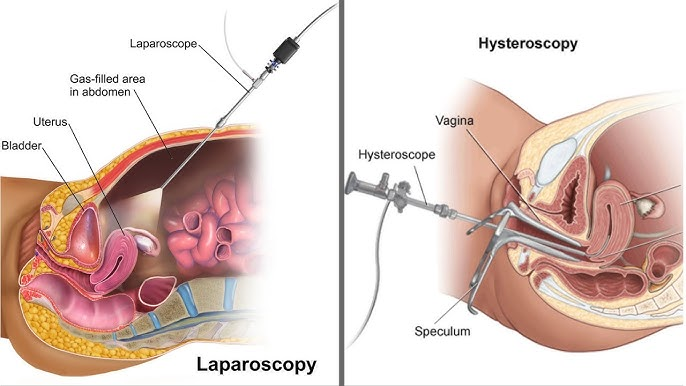
During a gynecologic laparoscopy procedure, a small incision is made near the navel, and carbon dioxide gas is used to inflate the abdomen. This creates space for clear visibility. A camera-fitted device called a laparoscope is inserted, allowing the surgeon to examine internal organs. Depending on the condition, laparoscopic gynecological surgery may involve additional small incisions for instruments. A laparoscopy operation is used for cyst removal, tubal evaluation, treating endometriosis, or performing laparoscopy uterus removal. Modern laparoscopy treatment offers high precision with minimal scarring. Most women experience fast laparoscopic surgery recovery when treated in a laser and laparoscopic hospital.
Key Steps:
- Anesthesia administration
- Small abdominal incisions
- Insertion of laparoscope
- Treatment or diagnosis
- Closure of incisions
- Monitoring before discharge
Advances in laparoscopy
Advances in laparoscopy have completely transformed women’s healthcare. With improved imaging, robotic assistance, and laser-based tools, laparoscopic gynecological surgery has become safer and more accurate. Many conditions that once required open surgery can now be treated with a laparoscopy operation. Laparoscopy uterus removal has become easier due to these advancements. Modern laparoscopy treatment also helps reduce pain and improve laparoscopic surgery recovery. Technology at a laser and laparoscopic hospital provides sharper visuals and flexible instruments, making delicate procedures simpler. These advances also support better understanding of menstruation after laparoscopy and promote faster healing without long hospital stays.
Major Advances:
- Robotic-assisted laparoscopy
- High-definition imaging
- Laser-powered instruments
- Reduced incision sizes
- Faster laparoscopic surgery recovery
- Better outcomes in laparoscopy treatment
Risks of laparoscopy
Although gynecologic laparoscopy is considered safe, every surgical procedure has potential risks. Laparoscopic gynecological surgery involves anesthesia, which may cause reactions in rare cases. A laparoscopy operation could lead to infection, bleeding, or injury to nearby organs, although the chances are low. Women undergoing laparoscopy uterus removal or other laparoscopy treatment must stay aware of symptoms like fever or unusual pain. Some women may notice temporary changes in menstruation after laparoscopy. Laparoscopic surgery recovery may take slightly longer if complications arise. Choosing an experienced surgeon and a trusted laser and laparoscopic hospital significantly decreases these risks.
Possible Risks:
- Internal bleeding
- Gas-related discomfort
- Infection at incision site
- Temporary shoulder pain
- Irregular menstruation after laparoscopy
- Rare organ injury
Recovery after laparoscopy
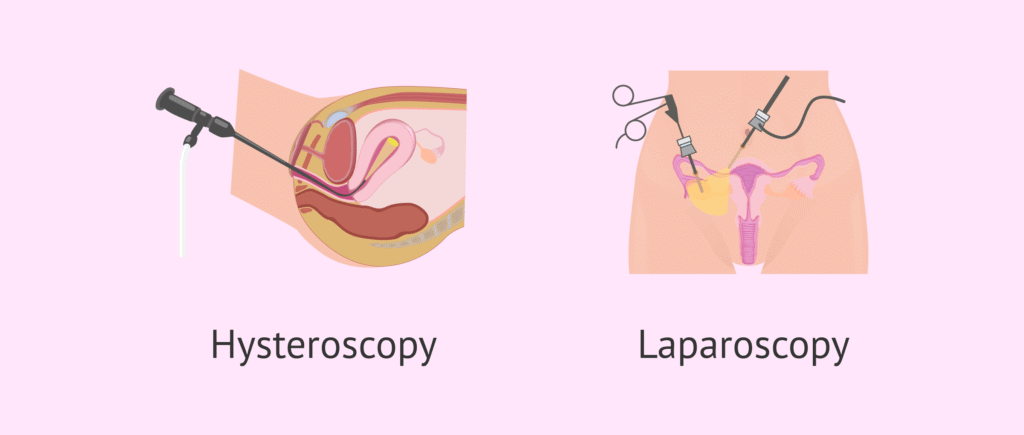
Laparoscopic surgery recovery allows women to resume daily activities much sooner, though some may notice temporary menstruation after laparoscopy changes due to mild hormonal shifts. Following all post-operative instructions given by a laser and laparoscopic hospital is essential to ensure faster, safer, and complication-free healing. For those seeking expert care and advanced treatment, choosing the best health care at malik super specialty hospital hansi provides added assurance of quality, safety, and excellent recovery support.
Recovery after laparoscopy is usually smooth and faster compared to open surgeries. Most women return home the same day after a laparoscopic gynecological surgery, and a typical laparoscopy operation requires about 1–2 weeks of rest. Women who undergo laparoscopy uterus removal may need slightly longer healing time. Laparoscopy treatment generally causes minimal discomfort, and doctors usually recommend simple pain medications for relief.
Recovery Tips:
- Avoid heavy lifting
- Stay hydrated
- Rest adequately
- Monitor menstruation after laparoscopy
- Take medications on time
- Attend follow-up appointments
FAQS
What is gynecologic laparoscopy?
Gynecologic laparoscopy is a minimally invasive surgery that uses small incisions and a camera to diagnose or treat reproductive system conditions safely and effectively.
Why is gynecologic laparoscopy recommended?
Doctors recommend it for diagnosing infertility, treating cysts, checking pelvic pain, removing fibroids, treating endometriosis, and performing uterus removal.
How is a laparoscopic procedure performed?
A small incision is made near the navel, the abdomen is inflated, and a laparoscope with a camera is inserted to perform diagnosis or treatment with precision.
How long does recovery after laparoscopy take?
Recovery usually takes 1–2 weeks, depending on the condition treated. Most women return home the same day and resume daily activities within a few days.
Are there any risks in gynecologic laparoscopy?
Risks are rare but may include infection, bleeding, gas-related pain, or temporary menstrual changes. Choosing an experienced surgeon reduces complications.
Will menstruation change after laparoscopy?
Yes, menstruation may be early, delayed, or slightly irregular for a short period due to hormonal and physical changes. Cycles typically normalize within 1–2 months.