- MALIK SUPER SPECIALITY HOSPITAL HANSI
- info@maliksuperspecialityhospital.com
 Emergency

Everything You Need to Know About Kidney Transplant: Procedure, Advantages, Risks, and Recovery

Pregnancy and Blood Spotting: Understanding What’s Normal and What’s Not
January 14, 2026
7 Critical Signs Men Should Never Ignore Before Seeing a Urologist
February 25, 2026
A Kidney Transplant is one of the most advanced and life-saving medical procedures available today for patients suffering from end-stage kidney disease. When the kidneys lose their ability to filter waste and excess fluids from the blood, a transplant often becomes the most effective long-term solution. Under the care of the best urologist doctor in hansi this procedure is performed with precision and advanced medical expertise. A Kidney Transplant not only improves survival rates but also significantly enhances the quality of life for patients by restoring normal kidney function and overall well-being.
In this comprehensive guide, we will cover everything you need to know about Kidney Transplant, including how it works, who needs it, the procedure involved, advantages, possible risks, and the recovery process. Understanding these aspects can help patients and their families make informed decisions with confidence.
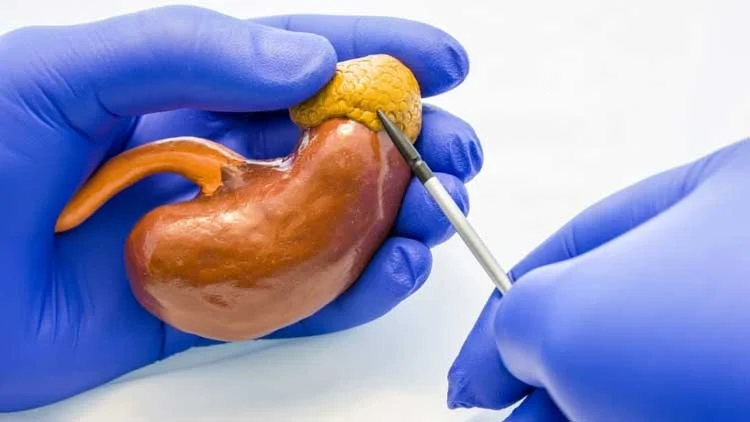
What Is a Kidney Transplant
A Kidney Transplant is a surgical procedure in which a healthy kidney from a living or deceased donor is placed into a patient whose kidneys are no longer functioning properly. Unlike dialysis, which only partially replaces kidney function, a Kidney Transplant can perform nearly all the normal functions of healthy kidneys.
The transplanted kidney takes over the job of filtering blood, removing waste products, balancing fluids, and regulating essential minerals and hormones in the body.
Who Needs a Kidney Transplant
A Kidney Transplant is recommended for individuals with end-stage renal disease (ESRD) or chronic kidney failure where kidney function has dropped below a critical level. Patients who require frequent dialysis sessions often consider a Kidney Transplant as a more permanent solution.
Common conditions that may lead to the need for a Kidney Transplant include:
- Chronic kidney disease
- Diabetes-related kidney damage
- High blood pressure affecting kidney function
- Polycystic kidney disease
- Glomerulonephritis
- Inherited kidney disorders
Not every patient is immediately eligible for a Kidney Transplant. A detailed medical evaluation is essential to ensure that the patient is fit for surgery and long-term treatment.
Types of Kidney Transplant
There are different types of Kidney Transplant options depending on the donor source. Each type has its own advantages and considerations.
Living Donor Kidney Transplant
In this type of Kidney Transplant, the kidney is donated by a living person, often a family member or close relative.
Benefits include:
- Shorter waiting time
- Better compatibility
- Longer survival of the transplanted kidney
Deceased Donor Kidney Transplant
This Kidney Transplant uses a kidney from a donor who has passed away and consented to organ donation.
Key points:
- Longer waiting period
- Strict matching process
- Life-saving option for many patients
Both types of Kidney Transplant are widely practiced and medically effective when performed under proper conditions.
Kidney Transplant Procedure Explained
The Kidney Transplant procedure is a carefully planned surgery performed by an experienced transplant team. Understanding the steps involved can reduce fear and anxiety for patients.
Before the Surgery
Before undergoing a Kidney Transplant, the patient undergoes thorough evaluations, including:
- Blood tests
- Imaging studies
- Heart and lung assessments
- Compatibility tests with the donor
Patients are also counseled about lifelong medications and post-transplant care.
During the Surgery
The Kidney Transplant surgery typically lasts 3 to 4 hours. During the procedure:
- The new kidney is placed in the lower abdomen
- Blood vessels are connected to restore blood flow
- The ureter is connected to the bladder to allow urine flow
- The patient’s original kidneys are usually left in place unless medically required
After the Surgery
Once the Kidney Transplant is completed:
- The patient is monitored in the hospital
- Kidney function is closely observed
- Medications are started to prevent rejection
Many patients begin producing urine almost immediately after the Kidney Transplant.
Advantages of Kidney Transplant
A Kidney Transplant offers numerous advantages compared to long-term dialysis. It is often considered the best treatment option for suitable patients.
Major advantages include:
- Improved quality of life
- Greater freedom from dialysis schedules
- Better energy levels
- Fewer dietary restrictions
- Improved survival rates
- Better mental and emotional well-being
Patients who undergo a successful Kidney Transplant often return to normal daily activities, work, and social life much faster than those dependent on dialysis.
Risks and Complications of Kidney Transplant
While a Kidney Transplant is highly effective, it is still a major surgical procedure and comes with certain risks. Understanding these risks helps patients stay prepared and alert.
Possible risks include:
- Surgical complications such as bleeding or infection
- Rejection of the transplanted kidney
- Side effects of immunosuppressive medications
- Increased risk of infections
- High blood pressure
- Diabetes after transplant
Rejection does not always mean failure. With timely treatment and medical care, many rejection episodes can be controlled successfully.

Importance of Immuno Suppressive Medications
After a Kidney Transplant, the body’s immune system may recognize the new kidney as foreign and attempt to attack it. To prevent this, patients must take immunosuppressive medications for life.
Key points to remember:
- Medications must be taken exactly as prescribed
- Missing doses can lead to rejection
- Regular follow-ups are essential
- Dosages may change over time
These medicines play a vital role in the long-term success of a Kidney Transplant.
Recovery After Kidney Transplant
Recovery after a Kidney Transplant is gradual and requires patience, discipline, and consistent medical care.
Hospital Recovery
Most patients stay in the hospital for:
- 5 to 10 days, depending on recovery speed
- Close monitoring of kidney function
- Adjustment of medications
At-Home Recovery
Once discharged, recovery continues at home. Patients are advised to:
- Take medications on time
- Avoid heavy lifting initially
- Maintain proper hygiene
- Follow dietary guidelines
- Attend regular follow-up appointments
Full recovery after a Kidney Transplant may take 6 to 12 weeks, depending on individual health conditions.
Lifestyle Changes After Kidney Transplant
A successful Kidney Transplant requires long-term lifestyle adjustments to protect the new kidney and overall health.
Important lifestyle tips include:
- Balanced and nutritious diet
- Regular physical activity
- Avoid smoking and alcohol
- Maintain healthy body weight
- Monitor blood pressure and sugar levels
- Manage stress effectively
These changes help ensure the longevity of the transplanted kidney and overall well-being.
Diet After Kidney Transplant
Diet plays a crucial role after a Kidney Transplant. Although dietary restrictions are fewer than during dialysis, patients must still be cautious.
General dietary guidelines:
- High-quality protein intake
- Controlled salt consumption
- Adequate hydration
- Limited processed foods
- Avoid raw or unhygienic foods initially
A personalized diet plan is often recommended for Kidney Transplant patients.
Emotional and Psychological Aspects
Undergoing a Kidney Transplant can be emotionally overwhelming. Patients may experience:
- Anxiety before surgery
- Fear of rejection
- Emotional highs and lows during recovery
Emotional support from family, counseling, and support groups can significantly improve mental health during the Kidney Transplant journey.
Long-Term Outlook of Kidney Transplant
With advances in medical science, the success rate of Kidney Transplant procedures has improved dramatically. Many transplanted kidneys function well for 15 to 25 years or even longer with proper care.
Long-term success depends on:
- Medication adherence
- Healthy lifestyle
- Regular medical follow-ups
- Early detection of complications
A Kidney Transplant is not a cure but a long-term treatment that requires commitment.

Final Thoughts
A Kidney Transplant is a life-changing procedure that offers hope, independence, and an improved quality of life to patients with kidney failure. While the journey involves surgery, lifelong medications, and careful monitoring, the benefits often outweigh the challenges for eligible patients. At Best Health Care Hospital in Hansi patients receive comprehensive care, advanced surgical expertise, and continuous medical support to ensure successful transplant outcomes and long-term health.
Understanding the procedure, advantages, risks, and recovery process empowers patients and families to make confident decisions. With proper medical guidance, emotional support, and lifestyle management, a Kidney Transplant can open the door to a healthier and more fulfilling life.