- MALIK SUPER SPECIALITY HOSPITAL HANSI
- info@maliksuperspecialityhospital.com

Smart Living After Kidney Transplant: Essential Tips for a Healthy Life

Post LSCS Care Tips & Ovarian Cyst: Complete Recovery Guide
April 22, 2026
How to Keep Your Kidneys Healthy: The Complete Guide to Lifelong Kidney Wellness
May 1, 2026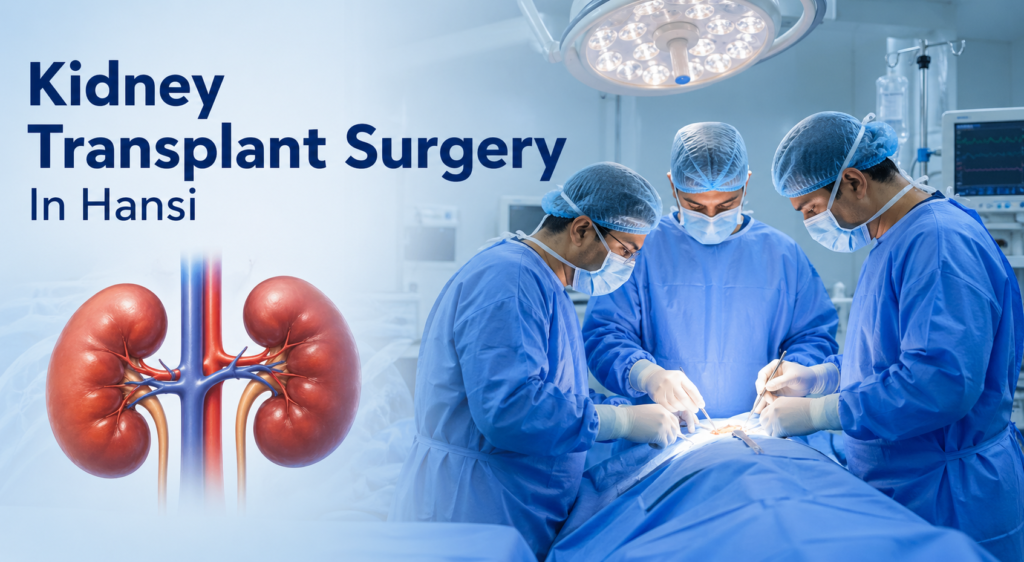
A kidney transplant is a life-changing milestone that brings new hope and a better quality of life. After the surgery, the focus shifts from treatment to long-term care, daily discipline, and healthy habits. Living well after a kidney transplant is not only about protecting the new kidney, but also about building a lifestyle that supports overall strength, stability, and confidence. With proper guidance and expert care from the best urologist doctor in hansi patients can ensure a smoother recovery and long-term success after transplant.
The recovery journey can feel overwhelming at first, but with the right routine, most people are able to return to work, enjoy family life, and take part in daily activities again. The key is consistency. Small choices made every day can make a major difference in how well the transplanted kidney functions over time.
Follow Your Medicines Without Missing a Dose
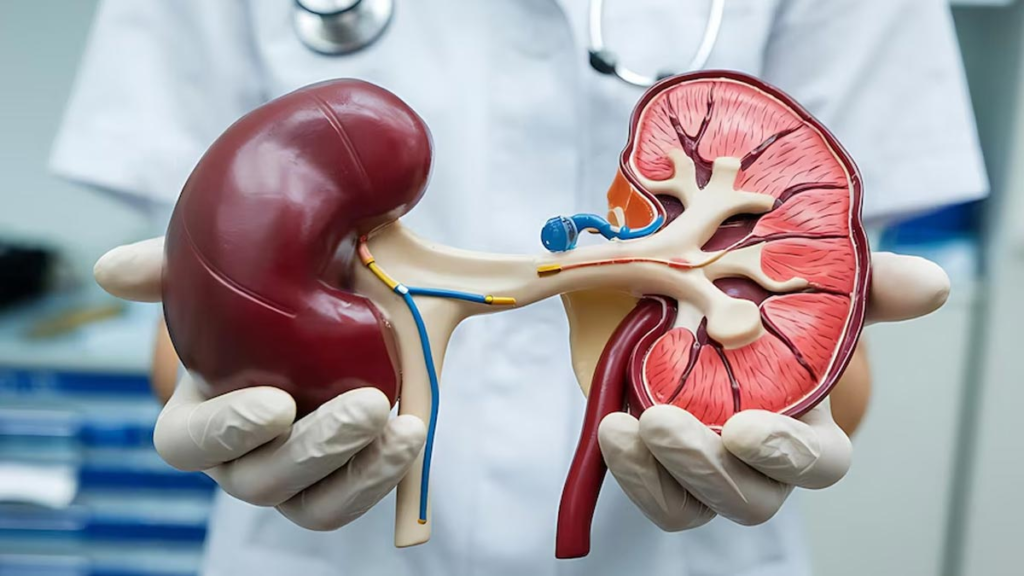
One of the most important parts of post-transplant life is taking medicines exactly as prescribed. These medicines help prevent the body from rejecting the new kidney and protect the transplant from damage. Skipping doses, changing timing, or stopping medicine without medical advice can put the kidney at serious risk.
A few helpful habits include:
- Setting phone reminders for medicine times
- Using a pill organizer
- Keeping an updated medicine list
- Refilling prescriptions before they run out
- Carrying medicines while traveling
It is also important to know what each medicine does and to report side effects early. Some medicines may affect blood pressure, blood sugar, appetite, or sleep. Open communication with the transplant team helps manage these issues before they become serious.
Choose Food That Supports Kidney Health
Food plays a big role in recovery and long-term wellness after a kidney transplant. A balanced diet helps maintain energy, supports healing, and reduces the risk of complications such as high blood pressure, diabetes, and weight gain.
A healthy eating pattern usually includes:
- Fresh fruits and vegetables
- Whole grains
- Lean protein sources such as fish, chicken, eggs, or legumes
- Low-fat dairy, if recommended
- Healthy fats in moderate amounts
At the same time, it is wise to limit processed foods, excess salt, sugary snacks, and very oily meals. These can affect blood pressure and overall health. Food safety is also extremely important because transplant medicines can lower immunity. Wash produce well, cook meats thoroughly, and avoid expired or improperly stored foods.
Some doctors may also recommend avoiding grapefruit or certain herbal products because they can interfere with transplant medicines. Dietary advice should always be personalized, since every patient has different needs.
Stay Active, But Move Wisely
Physical activity helps improve strength, heart health, mood, and stamina after a kidney transplant. Once the doctor says it is safe, regular movement can become a powerful part of recovery. The goal is not extreme exercise, but steady and safe activity.
Good options may include:
- Walking
- Light stretching
- Cycling at an easy pace
- Gentle yoga
- Simple home exercises
Exercise should be started gradually, especially after surgery. Overexertion can delay healing or cause injury. It is important to listen to the body and stop if there is pain, dizziness, or unusual tiredness.
A few smart rules:
- Begin only after medical clearance
- Warm up before activity
- Stay hydrated
- Avoid heavy lifting too early
- Build endurance step by step
Regular movement also helps improve confidence, which is especially important after a major medical experience.
Protect Yourself From Infections
Because transplant medicines reduce the immune system’s strength, infection prevention becomes a daily priority. Even minor infections can become more serious than usual, so precautions matter.
Simple ways to reduce risk include:
- Washing hands frequently
- Avoiding close contact with sick people
- Wearing a mask in crowded places if advised
- Keeping vaccinations updated according to medical guidance
- Cleaning cuts and wounds properly
- Practicing good food hygiene
It is also wise to be careful in public spaces during flu season or when infections are common. If there is fever, cough, burning during urination, diarrhea, or any unusual symptom, medical advice should be sought early. Acting quickly can prevent small problems from becoming major ones.
Watch Your Body and Attend Regular Checkups
After a kidney transplant, regular follow-up visits are essential. These appointments allow the doctor to check kidney function, blood pressure, blood sugar, medicine levels, and general health. Even if a person feels well, internal changes can happen quietly, so checkups should never be skipped.
Useful habits include:
- Keeping a record of blood pressure readings
- Tracking weight regularly
- Noting any swelling, fever, or pain
- Reporting changes in urine output
- Sharing all medicines and supplements with the doctor
It is also helpful to recognize warning signs early. Reduced urination, sudden weight gain, swelling in the feet, unusual tiredness, or persistent fever should not be ignored. A transplant is best protected when problems are addressed quickly.
Keep Stress Under Control and Protect Mental Health
A kidney transplant affects the body, but it also affects emotions. Many people feel relief, gratitude, fear, or uncertainty during recovery. These feelings are normal. Managing stress is an important part of staying healthy.
Healthy ways to support emotional balance include:
- Talking openly with family or trusted friends
- Joining a transplant support group
- Practicing deep breathing or meditation
- Maintaining a regular sleep routine
- Spending time on hobbies and enjoyable activities
Sleep is especially important because the body heals better when rested. Anxiety or low mood should be taken seriously, especially if it affects appetite, sleep, or motivation. Emotional well-being supports physical recovery in a meaningful way.
Build a Safe and Balanced Everyday Routine
A smart life after kidney transplant is built around steady habits. Daily routines make it easier to stay on track with medicines, meals, hydration, rest, and appointments. Structure reduces stress and helps the body adjust to long-term transplant care.
A balanced routine may include:
- Waking up and sleeping at consistent times
- Taking medicines on schedule
- Eating regular meals
- Staying active every day
- Drinking fluids as advised by the doctor
- Planning rest periods
- Preparing for follow-up visits in advance
Travel, work, and social life can all continue after transplant, but they should be planned carefully. Carry medicines, keep medical contact details handy, and avoid disruptions to the treatment routine. With thoughtful preparation, daily life can feel normal again while still protecting the transplant.
Long-Term Success Comes From Daily Discipline
A kidney transplant gives a second chance at better health, but the long-term outcome depends greatly on daily choices. There is no single secret to success. Rather, it is the combination of medicine discipline, healthy food, regular checkups, infection prevention, gentle activity, and mental balance that helps the transplanted kidney last as long as possible. With the right support and guidance from a best health care hospital in hansi patients can maintain their health effectively and improve the longevity of their transplanted kidney
The most important mindset is partnership with the healthcare team. Every question matters, every symptom matters, and every routine choice matters. With patience and care, a person can build a full and active life after transplant while giving the new kidney the best chance to thrive.