- MALIK SUPER SPECIALITY HOSPITAL HANSI
- info@maliksuperspecialityhospital.com

9 Essential Lifestyle Changes for Healthy Kidneys and Strong Renal Health

10 Important Things Every Pregnant Woman Should Avoid
December 19, 2025
Understanding Acute Kidney Injury Symptoms: From Early Signs to Serious Complications
January 9, 2026
Overview
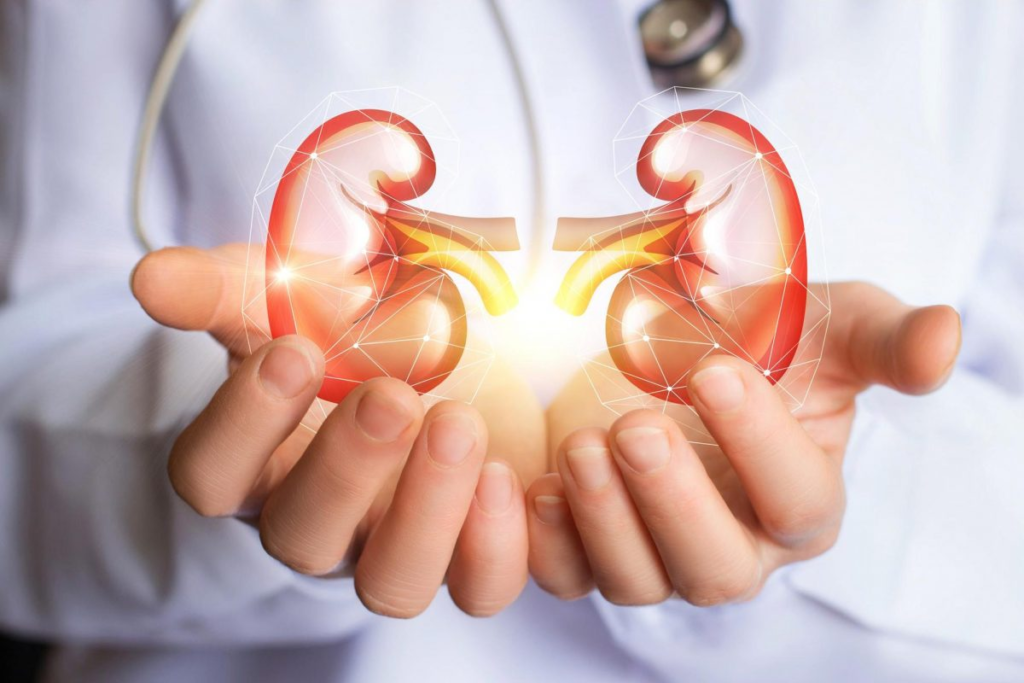
Healthy kidneys are vital for a healthy life. Kidneys play a crucial role in filtering waste products, balancing fluids, regulating blood pressure, and maintaining overall metabolic balance. When kidney function declines, it affects almost every system in the body. Maintaining strong renal health is not just about avoiding disease; it is about adopting daily habits that support healthy kidneys over the long term and seeking timely guidance from the best urologist doctor in hansi for expert diagnosis, prevention, and treatment of kidney-related conditions.
In today’s fast-paced lifestyle, poor diet, lack of exercise, stress, dehydration, and unmanaged medical conditions have significantly increased the risk of renal failure. Hospitals like Malik Super Speciality Hospital regularly treat patients suffering from kidney-related disorders that could have been prevented or delayed with timely lifestyle changes.
This article explains the causes and symptoms of renal failure and focuses on 9 essential lifestyle changes that can help maintain healthy kidneys and strong renal health. With proper awareness and preventive care, kidney health can be protected effectively.

Causes of Renal Failure
Renal failure occurs when the kidneys lose their ability to function properly. It can develop gradually over time (chronic renal failure) or occur suddenly (acute renal failure). Understanding the causes is the first step toward protecting renal health.
Common causes of renal failure include:
- Diabetes: High blood sugar damages kidney filters over time
- High blood pressure: Constant pressure harms kidney blood vessels
- Chronic dehydration: Reduces kidney efficiency
- Excessive use of painkillers: Long-term use damages kidney tissue
- Kidney infections or stones: Recurrent issues impair kidney function
- Autoimmune diseases: Cause inflammation of kidney tissues
- Unhealthy lifestyle habits: Poor diet, smoking, alcohol intake
- Family history of kidney disease
At Malik Super Speciality Hospital, specialists often emphasize early identification of these causes to prevent irreversible kidney damage and promote long-term renal health.
Symptoms of Renal Failure
Renal failure often progresses silently, especially in the early stages. Many people do not notice symptoms until kidney damage becomes severe. Recognizing early warning signs can help in timely treatment and better kidney health outcomes.
Common symptoms include:
- Fatigue and weakness
- Swelling in feet, ankles, or face
- Changes in urination (frequency, color, or amount)
- Shortness of breath
- Persistent nausea or vomiting
- Loss of appetite
- Difficulty concentrating
- Muscle cramps
- High blood pressure
- Dry or itchy skin
If these symptoms persist, medical consultation at a trusted center like Malik Super Speciality Hospital is essential to protect healthy kidneys and prevent further renal failure.
Lifestyle Changes for Healthy Kidney
Adopting the right lifestyle habits can significantly improve renal health and reduce the risk of kidney disease. Below are 9 essential lifestyle changes that support healthy kidneys and strong renal health.
1. Stay Properly Hydrated
Adequate water intake helps kidneys remove toxins efficiently.
- Drink enough water throughout the day
- Avoid excessive sugary or carbonated drinks
- Adjust fluid intake based on climate and activity level
Hydration is one of the simplest ways to maintain kidney health and is strongly recommended by doctors at Malik Super Speciality Hospital.
2. Follow a Balanced Kidney-Friendly Diet
What you eat directly impacts renal health.
- Include fresh fruits and vegetables
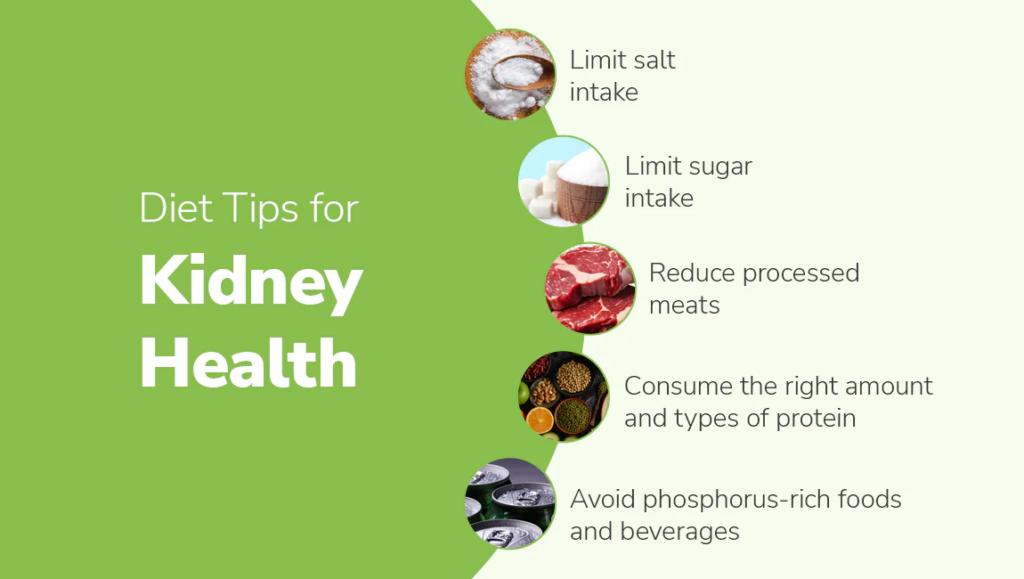
- Reduce salt intake to control blood pressure
- Limit processed and packaged foods
- Control protein intake as advised by doctors
- Avoid excessive sugar and refined carbohydrates
A well-planned diet supports healthy kidneys and lowers the risk of renal failure.
3. Control Blood Pressure
High blood pressure is one of the leading causes of kidney damage.
- Monitor blood pressure regularly
- Reduce sodium intake
- Manage stress effectively
- Follow prescribed medications if needed
Maintaining normal blood pressure is crucial for long-term renal health and kidney protection.
4. Manage Blood Sugar Levels
Diabetes is a major contributor to renal failure.
- Monitor blood sugar regularly
- Follow a diabetic-friendly diet
- Stay physically active
- Take medications as prescribed
Specialists at Malik Super Speciality Hospital stress that good blood sugar control can significantly slow kidney damage and preserve healthy kidneys.
5. Exercise Regularly
Physical activity improves circulation and overall kidney health.
- Aim for at least 30 minutes of moderate exercise daily
- Activities like walking, yoga, cycling, or swimming are beneficial
- Maintain a healthy body weight
Exercise helps prevent obesity, diabetes, and hypertension, all of which affect renal health.
6. Avoid Smoking and Limit Alcohol
Smoking reduces blood flow to the kidneys, while excessive alcohol increases toxin load.
- Quit smoking completely
- Limit alcohol consumption
- Seek professional help if needed
Avoiding these habits protects kidney health and lowers the risk of chronic renal failure.
7. Be Careful with Medications
Overuse of painkillers and self-medication can damage kidneys.
- Avoid unnecessary use of NSAIDs
- Never take medicines without medical advice
- Inform doctors about all ongoing medications
8. Manage Stress and Sleep Well
Chronic stress and poor sleep negatively affect kidney function.
- Practice meditation or relaxation techniques
- Ensure 7–8 hours of quality sleep daily
- Maintain a consistent sleep schedule
Mental well-being plays an important role in maintaining healthy kidneys and overall renal health.
9. Regular Health Check-Ups
Routine screening helps detect kidney problems early.
- Blood tests for kidney function
- Urine tests for protein or infections
- Blood pressure and blood sugar monitoring
When to Consult a Doctor
You should consult a doctor immediately if you experience:
- Persistent swelling in legs or face
- Sudden changes in urination
- Continuous fatigue or weakness
- Uncontrolled blood pressure or blood sugar
- Recurrent kidney infections
- Family history of renal failure
Early consultation with kidney specialists at Malik Super Speciality Hospital can prevent complications and improve treatment outcomes for renal health.
Conclusion
Healthy kidneys are essential for a healthy and active life. With rising cases of renal failure, adopting preventive lifestyle changes has become more important than ever. Simple habits like staying hydrated, eating a balanced diet, exercising regularly, controlling blood pressure and sugar levels, and avoiding harmful substances can significantly improve renal health.
Early awareness, timely diagnosis, and professional care play a vital role in protecting kidney health. Malik Super Speciality Hospital, recognized as the best health care super specialty hospital in hansi remains committed to providing expert care, advanced diagnostics, and patient-centered treatment for kidney-related conditions. By making conscious lifestyle choices and seeking timely medical advice, you can protect your healthy kidneys and ensure strong renal health for years to come.
FAQS
What are healthy kidneys and why are they important?
Healthy kidneys filter waste, balance fluids, control blood pressure, and support overall body functions, making them essential for good health.
What lifestyle habits help improve renal health?
Staying hydrated, eating a balanced diet, exercising regularly, managing stress, and avoiding smoking and excess alcohol support strong renal health.
What are the common symptoms of kidney problems?
Symptoms may include swelling in legs or face, fatigue, changes in urination, high blood pressure, nausea, and loss of appetite.
How does diet affect kidney health?
A low-salt, balanced diet with controlled protein intake reduces kidney strain and helps maintain healthy kidneys.
Who is at higher risk of developing kidney disease?
People with diabetes, high blood pressure, obesity, family history of kidney disease, or long-term medication use are at higher risk.
When should someone consult a doctor for kidney health?
A doctor should be consulted if symptoms persist, kidney test results are abnormal, or if there is a family history of renal disease.