- MALIK SUPER SPECIALITY HOSPITAL HANSI
- info@maliksuperspecialityhospital.com

10 Effective Tips on How to Keep Your Kidneys Healthy Naturally

🌙 Karwa Chauth & Pregnancy: Do’s and Don’ts By Dr. Rakshita
September 29, 2025
PCOD and PCOS: Causes, Symptoms, Differences and Treatment
November 4, 2025
Your kidneys are among the most vital organs in your body, responsible for filtering waste, balancing fluids, regulating blood pressure, and maintaining overall internal balance. Learning how to keep kidneys healthy is not just important for people with existing health conditions—it’s essential for everyone who wants a long, energetic, and disease-free life. In this complete guide, By Dr. Sandeep Malik from the Best Health Care Super Specialty Hospital in Hansi, we will explore how to keep kidneys healthy through simple yet powerful daily habits. These 10 ways to keep your kidney healthy are practical, evidence-based, and easy to follow for all age groups.

1. Stay Hydrated to Support Kidney Function
When discussing how to keep kidneys healthy, hydration is always the first step. Your kidneys rely on water to flush out toxins and maintain a stable internal environment. Drinking enough water helps prevent kidney stones and urinary tract infections. On average, adults should consume 2 to 3 liters of water daily, but this can vary depending on your lifestyle and climate. Always monitor the color of your urine—it should be pale yellow, not dark. This is one of the most effective ways to keep your kidney healthy naturally.
Water helps in filtering sodium and waste products from the body, reducing the risk of kidney damage. When you think about how to keep kidneys healthy, remember that dehydration can overwork your kidneys. Make it a habit to drink water regularly, not just when you’re thirsty. Carry a bottle, set reminders, and choose water over sugary beverages. Proper hydration is the foundation of kidney wellness and an essential way to keep your kidney healthy every single day.
2. Eat a Kidney-Friendly Diet
A balanced diet plays a vital role in how to keep kidneys healthy. What you eat directly affects how your kidneys function. One of the best ways to keep your kidney healthy is to eat fresh fruits, vegetables, and whole grains while reducing sodium, processed foods, and saturated fats. Too much salt increases blood pressure and puts stress on your kidneys.
When considering how to keep kidneys healthy, limit foods high in phosphorus and potassium if advised by your doctor—especially if you already have kidney concerns. Opt for foods like apples, berries, cauliflower, cabbage, and fish. A plant-based diet rich in antioxidants helps protect kidney cells from damage. Reducing red meat and increasing plant proteins like beans and lentils is also a powerful way to keep your kidney healthy for life.
3. Maintain a Healthy Weight
Maintaining an ideal body weight is one of the key answers to how to keep kidneys healthy. Obesity increases the risk of diabetes and high blood pressure, both major causes of kidney disease. Regular physical activity—such as walking, cycling, or swimming—improves blood circulation, reduces inflammation, and supports kidney function.
A healthy lifestyle is the best approach when you’re learning how to keep kidneys healthy. Combine exercise with a balanced diet, avoid overeating, and make sure to include fiber-rich foods that improve digestion and metabolism. Losing even a few extra kilograms can reduce stress on your kidneys and improve your overall health. This is a simple and effective way to keep your kidney healthy in the long run.
4. Control Blood Pressure and Blood Sugar Levels
High blood pressure and diabetes are two leading causes of chronic kidney disease. That’s why controlling these conditions is critical when learning how to keep kidneys healthy. High blood pressure damages blood vessels in the kidneys, while elevated sugar levels can lead to diabetic nephropathy.
Regularly monitoring your blood pressure and glucose levels is a practical way to keep your kidney healthy. Aim for blood pressure below 120/80 mmHg and manage your blood sugar with a proper diet and exercise. Medication prescribed by your doctor should be taken regularly. Lifestyle changes—like avoiding excess salt, managing stress, and maintaining a consistent routine—will help you in how to keep kidneys healthy effectively and naturally.
5. Avoid Overuse of Painkillers and Unnecessary Medications
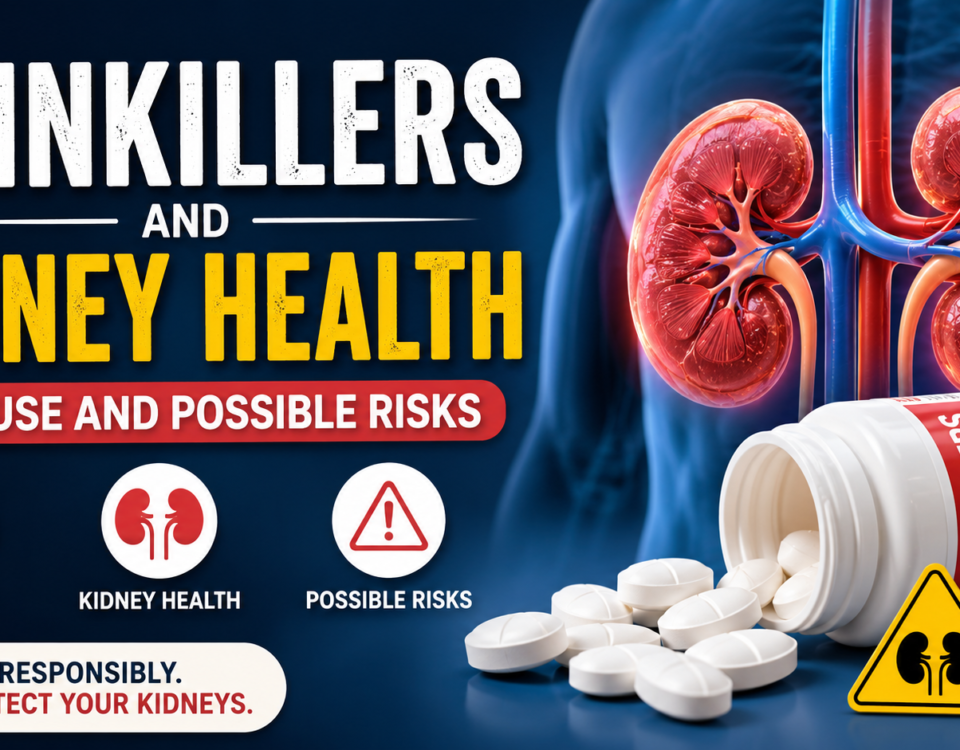
Another essential aspect of how to keep kidneys healthy is being careful with medications. Over-the-counter painkillers like ibuprofen and naproxen can damage the kidneys if taken frequently or in high doses. These drugs reduce blood flow to the kidneys, which can cause long-term harm.
To keep your kidneys functioning properly, always consult a healthcare professional before taking any medicine regularly. If you’re wondering how to keep kidneys healthy, opt for natural remedies, proper rest, or alternative pain management methods. The fewer unnecessary chemicals your kidneys need to filter, the healthier they will remain. Responsible medication use is a crucial way to keep your kidney healthy throughout your life.

6. Quit Smoking and Limit Alcohol Consumption
Smoking and excessive alcohol intake are harmful to your kidneys. Smoking slows blood flow to the kidneys and increases the risk of kidney cancer, while alcohol can cause dehydration and raise blood pressure. To truly understand how to keep kidneys healthy, it’s important to realize that these habits damage more than just your lungs and liver—they also burden your kidneys.
Quitting smoking improves circulation, reduces toxins, and enhances kidney performance. Limiting alcohol to moderate levels (or avoiding it completely) will protect your kidneys and improve overall health. If you want to live longer and feel better, this is one of the best ways to keep your kidney healthy and strong.
7. Monitor Kidney Function Regularly
Regular health checkups are essential when you’re learning how to keep kidneys healthy. Many people don’t realize they have kidney problems until it’s too late because symptoms often appear in advanced stages. Tests like serum creatinine, urine albumin, and glomerular filtration rate (GFR) help detect early signs of kidney dysfunction.
Early detection is key to prevention. When you regularly monitor your kidney function, you can take timely action through diet, medication, and lifestyle adjustments. This simple habit is one of the smartest ways to keep your kidney healthy and avoid serious diseases. Remember, prevention is always better than cure—especially when it comes to how to keep kidneys healthy.
8. Get Enough Sleep and Manage Stress
A healthy mind contributes to a healthy body, and this directly affects how to keep kidneys healthy. Sleep allows your body to repair itself, balance hormones, and regulate blood pressure—all of which support kidney function. Aim for 7–8 hours of quality sleep every night.
Stress, on the other hand, can lead to high blood pressure and inflammation, harming your kidneys over time. Practicing yoga, meditation, deep breathing, or even spending time in nature can help. These activities not only relax your mind but also contribute to your physical wellness. If you want to know how to keep kidneys healthy naturally, balancing rest and relaxation is a key part of it. Sleep and stress control are effortless yet powerful ways to keep your kidney healthy.
9. Eat Less Salt and Avoid Processed Foods
Salt is a hidden enemy when discussing how to keep kidneys healthy. Processed and packaged foods often contain excessive sodium, which increases blood pressure and causes fluid retention. Your kidneys then have to work harder to eliminate the excess, which can eventually lead to damage.
To keep your kidneys in good condition, cook fresh meals, use herbs and spices instead of salt for flavor, and read nutrition labels carefully. Avoid chips, canned soups, and fast food. Reducing salt intake is one of the simplest but most effective ways to keep your kidney healthy. This small dietary adjustment can have a massive positive effect on your overall well-being.
10. Maintain a Healthy Lifestyle Overall
When you think about how to keep kidneys healthy, it’s not just one habit but a combination of daily choices that matters. Avoiding smoking, exercising regularly, staying hydrated, and eating nutrient-rich foods all work together to protect your kidneys. Your lifestyle choices directly determine how your kidneys perform over the years.
Making conscious efforts—like managing stress, limiting alcohol, and maintaining good sleep patterns—ensures that your kidneys function smoothly. Staying positive and motivated to live healthily will help you achieve long-term results. The best way to keep your kidney healthy is to treat your body as a system where every part depends on the other. When your overall health improves, your kidneys thrive too. For expert advice and treatment, consult a General Surgeon Doctor in Hansi who can guide you with personalized care and preventive measures for long-term kidney health.
Conclusion: Protect Your Kidneys, Protect Your Life
Your kidneys silently support your body every moment, filtering waste, maintaining blood pressure, and balancing fluids. Yet, they are often neglected until problems arise. Now that you know how to keep kidneys healthy, it’s time to apply these 10 ways to keep your kidney healthy in daily life. Stay hydrated, eat clean, monitor your health, avoid harmful substances, and lead an active, balanced life. For advanced treatment and continuous monitoring, the Best Intensive Care Unit in Hansi provides exceptional medical support to ensure your kidneys and overall health remain in the best condition.
If you ever wonder how to keep kidneys healthy naturally, remember that small, consistent actions bring big results. These 10 ways to keep your kidney healthy are not temporary fixes—they are lifelong habits that ensure vitality, longevity, and strength. Prioritize your kidney health today, because a healthy kidney means a healthier, happier you.

Each of these strategies—hydration, balanced diet, weight control, medication awareness, regular checkups, and healthy lifestyle choices—are essential answers to how to keep kidneys healthy effectively. When you make these practices part of your everyday routine, you don’t just protect your kidneys—you enhance the quality of your entire life. So, start today, stay mindful, and keep your kidney healthy every single day.
FAQS
What are the best ways to keep kidneys healthy naturally?
The best ways to keep kidneys healthy naturally include drinking plenty of water, eating a balanced diet low in salt, managing blood pressure and blood sugar, avoiding smoking and alcohol, exercising regularly, and getting enough sleep.
How much water should I drink daily for healthy kidneys?
To keep your kidneys healthy, aim to drink about 2–3 liters of water per day. However, this amount can vary depending on your climate, activity level, and overall health. Always ensure your urine is light yellow, which indicates proper hydration.
Which foods are good for kidney health?
Foods that support kidney health include berries, apples, cabbage, cauliflower, olive oil, and fish rich in omega-3 fatty acids. These foods reduce inflammation and help your kidneys function efficiently.
Can exercise improve kidney health?
Yes, regular physical activity helps maintain a healthy weight, lowers blood pressure, and improves circulation — all of which are vital for kidney health. Activities like walking, swimming, or yoga are excellent for keeping kidneys healthy naturally.
What should I avoid to protect my kidneys?
To protect your kidneys, avoid smoking, excessive alcohol, processed foods high in sodium, and overuse of painkillers like ibuprofen. These habits can strain your kidneys and lead to long-term damage.
How often should I check my kidney function?
It’s recommended to check your kidney function at least once a year, especially if you have diabetes, high blood pressure, or a family history of kidney disease. Early detection through simple blood and urine tests can prevent serious kidney problems.