- MALIK SUPER SPECIALITY HOSPITAL HANSI
- info@maliksuperspecialityhospital.com

Water Intake for Kidney Patients: Complete Hydration Guide

Dialysis Procedure Step by Step: Complete Guide
May 4, 2026
Low Sodium Salt: Game Changer for Kidney Health or Just a Myth?
May 20, 2026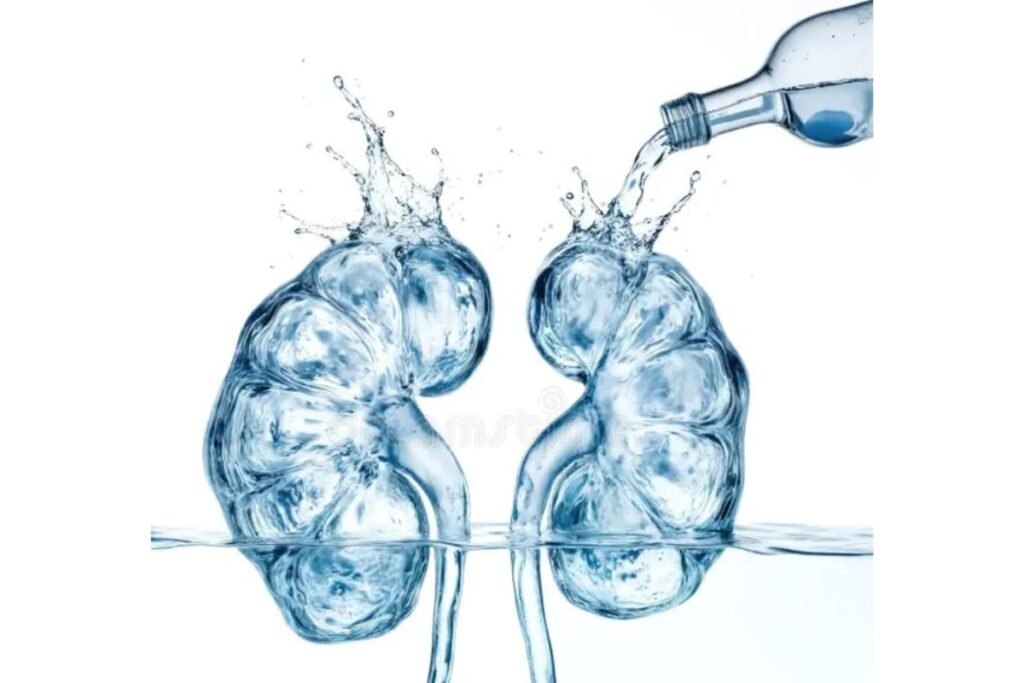
Water plays a major role in keeping the body healthy, but for people with kidney problems, drinking the right amount of water becomes even more important. Proper Water Intake for Kidney Patients can help the kidneys function better, remove waste from the body, and reduce complications related to kidney disease. However, drinking too much or too little water can both create health issues. For personalized treatment and expert hydration guidance, consulting the Best Urologist Doctor in Hansi can help patients manage kidney health safely and effectively.
This complete guide explains How Much Water Should Kidney Patients Drink, the importance of hydration, warning signs of dehydration, and practical tips for maintaining healthy fluid balance.
Why Water Is Important for Kidney Health
The kidneys are responsible for filtering waste products and extra fluids from the blood. They also help control blood pressure, balance minerals, and maintain overall body fluid levels. When water intake is not balanced, the kidneys have to work harder.
A proper Kidney Disease Hydration Guide helps patients understand how hydration affects kidney function. Water helps:
- Remove toxins through urine
- Prevent kidney stones
- Reduce urinary infections
- Maintain blood circulation
- Support healthy electrolyte balance
Healthy kidneys can adapt easily to changes in fluid intake, but damaged kidneys may struggle to manage excess or insufficient water.
Understanding Water Intake for Kidney Patients
The ideal Water Intake for Kidney Patients depends on several factors, including:
- Stage of kidney disease
- Age and body weight
- Activity level
- Climate and temperature
- Presence of swelling or high blood pressure
- Dialysis treatment
Some kidney patients need to increase water intake, while others must limit fluids carefully. This is why there is no single rule that works for everyone.
Patients with early-stage kidney disease may benefit from good hydration, while advanced kidney disease patients may need strict fluid restrictions.
How Much Water Should Kidney Patients Drink?
One of the most common questions is: How Much Water Should Kidney Patients Drink?
The answer varies depending on kidney function and medical advice. In general:
Early Kidney Disease
People with mild kidney disease are often encouraged to stay properly hydrated. Drinking moderate amounts of water may support kidney function and help prevent dehydration.
Advanced Kidney Disease
Patients with severe kidney damage may not be able to remove extra fluid properly. Excess water can lead to:
- Swelling in legs and feet
- High blood pressure
- Shortness of breath
- Fluid buildup around the lungs
Dialysis Patients
Dialysis patients usually follow strict fluid limits because their kidneys cannot remove enough water naturally.
Doctors often recommend daily fluid intake based on:
- Urine output
- Weight changes
- Blood pressure
- Sodium levels
This personalized approach is considered the safest Best Fluid Intake for Kidney Patients strategy.
Signs of Dehydration in Kidney Patients
Dehydration can be dangerous for people with kidney disease. The body needs enough water to maintain circulation and kidney filtration.
Common signs include:
- Dry mouth
- Dark-colored urine
- Dizziness
- Fatigue
- Muscle cramps
- Low urine output
- Headaches
Ignoring dehydration may worsen kidney function over time. Following a proper Kidney Disease Hydration Guide can help avoid these issues.
Risks of Drinking Too Much Water
While hydration is important, excessive water intake can also be harmful.
Too much water may cause:
- Fluid retention
- Swelling
- Heart stress
- Low sodium levels
- Difficulty breathing
People with advanced kidney disease should never force themselves to drink excessive water without medical guidance.
Managing Chronic Kidney Disease Water Intake carefully is essential for maintaining fluid balance.
Best Fluid Intake for Kidney Patients
The Best Fluid Intake for Kidney Patients is usually determined by healthcare professionals, but some healthy habits can support proper hydration.
Drink Water Throughout the Day
Instead of drinking large amounts at once, sip water gradually during the day.
Monitor Urine Color
Light yellow urine generally indicates healthy hydration.
Reduce Salty Foods
Salt increases thirst and causes water retention.
Track Daily Fluids
Some patients benefit from measuring daily water intake.
Include Water-Rich Foods
Fruits and vegetables like watermelon, cucumber, and oranges contain water naturally.
Avoid Sugary Drinks
Soft drinks and processed beverages may strain kidney health.
Water Intake and Chronic Kidney Disease
Managing Chronic Kidney Disease Water Intake becomes increasingly important as kidney disease progresses.
Stage 1–2 CKD
Hydration is usually encouraged unless other medical conditions exist.
Stage 3 CKD
Doctors may begin monitoring fluid intake more carefully.
Stage 4–5 CKD
Fluid restrictions are often necessary to prevent complications.
Because every patient is different, individualized hydration plans are the safest option.
Kidney Stones and Water Intake
Adequate hydration is one of the most effective ways to reduce the risk of kidney stones.
Low water intake causes urine to become concentrated, increasing the chances of stone formation.
For patients prone to stones, doctors may recommend higher Water Intake for Kidney Patients unless fluid restrictions are needed for another condition.
Drinking enough water helps flush minerals and waste materials from the urinary system.
Foods That Support Hydration
A balanced diet can improve hydration naturally.
Hydrating foods include:
- Watermelon
- Strawberries
- Cucumbers
- Lettuce
- Apples
- Celery
- Grapes
However, kidney patients must also monitor potassium and phosphorus levels. Always consult a healthcare provider before making major dietary changes.
This is an important part of a balanced Kidney Disease Hydration Guide.
Tips for Managing Thirst in Kidney Disease
Many kidney patients struggle with constant thirst, especially when fluid intake is restricted.
Helpful tips include:
- Sucking on ice cubes
- Rinsing the mouth with cold water
- Chewing sugar-free gum
- Limiting salty foods
- Using smaller cups
- Drinking chilled beverages slowly
These methods can help manage thirst without exceeding the recommended Best Fluid Intake for Kidney Patients.
Importance of Doctor Guidance
No online guide can replace professional medical advice. Kidney disease affects every patient differently.
Doctors may adjust Chronic Kidney Disease Water Intake recommendations based on:
- Blood test results
- Dialysis schedule
- Swelling
- Heart health
- Medication use
Patients should never dramatically increase or decrease water intake without consulting their healthcare provider.
Common Myths About Water and Kidney Disease
Myth 1: More Water Always Improves Kidney Health
Too much water can actually harm patients with advanced kidney disease.
Myth 2: Kidney Patients Should Avoid Water
Most kidney patients still need hydration, but the amount varies.
Myth 3: Clear Urine Means Perfect Health
Overhydration can also produce very clear urine.
Myth 4: Only Water Counts as Fluid
Tea, soups, milk, and fruits also contribute to fluid intake.
Understanding these facts helps create a realistic Kidney Disease Hydration Guide.
Daily Hydration Routine for Kidney Patients
Creating a routine can make fluid management easier.
Morning
Start the day with a moderate glass of water if allowed by your doctor.
Afternoon
Sip fluids steadily instead of drinking large amounts quickly.
Evening
Reduce fluid intake before bedtime if nighttime urination becomes a problem.
During Exercise
Hydration needs may increase slightly during physical activity.
Following a structured routine helps maintain healthy Water Intake for Kidney Patients.
When to Seek Medical Help
Contact a healthcare provider if you experience:
- Severe swelling
- Difficulty breathing
- Very low urine output
- Sudden weight gain
- Persistent vomiting
- Confusion or weakness
These symptoms may indicate serious fluid imbalance.
Conclusion
Proper Water Intake for Kidney Patients is essential for supporting kidney health and preventing complications. However, the right amount of water varies depending on kidney function, medical condition, and treatment plan. Consulting an experienced Laparoscopic Surgeon in Hansi can also help patients understand related kidney and urinary health concerns and receive proper medical guidance.
Understanding How Much Water Should Kidney Patients Drink helps patients maintain healthy hydration without overloading the kidneys. A personalized Kidney Disease Hydration Guide can reduce risks related to dehydration and fluid overload.
The Best Fluid Intake for Kidney Patients should always be based on medical advice, especially for people managing Chronic Kidney Disease Water Intake restrictions.
Balanced hydration, healthy eating habits, and regular medical monitoring can all contribute to better kidney health and improved quality of life.