- MALIK SUPER SPECIALITY HOSPITAL HANSI
- info@maliksuperspecialityhospital.com

Pregnancy and Blood Spotting: Understanding What’s Normal and What’s Not

Understanding Acute Kidney Injury Symptoms: From Early Signs to Serious Complications
January 9, 2026
Everything You Need to Know About Kidney Transplant: Procedure, Advantages, Risks, and Recovery
February 10, 2026
Pregnancy is a time of immense physical and emotional change. As the body adapts to support a growing baby, many women notice symptoms they have never experienced before. One such symptom that often causes anxiety is pregnancy and blood spotting. Even a small amount of blood can be frightening for an expectant mother, especially when she is unsure whether it is normal or a sign of something serious.
Spotting during pregnancy is relatively common and does not always indicate a complication. However, it is essential to understand the difference between normal spotting and abnormal bleeding during pregnancy. Knowing what to expect, what causes spotting, and when to seek medical attention can help reduce fear and ensure timely care. At Malik Super Specialty Hospital, patients receive expert guidance from the best gynaecologist & obstetrician doctor in hansi ensuring accurate diagnosis and compassionate pregnancy care.
This article explains pregnancy and blood spotting in detail, helping you understand what is normal, what is not, and how doctors evaluate vaginal spotting during pregnancy under the supervision of experienced specialists at Malik Super Specialty Hospital.
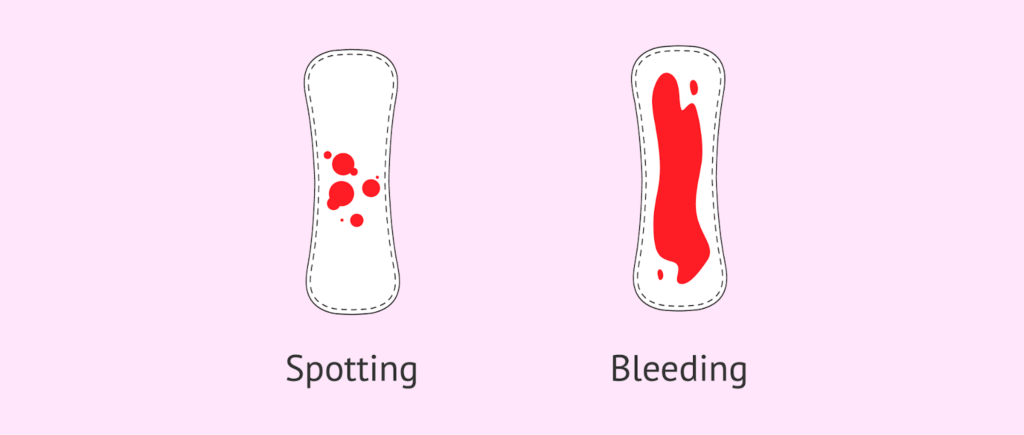
What Is the Difference Between Vaginal Bleeding and Spotting?
Understanding the difference between vaginal bleeding and spotting is the first step in evaluating whether symptoms are concerning.
Spotting during pregnancy refers to:
- Light blood discharge
- Pink, red, or brown stains on underwear
- Blood visible only when wiping
- Minimal flow that does not soak a pad
Vaginal bleeding during pregnancy, on the other hand, is:
- Heavier than spotting
- Similar to or heavier than a menstrual period
- Bright red in color
- Accompanied by clots or tissue
- Often associated with pain or cramping
The key difference lies in the amount of blood and accompanying symptoms. While spotting is usually light and brief, bleeding during pregnancy may require immediate medical evaluation.
It is important to remember that pregnancy and blood spotting can occur at different stages and for different reasons, many of which are harmless.
What Causes Spotting During Pregnancy?
There are several reasons why spotting during pregnancy may occur. Some causes are completely normal, while others need medical attention depending on severity and timing.
Common and Usually Normal Causes
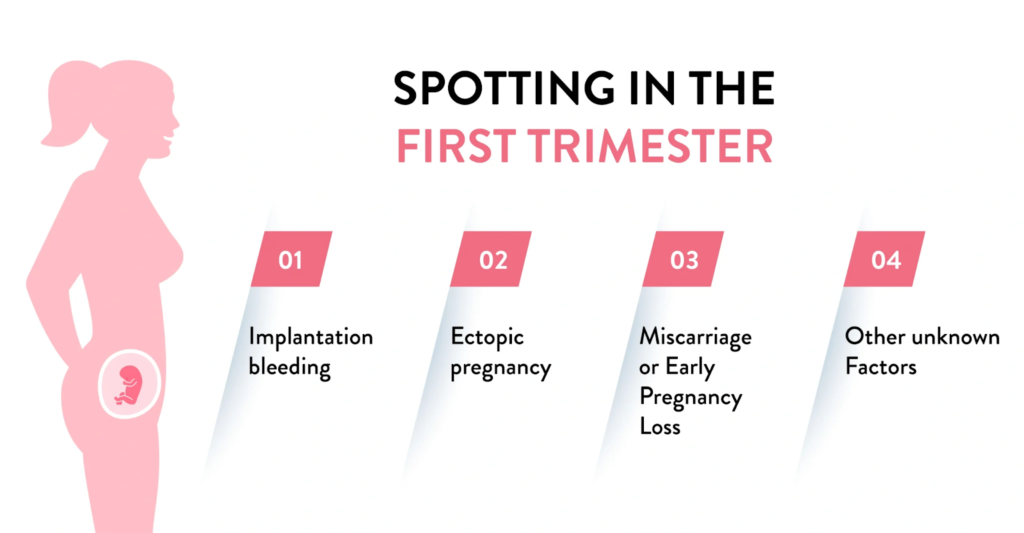
Implantation bleeding
- Occurs when the fertilized egg attaches to the uterine lining
- Usually happens early in pregnancy
- Light spotting lasting one to two days
- Often mistaken for a light period
Hormonal changes
- Pregnancy hormones increase blood flow to the cervix
- Makes the cervix more sensitive and prone to bleeding
- Can cause mild vaginal spotting in pregnancy
After sexual intercourse
- Increased cervical sensitivity may lead to light bleeding
- Typically harmless if not accompanied by pain
Pelvic examination
- A routine pelvic or cervical exam can irritate blood vessels
- Mild spotting afterward is common
Causes That May Need Medical Attention
Cervical infections
- Infections can irritate cervical tissues
- May cause spotting, discharge, or discomfort
Subchorionic hemorrhage
- Small collection of blood between the placenta and uterine wall
- Often resolves on its own
- Needs monitoring through ultrasound
Miscarriage
- More likely when bleeding is heavy and painful
- Often accompanied by cramping or back pain
Ectopic pregnancy
- Occurs when pregnancy develops outside the uterus
- Causes spotting, sharp pain, and dizziness
- Requires urgent medical care
Placental problems
- Placenta previa or placental abruption
- Usually occur later in pregnancy
- Can cause bleeding during pregnancy that needs immediate attention
Understanding these causes helps distinguish normal pregnancy and blood spotting from conditions that require medical evaluation.
What Are the Signs of Spotting During Pregnancy?
Recognizing the signs of spotting during pregnancy can help determine whether the situation is likely normal or concerning.
Common signs include:
- Light pink, red, or brown discharge
- Small spots of blood on underwear
- Blood noticed only when wiping
- No need for sanitary pads
- No severe pain or cramping
Spotting may also be accompanied by:
- Mild pelvic discomfort
- A feeling of pressure in the lower abdomen
- Increased vaginal discharge
Normal vaginal spotting in pregnancy is usually painless and short-lived. It often stops on its own without any intervention.
However, if spotting turns into bleeding during pregnancy, medical advice should be sought promptly.
When Should I Worry About Spotting During Pregnancy?
While pregnancy and blood spotting are not always dangerous, certain signs indicate that medical attention is necessary.
You should contact your doctor immediately if you experience:
- Heavy bleeding similar to a menstrual period
- Bright red blood that continues or increases
- Severe abdominal or pelvic pain
- Pain on one side of the abdomen
- Fever or chills
- Dizziness or fainting
- Passage of clots or tissue
Spotting during pregnancy should never be ignored if it is accompanied by pain or other symptoms.
Spotting in the first trimester may be common, but spotting later in pregnancy often requires closer monitoring. Bleeding during pregnancy in the second or third trimester is more concerning and should always be evaluated by a specialist. At Malik Super Specialty Hospital Hansi, patients receive the best health care hospital in hansi with timely assessment, advanced diagnostic facilities, and expert medical supervision to ensure the safety of both mother and baby throughout pregnancy.
Trust your instincts. If something feels wrong, it is always better to seek medical advice.
How Will Your Doctor Diagnose Spotting?
When you report vaginal spotting in pregnancy, your doctor will take a careful and systematic approach to identify the cause.
Medical History
Your doctor may ask about:
- When the spotting started
- Color and amount of blood
- Presence of pain or cramping
- Previous pregnancies or miscarriages
- Recent sexual activity or examinations
Physical Examination
A gentle pelvic exam may be performed to:
- Check the cervix
- Look for infections or irritation
- Assess any visible bleeding source
Ultrasound Examination
Ultrasound helps:
- Confirm the location of the pregnancy
- Check fetal heartbeat
- Identify placental position
- Detect subchorionic bleeding
Blood Tests
Blood tests may be used to:
- Measure pregnancy hormone levels
- Identify infections
- Determine blood type if bleeding is significant
Accurate diagnosis is essential to ensure the safety of both mother and baby. In many cases, reassurance and observation are all that is needed.
Managing Spotting During Pregnancy
Treatment for spotting during pregnancy depends entirely on the underlying cause.
In many cases, doctors may recommend:
- Rest and reduced physical activity
- Avoiding sexual intercourse temporarily
- Monitoring symptoms closely
- Follow-up ultrasounds if needed
If an infection is present, appropriate medication may be prescribed. In cases involving placental or pregnancy complications, specialized care and close monitoring are required.
Never self-medicate or ignore persistent symptoms. Proper medical guidance ensures the best outcome.
Emotional Impact of Pregnancy and Blood Spotting
Experiencing pregnancy and blood spotting can be emotionally distressing. Anxiety, fear, and uncertainty are common reactions.
It is important to remember:
- Many women experience spotting and go on to have healthy pregnancies
- Stress does not help the situation
- Open communication with healthcare providers is essential
- Emotional support from family is valuable
Taking care of mental well-being is just as important as physical health during pregnancy.

Conclusion
Pregnancy and blood spotting can be alarming, but it is not always a sign of danger. Spotting during pregnancy is relatively common, especially in the early stages, and often resolves without complications. Understanding the difference between light spotting and serious bleeding during pregnancy empowers expectant mothers to respond appropriately.
The key is awareness. Knowing the causes, recognizing warning signs, and seeking medical advice when necessary can make a significant difference. Never hesitate to consult your doctor if you are unsure. Early evaluation provides reassurance, ensures timely treatment, and supports a healthy pregnancy journey.
Every pregnancy is unique. Staying informed, attentive, and proactive helps protect both mother and baby while navigating the beautiful yet complex experience of pregnancy.
FAQS
Is blood spotting normal during pregnancy?
Yes, spotting during pregnancy can be normal, especially in early pregnancy. Light spotting without pain is often harmless, but it should always be monitored.
What is the main difference between spotting and bleeding during pregnancy?
Spotting is light and does not soak a pad, while bleeding during pregnancy is heavier, continuous, and may be associated with pain or clots.
Can spotting happen after intercourse during pregnancy?
Yes, increased blood flow to the cervix can cause vaginal spotting in pregnancy after intercourse, and it is usually not dangerous.
When should spotting during pregnancy be a concern?
Spotting becomes concerning if it is heavy, bright red, persistent, or accompanied by pain, fever, dizziness, or cramps.
How do doctors check the cause of pregnancy and blood spotting?
Doctors may perform a medical history review, physical examination, ultrasound, and blood tests to identify the cause of spotting.
Can pregnancy and blood spotting affect the baby?
In most cases, mild spotting does not affect the baby. However, serious bleeding during pregnancy requires immediate medical evaluation to ensure safety.